The Ideal Team Player
How to Recognize and Cultivate the Three Essential Virtues : a Leadership Fable
What's it about
Tired of teamwork troubles and projects derailed by difficult personalities? Discover the simple, yet powerful, framework for identifying, hiring, and developing the people who will transform your team's performance and culture. This is your guide to building a truly collaborative and successful organization. You'll learn Patrick Lencioni's secret formula of the three essential virtues every ideal team player must possess: being humble, hungry, and smart. Uncover practical tools to assess current employees and interview candidates, and learn how to cultivate these game-changing traits within your entire team to finally eliminate dysfunction and achieve your goals.
Meet the author
Patrick Lencioni is the founder and president of The Table Group, a firm dedicated to making organizations healthier by improving teamwork, clarity, and employee engagement. A pioneer of the organizational health movement, his personal experiences with dysfunctional teams inspired him to explore what truly makes them work. Lencioni's work is born from two decades of consulting with executives and their teams, transforming complex business challenges into simple, actionable models that resonate with leaders everywhere, as perfectly illustrated in this leadership fable.
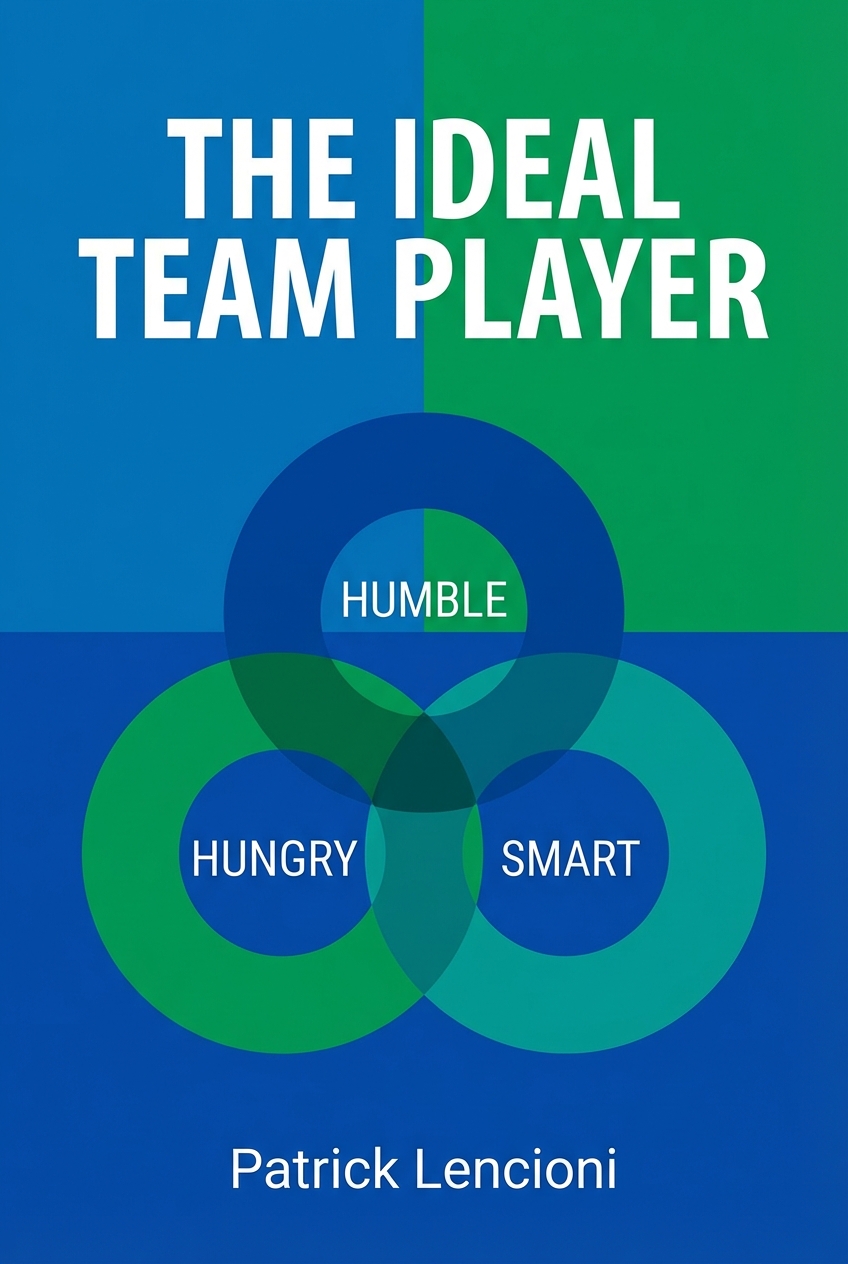
The Script
The local hardware store owner felt a familiar sense of dread. He had just hired a new manager, a man with a stellar resume and a knack for hitting sales targets. On paper, he was perfect. In reality, chaos followed him like a shadow. He was brilliant and driven, but he left a trail of bruised egos and fractured relationships. Projects got done, but the cost was a team that was slowly, quietly falling apart. The owner had seen this movie before: the talented individual who acts like a wrecking ball, the well-intentioned person who can't keep up, the charming colleague who contributes nothing of substance. He realized he didn't have a hiring problem; he had a language problem. He lacked a clear, simple way to identify and describe the kind of person who not only performs their job but makes everyone around them better.
This exact frustration is what drove consultant and author Patrick Lencioni to write this book. After years of helping organizations build cohesive leadership teams, he noticed a recurring pattern. His most successful clients were populated by a specific type of person. Frustrated by the vague and often unhelpful advice on 'hiring for culture fit,' Lencioni set out to codify the essential, non-negotiable virtues that make someone a true team player. He wanted to give leaders a practical framework to diagnose, hire, and cultivate the people who form the very foundation of a healthy organization. The result was a simple, powerful model centered on three core virtues: Humble, Hungry, and Smart.
Module 1: The Three Virtues of the Ideal Team Player
Lencioni's entire framework rests on a simple but powerful idea. The best team members are defined by the presence of three core virtues. These virtues are Humble, Hungry, and Smart. Think of them like speed, strength, and coordination in an athlete. When you have them, everything else in teamwork becomes easier.
So what's the first virtue? The most indispensable attribute of a team player is humility. True humility is about a lack of excessive ego. Humble people are quick to share credit. They are slow to seek attention. They define success collectively. Lencioni illustrates this with the story of Bob, the founder of the construction company in the book's fable. Bob treated a wealthy client and an unskilled day laborer with the exact same level of genuine respect. He had no pretense. This lack of ego is the bedrock of trust on a team.
Next, ideal team players are hungry, possessing a strong, healthy drive to contribute. Hungry people are self-motivated. They are always looking for more to do, more to learn, and more responsibility. You rarely have to push them to work harder because they have an internal fire. They feel a personal sense of ownership for the team's success. In the book, the leadership team analyzes a former employee named Tommy. He was pleasant and smart, but he lacked hunger. He did exactly what was asked, and nothing more. His passion was for softball and fishing, not his work. This lack of drive made him an unreliable teammate, despite his good nature.
Finally, we arrive at the third virtue. An ideal team player is smart, which refers to having good common sense about people. This is about interpersonal awareness. Smart people understand group dynamics. They know the impact of their words and actions. They ask good questions, listen intently, and know how to navigate conversations without causing unnecessary friction. The book gives the example of Nancy, a project manager who was technically brilliant. She was humble and hungry. But she was not smart about people. Her abrasive communication style and social cluelessness created a toxic environment, driving away good employees and jeopardizing projects. She wasn't malicious. She just lacked the common sense to interact effectively.