Audiobook
summaries that
actually stick
Master any book in 15 minutes. Even the ones we have not added yet.
Why VoxBrief?
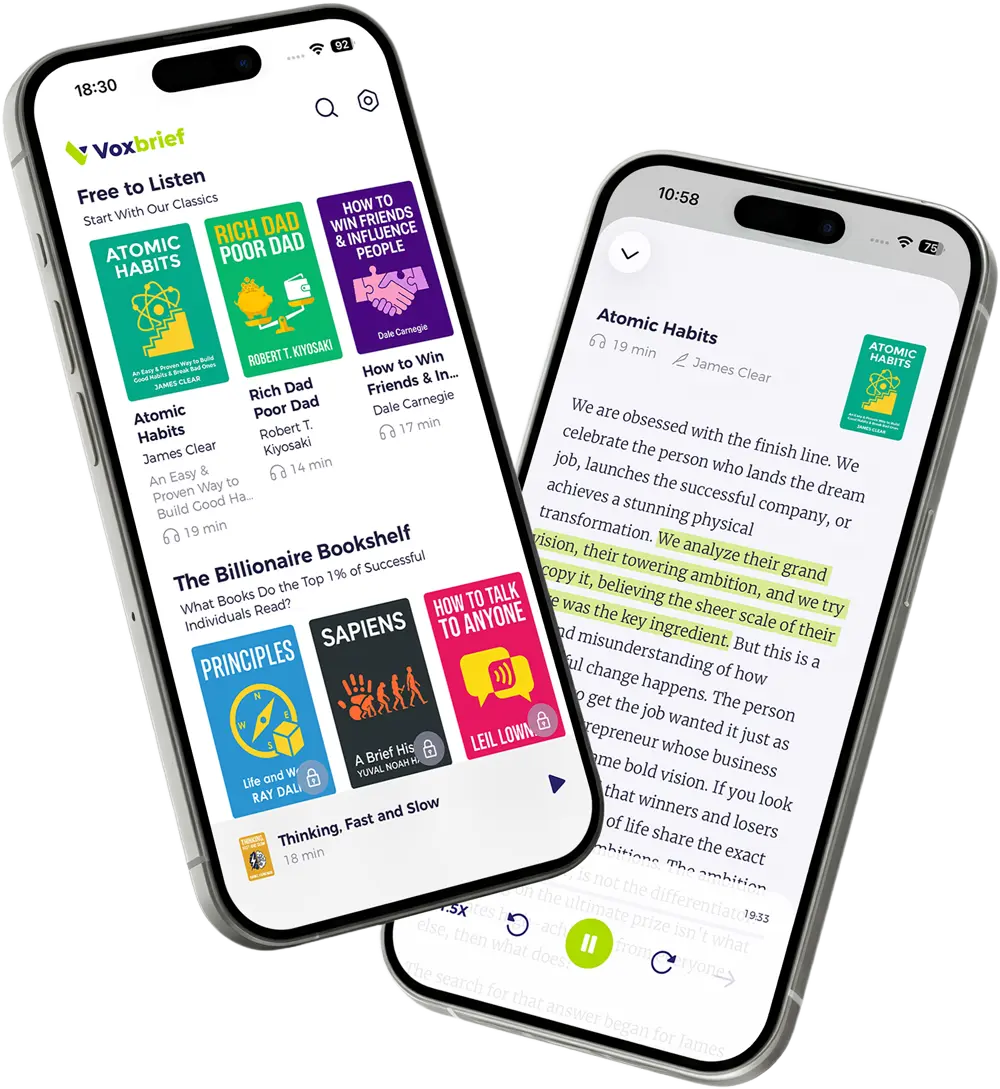
Forget robotic summaries. Voxbrief provides deep audio walkthroughs designed to make ideas stick and change what you do.
Structured for Retention
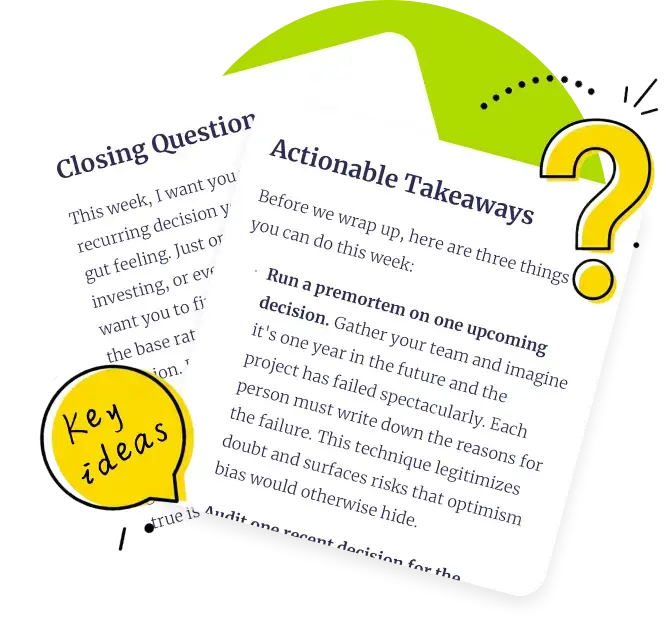
Each Voxbrief has intro, key ideas, practical takeaways, and a closing question so you remember what matters.
Wish for a book, hear it soon
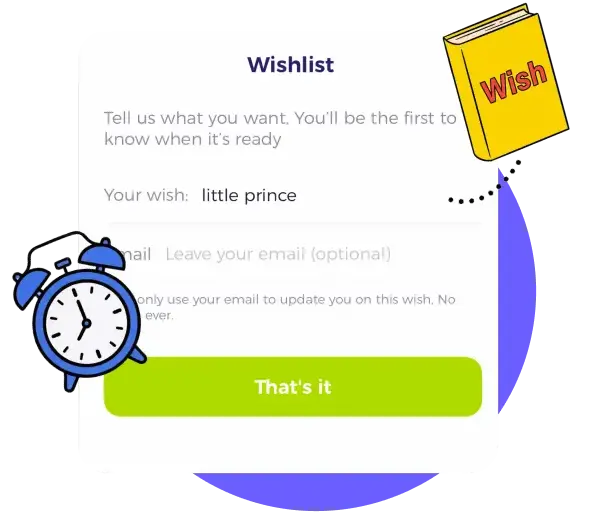
Can't find a title? Add it to wishlist and we prioritize generating it, often as soon as next day.
Read and listen together
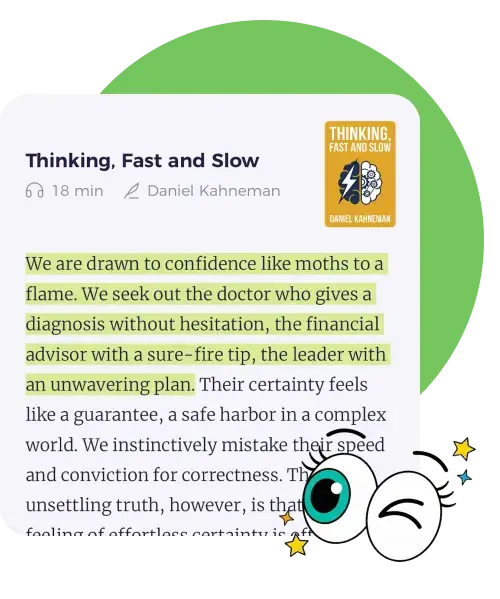
Synced text highlights in real time so you can listen, skim, and jump across sections without losing context.
Start in seconds
No account creation and no setup friction. Download, open, and start learning immediately.
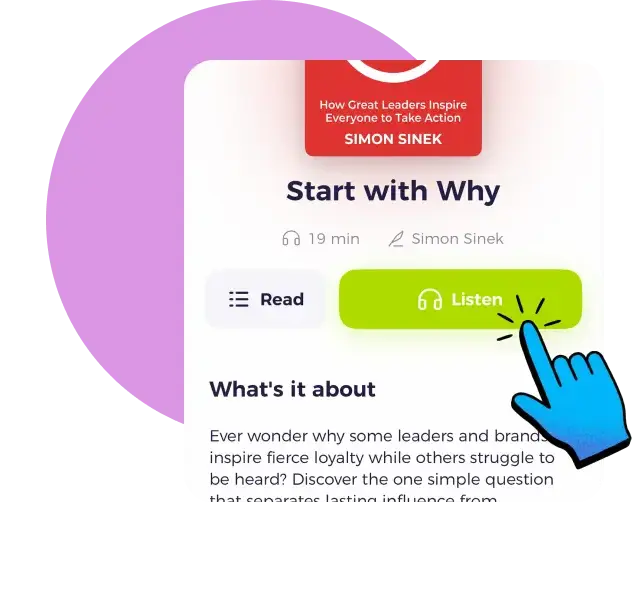
Try a summary now
Experience how we turn bestsellers into deep, structured audio walkthroughs.
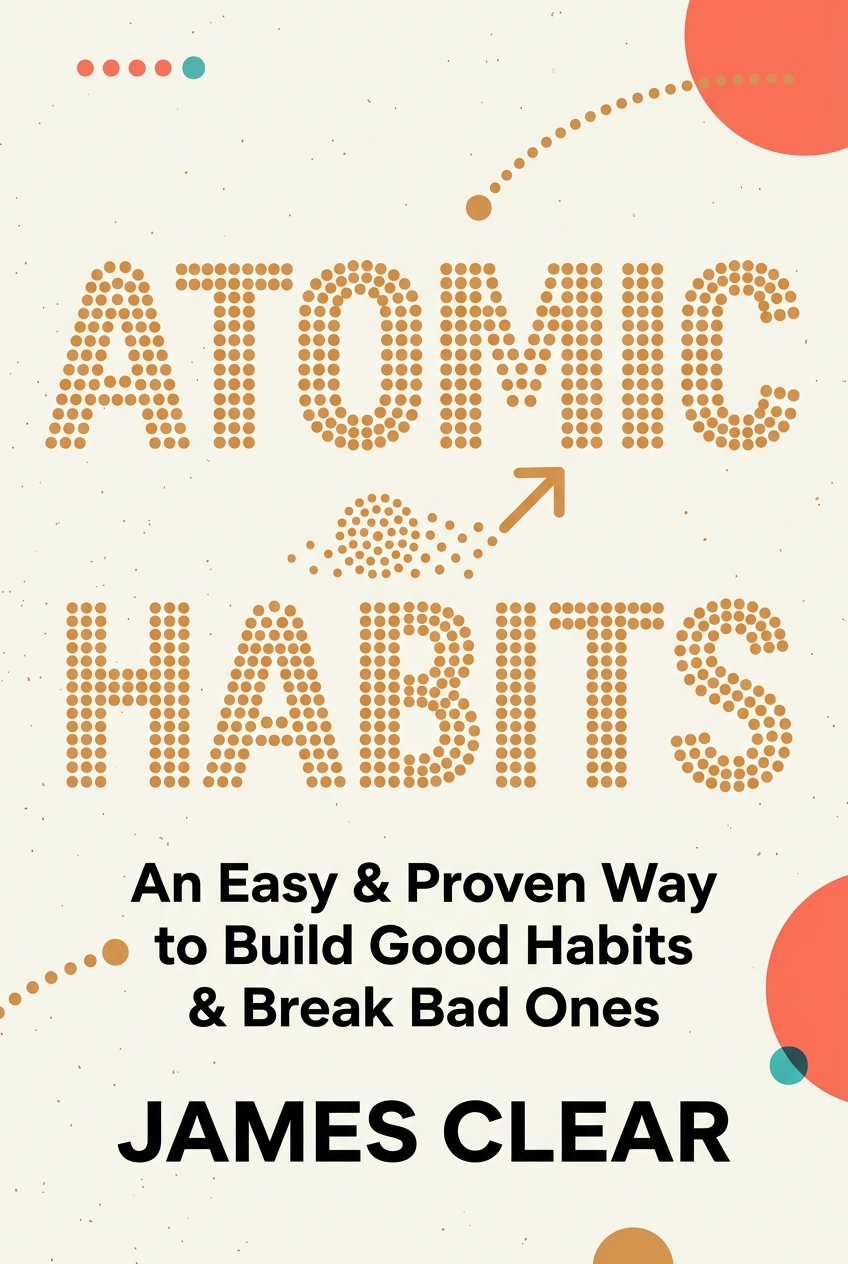
Atomic Habits
We pay a lot of attention to big outcomes. Someone gets the job they wanted, builds a successful business, gets healthier, or becomes exceptionally good at a skill. From the outside, it is easy to explain these results by pointing to motivation or ambition. But that explanation misses something important. The person who did not get the job may have wanted it just as badly. The business that failed may have started with a serious plan. Winners and losers often share similar goals. What separates them is usually not the goal itself, but the small actions they repeat when no one is watching.
James Clear, the author of Atomic Habits, came to this idea through his own recovery journey. In high school, he was hit by a baseball bat during an accident. His plans as an athlete were suddenly interrupted, and his recovery was slow and frustrating. He had to focus on small steps: walking again, sleeping well, showing up to practice, and rebuilding one routine at a time. Those small actions eventually helped him return to sports and become a successful college baseball player.
Clear later began writing about habits on his website, where his practical approach to small improvements attracted a large audience. Atomic Habits grew out of that work. The book illustrates that lasting change rarely comes from one dramatic decision. Instead, it comes from the systems we repeat every day: the cues that start a behavior, the routines we practice, the rewards that keep us going, and the kind of person we slowly become through action.
Module 1: The Fundamentals of 1% Improvement
We often think progress requires a massive, heroic effort. We chase quantum leaps. We look for the one breakthrough that will change everything. But this mindset is flawed. James Clear argues that real, lasting change comes from a different source. It comes from the aggregation of marginal gains. Focus on 1% daily improvements.
Think about the British Cycling team. For a century, they were mediocre. But then they hired Dave Brailsford. He introduced a new philosophy. He called it "the aggregation of marginal gains." The team looked for a 1% improvement in everything they did. They redesigned bike seats for more comfort. They tested fabrics in a wind tunnel. They even painted the inside of the team truck white. This helped them spot dust that could compromise finely tuned bikes.
Individually, these changes seemed trivial. But together, they compounded. Within a few years, the team dominated the Olympics and the Tour de France. This is the math of atomic habits. A 1% improvement each day means you end up 37 times better after a year. A 1% decline each day leaves you near zero. Your habits are the compound interest of self-improvement.
But here's the catch. In the beginning, this progress is invisible. Clear calls this the Plateau of Latent Potential. Imagine an ice cube in a cold room. You slowly raise the temperature. 26 degrees. 28. 31. Nothing happens. Then, at 32 degrees, it begins to melt. The change wasn't sudden. It was the result of all the accumulated energy. Habits work the same way. You have to persist through the "Valley of Disappointment" until you hit that breakthrough point.
This brings us to a critical distinction. We need to build systems. Goals are about the results you want to achieve. Systems are about the processes that lead to those results. A goal is to win a championship. A system is how your team recruits, practices, and prepares. A goal is to write a book. A system is your daily writing schedule. Winners and losers often have the same goals. What separates them is their system. You don't rise to the level of your goals. You fall to the level of your systems.
So, where do you start building a system? It begins with the deepest layer of behavior change. It begins with your identity. Clear identifies three layers of change. There are outcomes, which are your results. There are processes, which are your actions. And there is identity, which is what you believe about yourself. Most people start by trying to change their outcomes. This is backward. The most sustainable way to change is to focus on your identity. Change your identity to change your habits.
Don't aim to "run a marathon." Aim to "become a runner." Don't try to "write a book." Try to "become a writer." When your behavior is in conflict with your identity, it won't last. You can force yourself to go to the gym for a week. But if you don't see yourself as a healthy person, you'll eventually stop.
And here's the thing. Your identity isn't fixed. It emerges from your habits. Every action you take is a vote for the person you wish to become. Each time you go for a run, you cast a vote for "I am a runner." Each time you write a page, you cast a vote for "I am a writer." The goal is to cast more votes for your desired identity than against it. This is how you build a new self-image, one small habit at a time.
Built for people who want to understand
not just skim

The Busy Professional
who needs ideas they can use
Turn commute and break time into focused learning with structured insights you can apply immediately.

The Curious Mind
who likes choosing what comes next
Use wishlist to request exactly what you want to learn and shape the upcoming content library.

The Deep Diver
who wants guided understanding
Use summaries as high-quality previews before committing full reading time to a long book.
Popular Summaries
Curated book collections chosen by readers worldwide
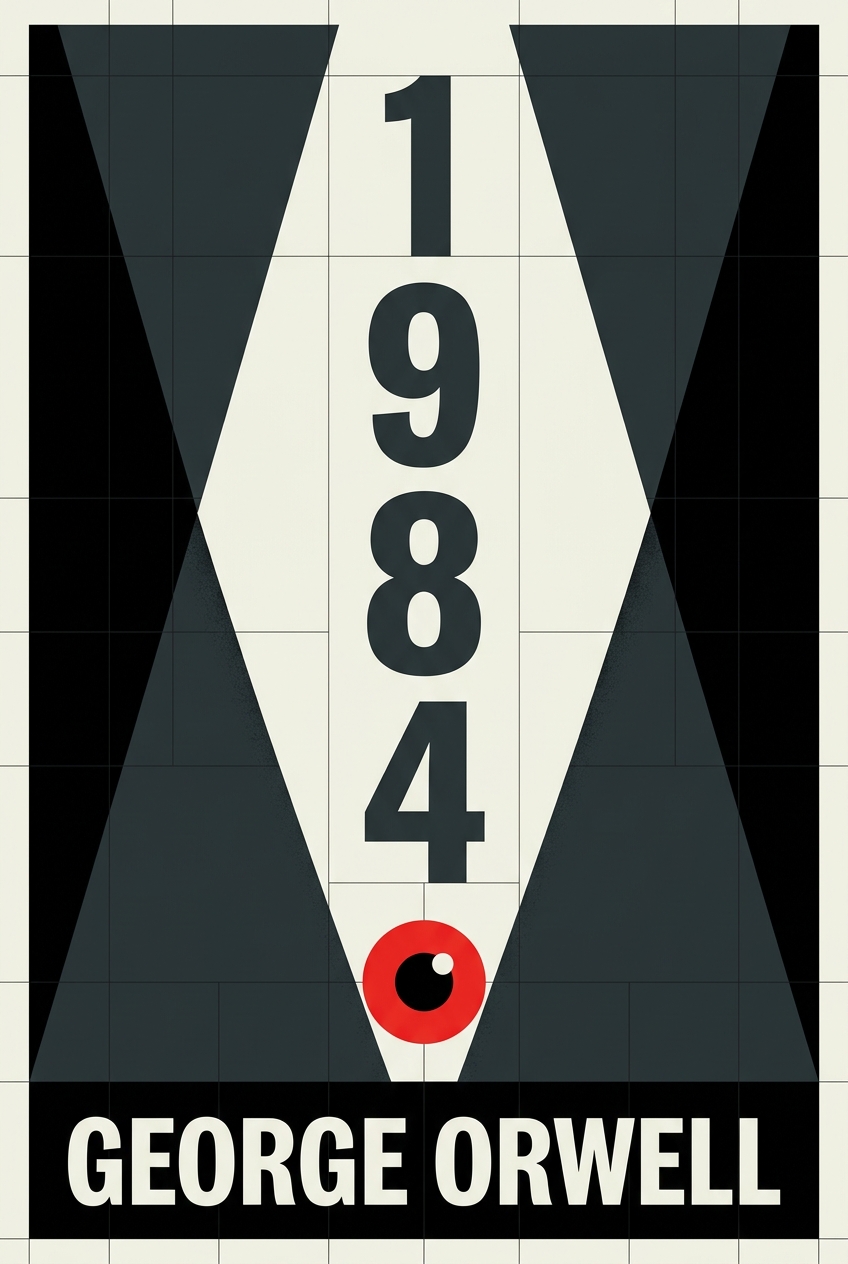
Best Books of All Time
Curated by Time, Cherished by Generations
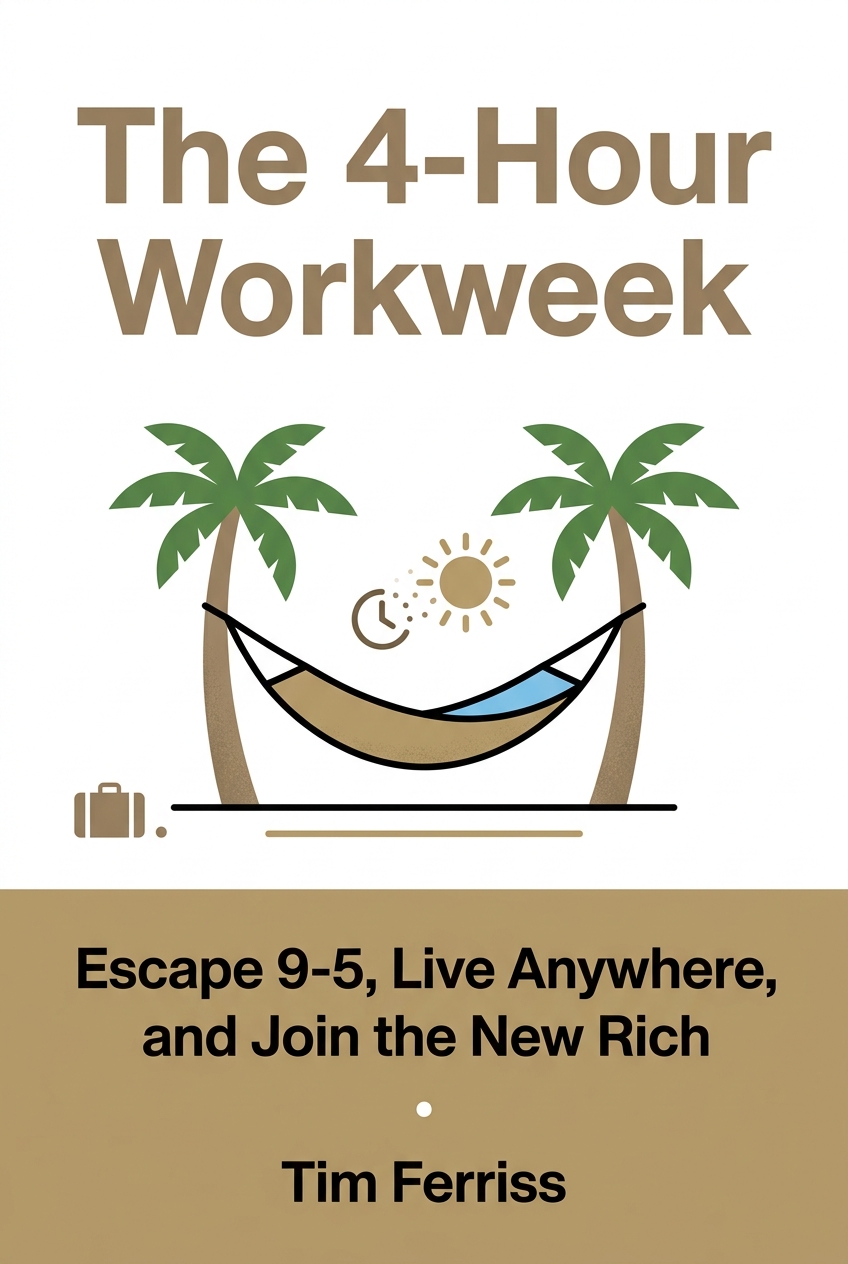
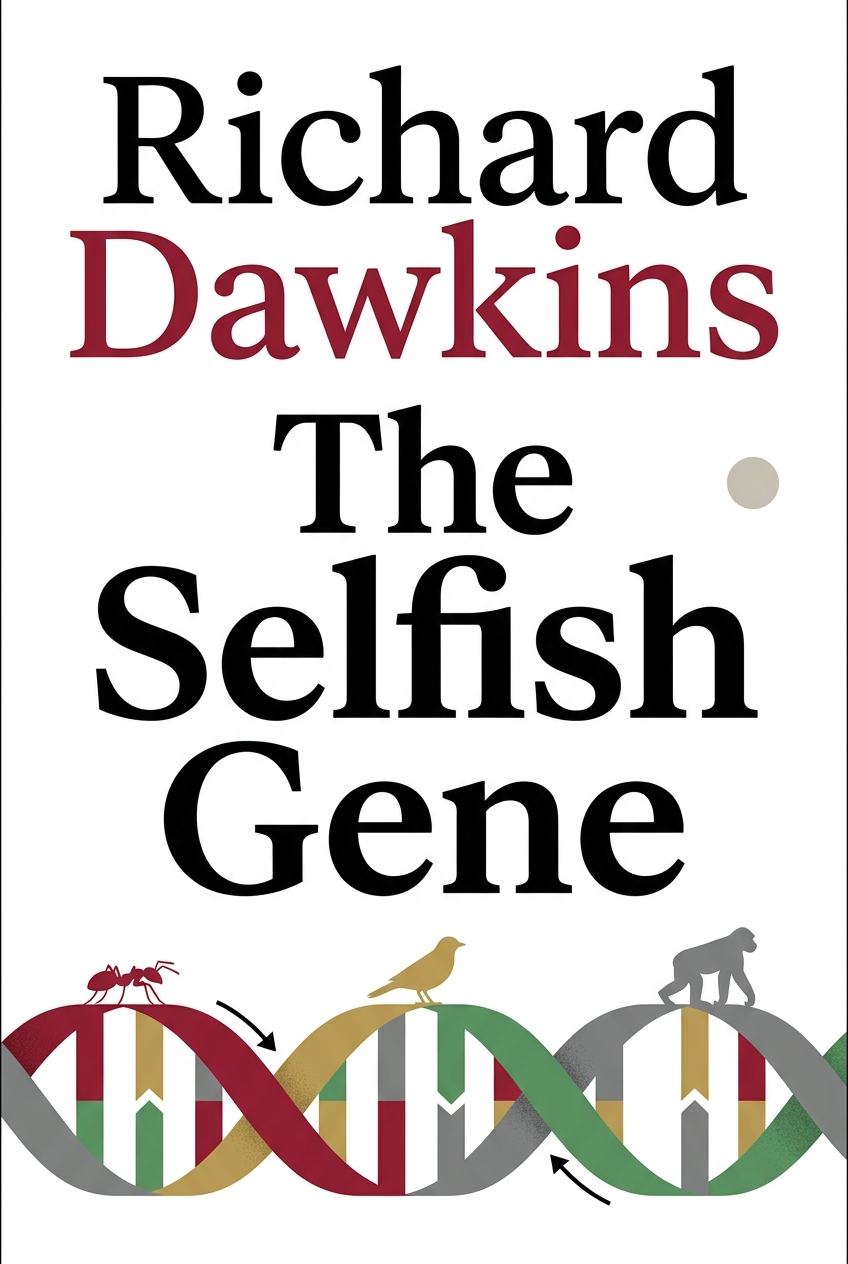
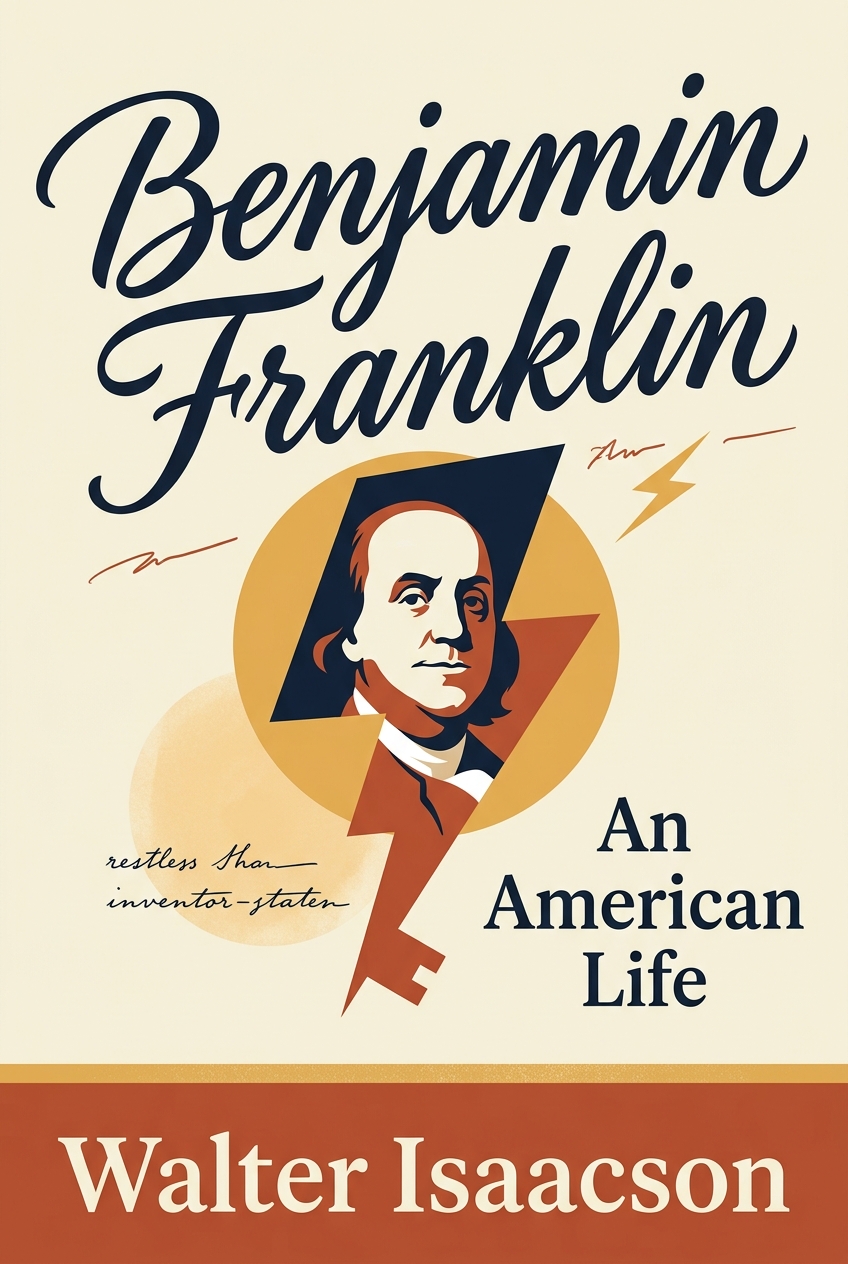
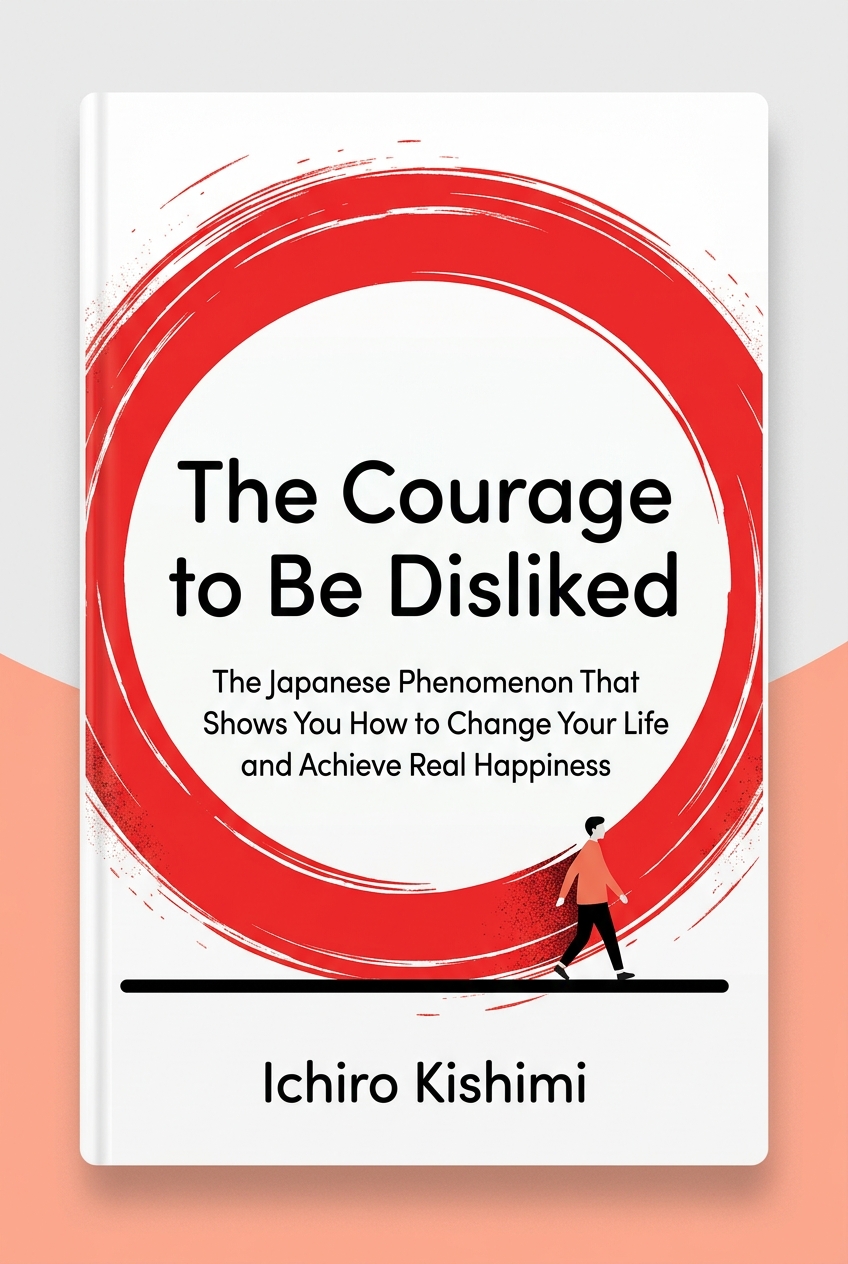


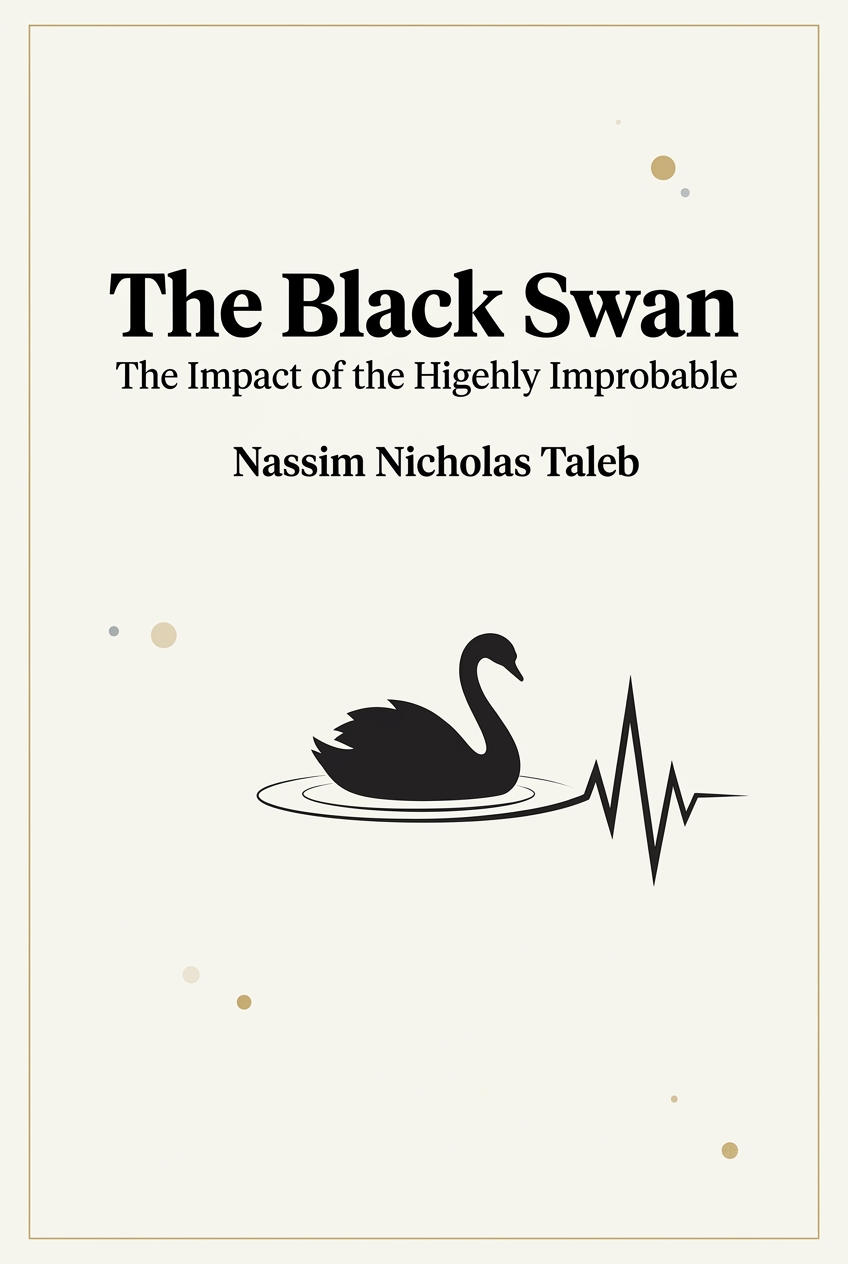
The Billionaire Bookshelf
What Books Do the Top 1% of Successful Individuals Read?
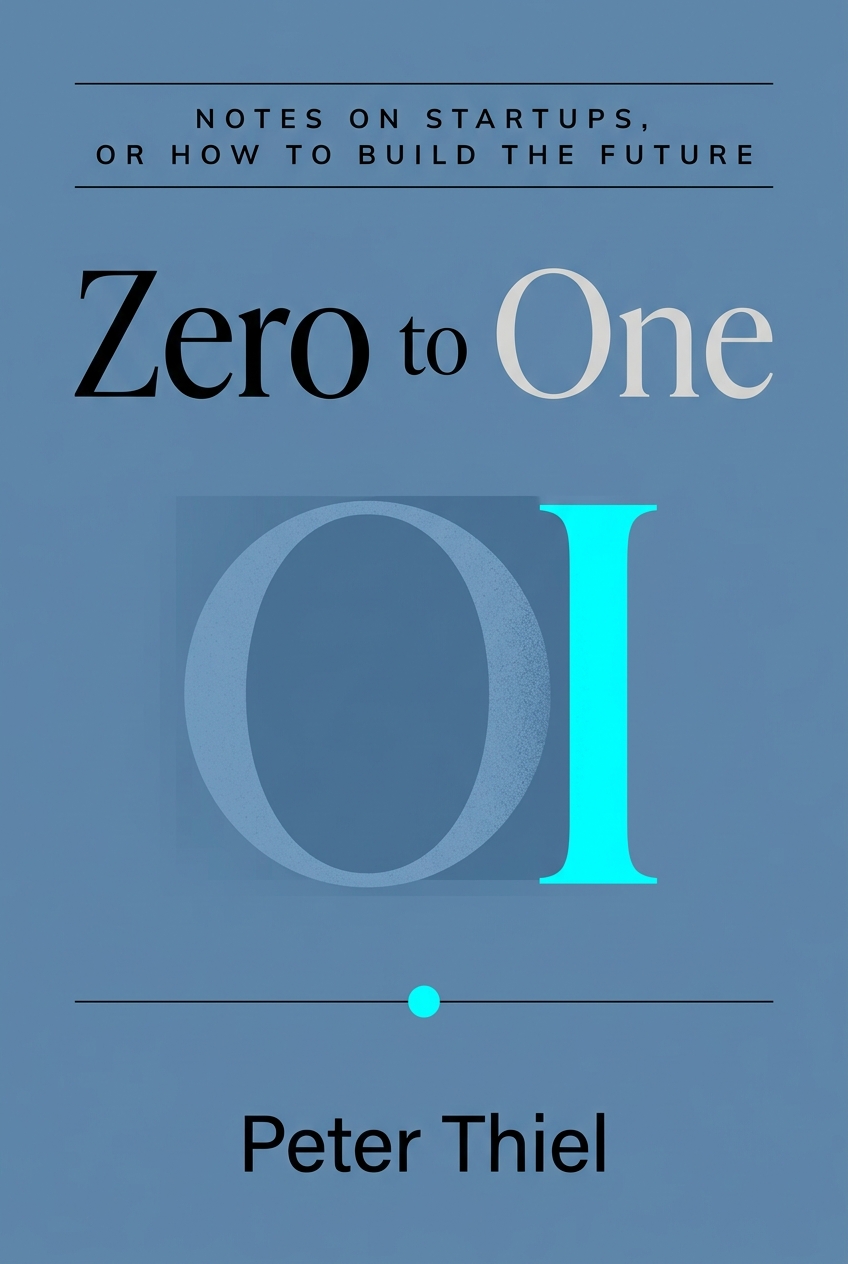
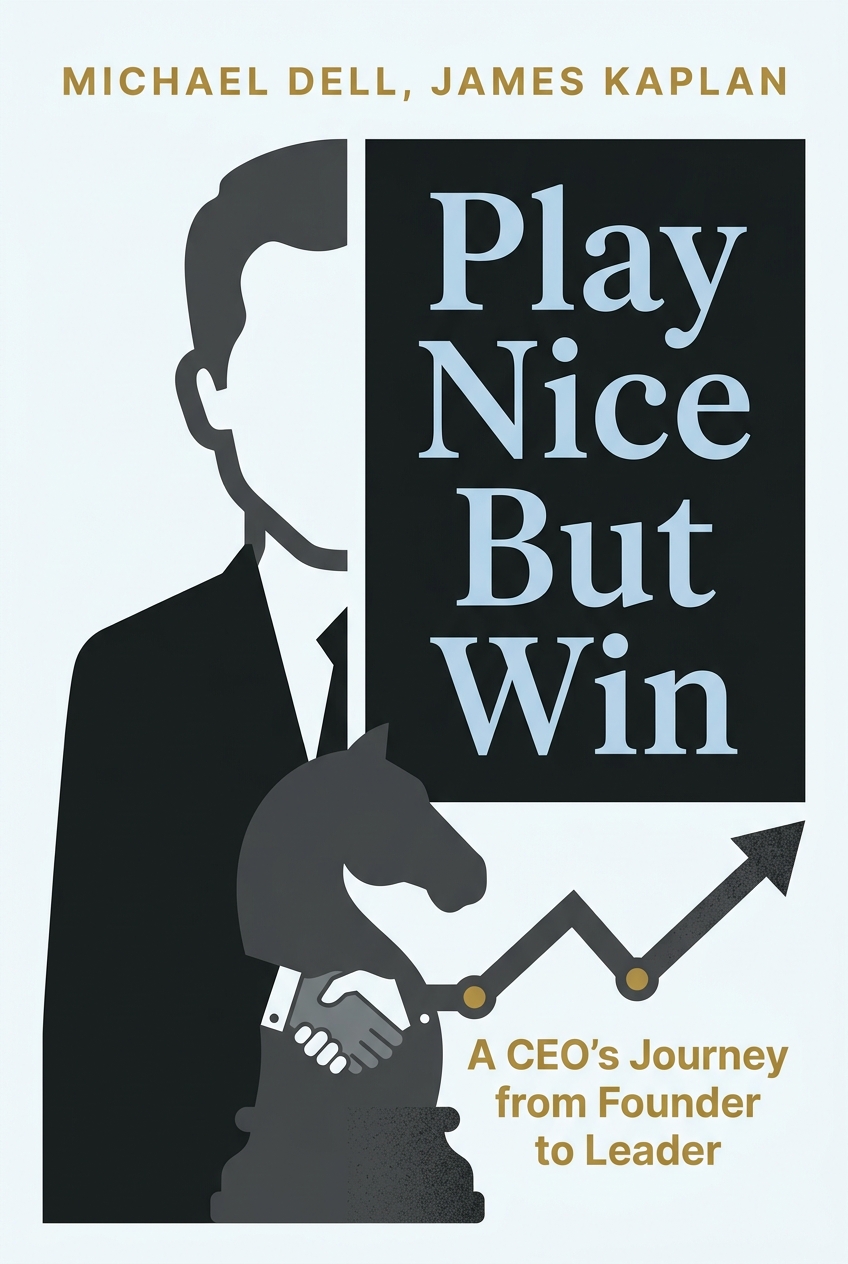
Frequently asked questions
Voxbrief is a mobile app that gives you deep, structured audio summaries of nonfiction books. Each brief has an intro, 3–5 key ideas, a conclusion, actionable takeaways, and a closing question to spark your own thinking.
Most apps offer a fixed catalog and superficial skims. VoxBrief offers an unlimited scope via our Request feature (if we don't have it, we make it) and focuses on active learning through synced text and structured outlines, ensuring you actually understand the concepts.
Yes. There is a regularly updated Free section with full Voxbriefs you can listen to without paying. You can also listen to the first module—audio and text—of every paid book, free.
Zero traps. We keep it simple. Choose the plan that works for you — $59.99 for a full year of unlimited access, or $8.99 for a single month. Choose auto-renewal for uninterrupted access, or one-time purchase — whichever suits you best.
If you can't find a book, you can add it to your wish list. We prioritize requested titles and work to publish a Voxbrief as quickly as possible—often as soon as the next day—and notify you when it's ready.
While you listen, the text highlights in real time, so you can see exactly which part of the explanation you are on. You can jump to specific sections—like a key idea, the conclusion, or the actionable takeaways—and quickly reread what matters.
Voxbrief is ideal for busy professionals and serious learners who want more than a superficial summary. It's also great if you like using summaries as a deep preview before deciding which full books to read or listen to.
Voxbrief is currently available on iPhone via the iOS App Store and on Android via Google Play. You can search "Voxbrief" on the App Store or Google Play, or tap "Get the app" on this website to download it.
