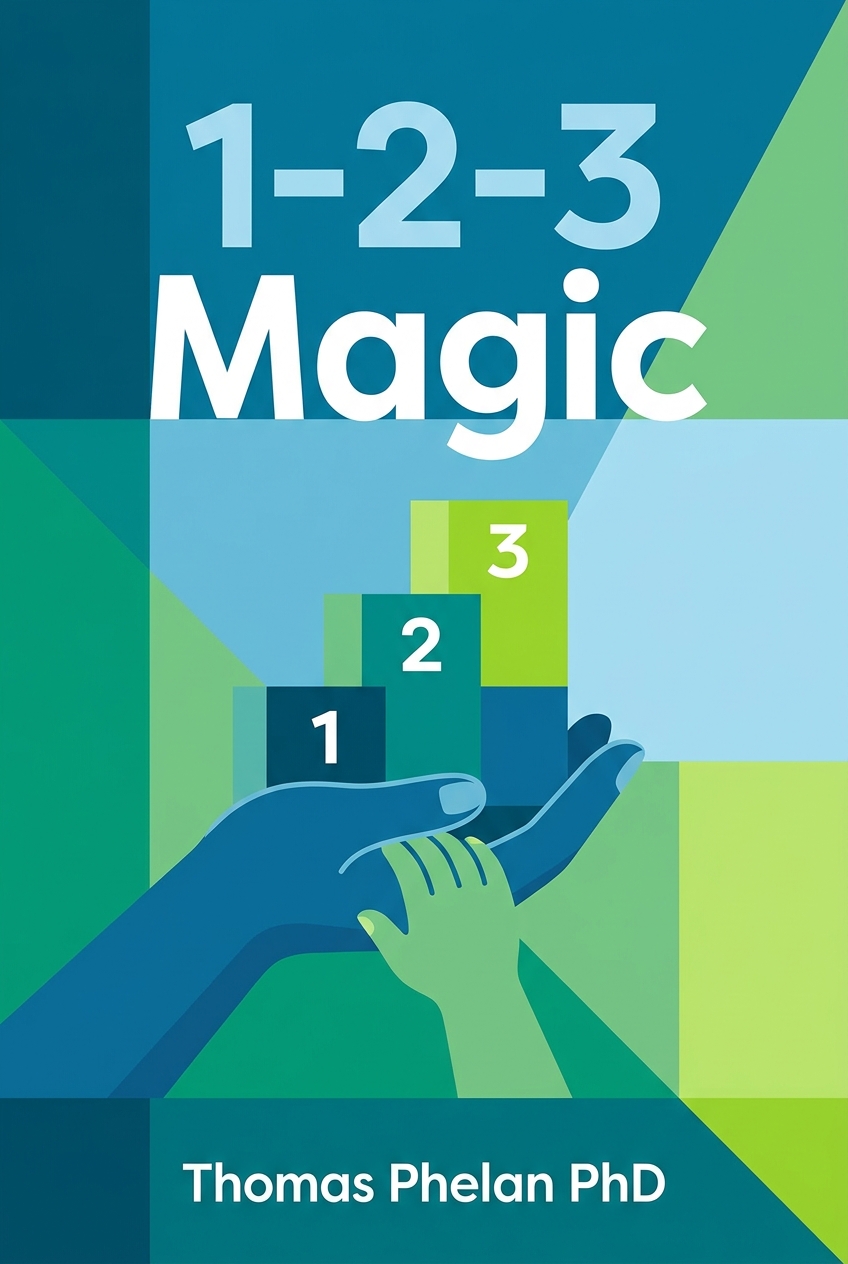
1-2-3 Magic
Gentle 3-Step Child & Toddler Discipline for Calm, Effective, and Happy Parenting (Positive Parenting Guide for Raising Happy Kids)
What's it about
Tired of yelling, negotiating, and feeling like you're losing control? Discover a surprisingly simple, three-step method to stop unwanted behavior, from toddler tantrums to teen arguments, and bring peace back to your home. This system gets results without the drama. You'll learn the single most effective tool for calm and consistent discipline: the 1-2-3 counting method. Uncover the two biggest parenting mistakes that make behavior worse and find out how to strengthen your relationship with your child through positive reinforcement, creating a happier, more cooperative family.
Meet the author
Thomas Phelan, PhD, is a registered clinical psychologist and an internationally recognized expert on child discipline and attention deficit disorder who has empowered millions of families worldwide. Frustrated by the overly complex and often ineffective advice given to parents, he developed the straightforward 1-2-3 Magic method in his private practice. This simple, communication-based system was born from real-world experience helping families replace yelling and arguing with calm, decisive, and effective parenting, leading to happier households and more confident kids.
What's it about
Tired of yelling, negotiating, and feeling like you're losing control? Discover a surprisingly simple, three-step method to stop unwanted behavior, from toddler tantrums to teen arguments, and bring peace back to your home. This system gets results without the drama. You'll learn the single most effective tool for calm and consistent discipline: the 1-2-3 counting method. Uncover the two biggest parenting mistakes that make behavior worse and find out how to strengthen your relationship with your child through positive reinforcement, creating a happier, more cooperative family.
Meet the author
Thomas Phelan, PhD, is a registered clinical psychologist and an internationally recognized expert on child discipline and attention deficit disorder who has empowered millions of families worldwide. Frustrated by the overly complex and often ineffective advice given to parents, he developed the straightforward 1-2-3 Magic method in his private practice. This simple, communication-based system was born from real-world experience helping families replace yelling and arguing with calm, decisive, and effective parenting, leading to happier households and more confident kids.
The Script
You've reached the end of the free preview.