101 Things I Learned in Architecture School
What's it about
Ever wondered how architects learn to think? This summary unlocks the foundational secrets of architectural design, giving you a crash course in the creative and practical principles that shape our world, from drawing a line to designing a building. You don't need a degree to think like an architect. Discover 101 concise lessons that demystify the design process. You'll learn how to see and represent space, understand the interplay of form and function, and apply timeless rules of composition. These insights will sharpen your creative eye and give you a powerful new framework for problem-solving in any field.
Meet the author
Matthew Frederick is an architect, urban designer, and instructor who has taught at Wentworth Institute of Technology, Boston Architectural College, and Cambridge Center for Adult Education. His experience distilling complex design concepts for students led him to create the acclaimed 101 Things I Learned series. Frederick’s unique ability to translate professional practice into concise, memorable lessons provides an accessible entry point into the world of architecture for aspiring designers and curious minds alike, making his work an indispensable guide.
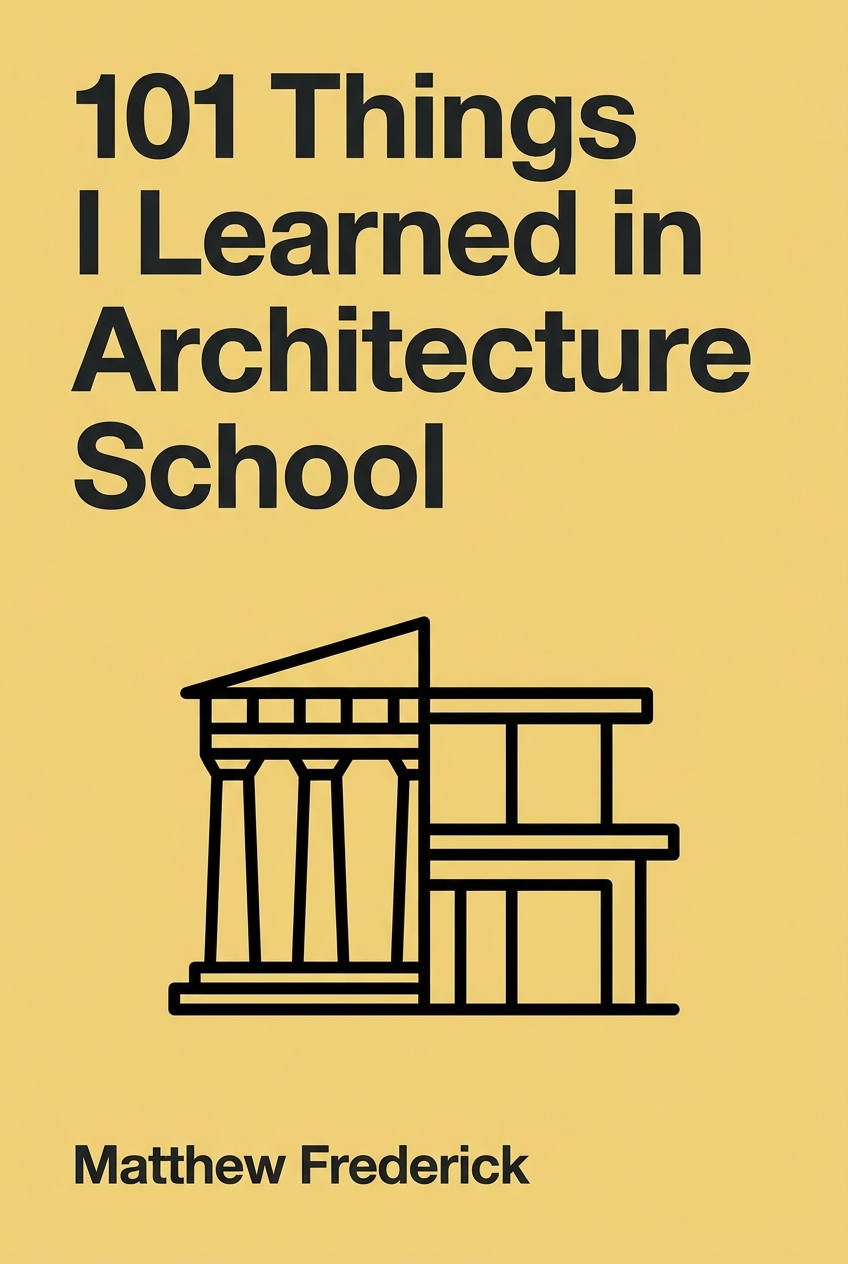
What's it about
Ever wondered how architects learn to think? This summary unlocks the foundational secrets of architectural design, giving you a crash course in the creative and practical principles that shape our world, from drawing a line to designing a building. You don't need a degree to think like an architect. Discover 101 concise lessons that demystify the design process. You'll learn how to see and represent space, understand the interplay of form and function, and apply timeless rules of composition. These insights will sharpen your creative eye and give you a powerful new framework for problem-solving in any field.
Meet the author
Matthew Frederick is an architect, urban designer, and instructor who has taught at Wentworth Institute of Technology, Boston Architectural College, and Cambridge Center for Adult Education. His experience distilling complex design concepts for students led him to create the acclaimed 101 Things I Learned series. Frederick’s unique ability to translate professional practice into concise, memorable lessons provides an accessible entry point into the world of architecture for aspiring designers and curious minds alike, making his work an indispensable guide.
The Script
You've reached the end of the free preview.