A Woman of No Importance
What's it about
Have you ever felt judged for your past, or that society's rules were stacked against you? Discover a story that boldly challenges the hypocritical standards of its time, revealing timeless truths about identity, secrets, and the courage it takes to defy expectations. This witty and dramatic play throws you into the world of English high society, where sharp tongues and hidden scandals are the main event. You'll learn why a woman's reputation is her most fragile possession and how one mother's shocking secret could either save or ruin her son's future.
Meet the author
Oscar Wilde was a leading figure of the late 19th-century Aesthetic movement, celebrated for his brilliant wit, flamboyant style, and masterful command of the English language. As a Dublin-born poet, playwright, and novelist, he championed "art for art's sake," using his sharp social commentary to challenge the stifling conventions of Victorian society. His works, including this play, explore themes of morality, hypocrisy, and beauty, cementing his legacy as one of literature's most enduring and quotable personalities.
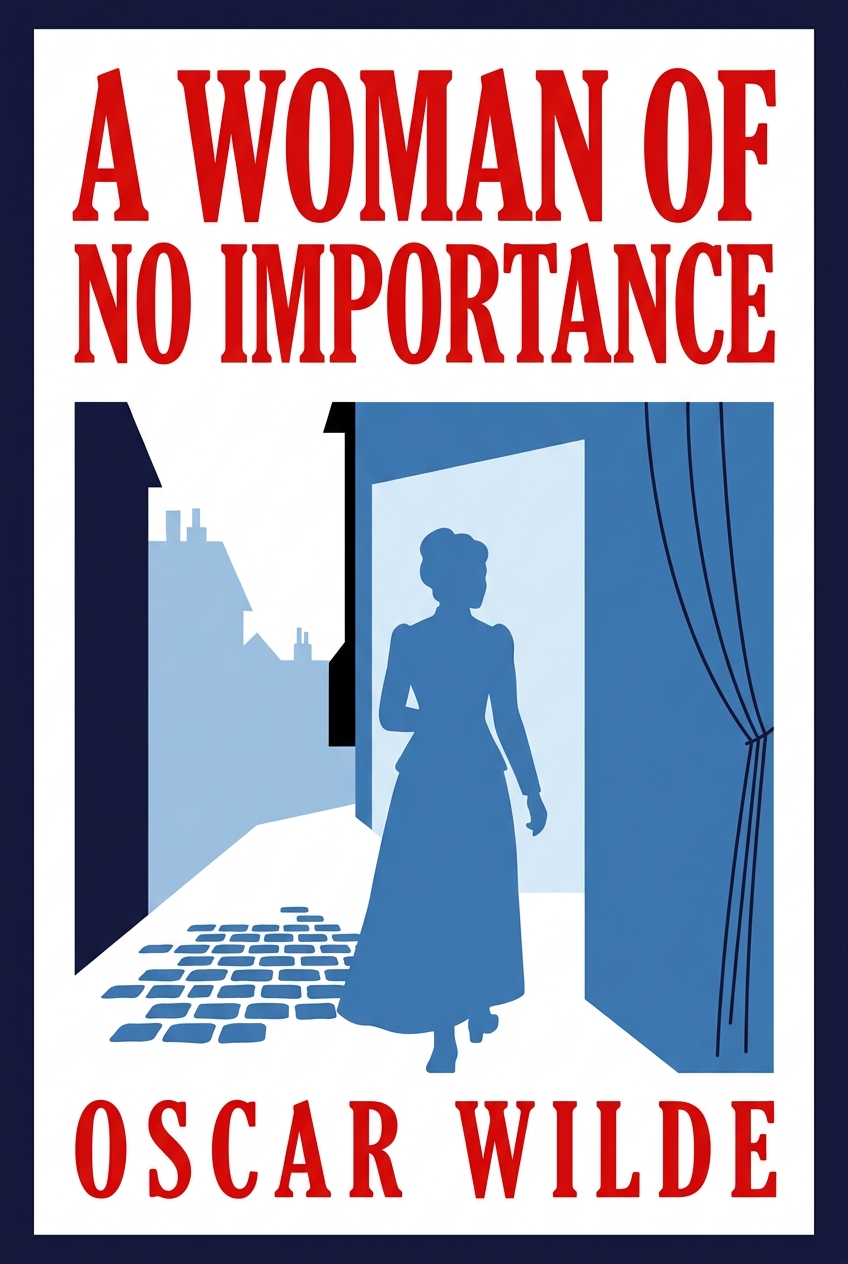
The Script
In the golden age of Netflix, when a showrunner like Shonda Rhimes can command a nine-figure deal and build a global media brand, it’s easy to forget that the concept of a powerful female creative was once a contradiction in terms. Rhimes, with her production company Shondaland, has mastered the art of creating hit after hit by turning her distinct voice into an entire universe of stories. She doesn't just write scripts; she builds worlds, cultivates talent, and defines the cultural conversation. Her power is rooted in her strategic control of the entire creative and commercial apparatus. Her success feels like a modern invention, a 21st-century phenomenon born from new media and shifting cultural tides.
But what if this path was being navigated over a century ago, on the London stage instead of in a Hollywood studio? In the late 19th century, one man, a dazzling celebrity in his own right, noticed this exact tension. He saw a world where brilliant women were relegated to the background, their wit and ambition dismissed as unbecoming. This was Oscar Wilde, a playwright and public figure who was the living embodiment of style and intellectual provocation. He wrote “A Woman of No Importance” as a direct spotlight on this paradox. Wilde, ever the astute observer of society’s hypocrisies, crafted this play for the famous actress Lillie Langtry, aiming to create a vehicle that would showcase the very power and complexity the world denied women like her.
Module 1: The Art of the Epigram—Winning with Wit
The world of this play is an arena of conversation. Victory goes to the wittiest. The characters, especially the cynical Lord Illingworth, use language as a strategic tool. It's their primary method for establishing dominance, deflecting criticism, and shaping the narrative around them.
So, how does this work? The key is the epigram. A short, witty, paradoxical statement. It sounds profound, but its real power is in its ability to end a conversation and make the speaker seem brilliant. Lord Illingworth is a master of this. He declares, "The only difference between the saint and the sinner is that every saint has a past, and every sinner has a future." This sounds clever. It’s memorable. But it also serves a purpose. It neutralizes moral judgment. By blurring the lines between good and bad, he creates a space where his own questionable behavior can seem sophisticated, even inevitable.
This leads to a crucial insight. Mastering the narrative gives you control over reality. Lord Illingworth is actively shaping how others perceive the world. When he says, "Moderation is a fatal thing. Nothing succeeds like excess," he is giving ambitious young men like Gerald Arbuthnot a new, more exciting code to live by. He is replacing the boring, traditional values of hard work and morality with a philosophy of style and charisma. He makes his worldview sound more attractive. Therefore, he makes himself more powerful.
And here's the thing. This is about understanding your audience. The aristocrats in the play are bored. They crave amusement and shock. Lord Illingworth understands this perfectly. He advises Gerald on how to get into the best society. You must "either feed people, amuse people, or shock people—that is all!" He knows that in a superficial world, substance is less important than performance.
This brings us to a really powerful idea for today. Your communication style can be a strategic asset. Think about a high-stakes meeting. The person who can frame the issue with a sharp, memorable line often wins the room. They cut through the noise. They sound confident. They make their position the default. Lord Illingworth teaches that wit is a tool for social navigation. It can disarm an opponent. It can win allies. It can make a radical idea seem like common sense. The lesson is to be intentional with your words. Don’t just convey information. Frame it. Make it stick.