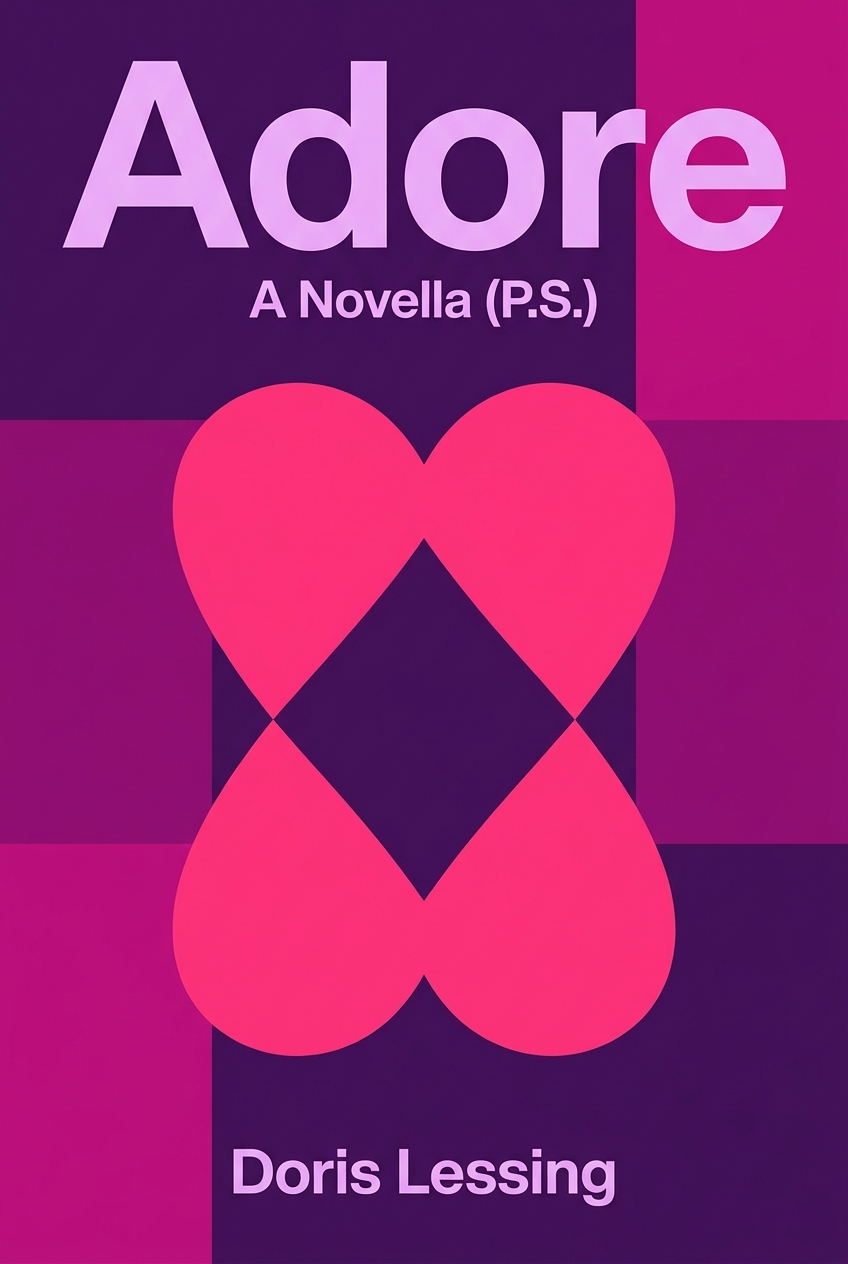
Adore
A Novella (P.S.)
What's it about
Ever wondered how far you would go to keep a dangerous secret? Imagine a sun-drenched paradise where two lifelong best friends, Roz and Lil, find themselves entangled in an unthinkable love affair—with each other's teenage sons. This is a story that will challenge your every notion of love, loyalty, and taboo. Dive into this provocative novella and explore the psychological depths of their choices. You'll witness the intoxicating thrill of their forbidden relationships and the inevitable, heart-wrenching consequences that ripple through their lives. Discover how a pact made in passion threatens to shatter families, friendships, and the very future they thought was secure.
Meet the author
Doris Lessing, winner of the 2007 Nobel Prize in Literature, was hailed by the Swedish Academy as an epicist of the female experience. Her fearless and insightful explorations of social and cultural divides were shaped by her upbringing in colonial Rhodesia now Zimbabwe. This unique perspective allowed Lessing to dissect the complexities of human relationships, taboos, and societal conventions with unparalleled honesty, a skill perfectly captured in the provocative novella Adore.
What's it about
Ever wondered how far you would go to keep a dangerous secret? Imagine a sun-drenched paradise where two lifelong best friends, Roz and Lil, find themselves entangled in an unthinkable love affair—with each other's teenage sons. This is a story that will challenge your every notion of love, loyalty, and taboo. Dive into this provocative novella and explore the psychological depths of their choices. You'll witness the intoxicating thrill of their forbidden relationships and the inevitable, heart-wrenching consequences that ripple through their lives. Discover how a pact made in passion threatens to shatter families, friendships, and the very future they thought was secure.
Meet the author
Doris Lessing, winner of the 2007 Nobel Prize in Literature, was hailed by the Swedish Academy as an epicist of the female experience. Her fearless and insightful explorations of social and cultural divides were shaped by her upbringing in colonial Rhodesia now Zimbabwe. This unique perspective allowed Lessing to dissect the complexities of human relationships, taboos, and societal conventions with unparalleled honesty, a skill perfectly captured in the provocative novella Adore.
The Script
You've reached the end of the free preview.