Cubed
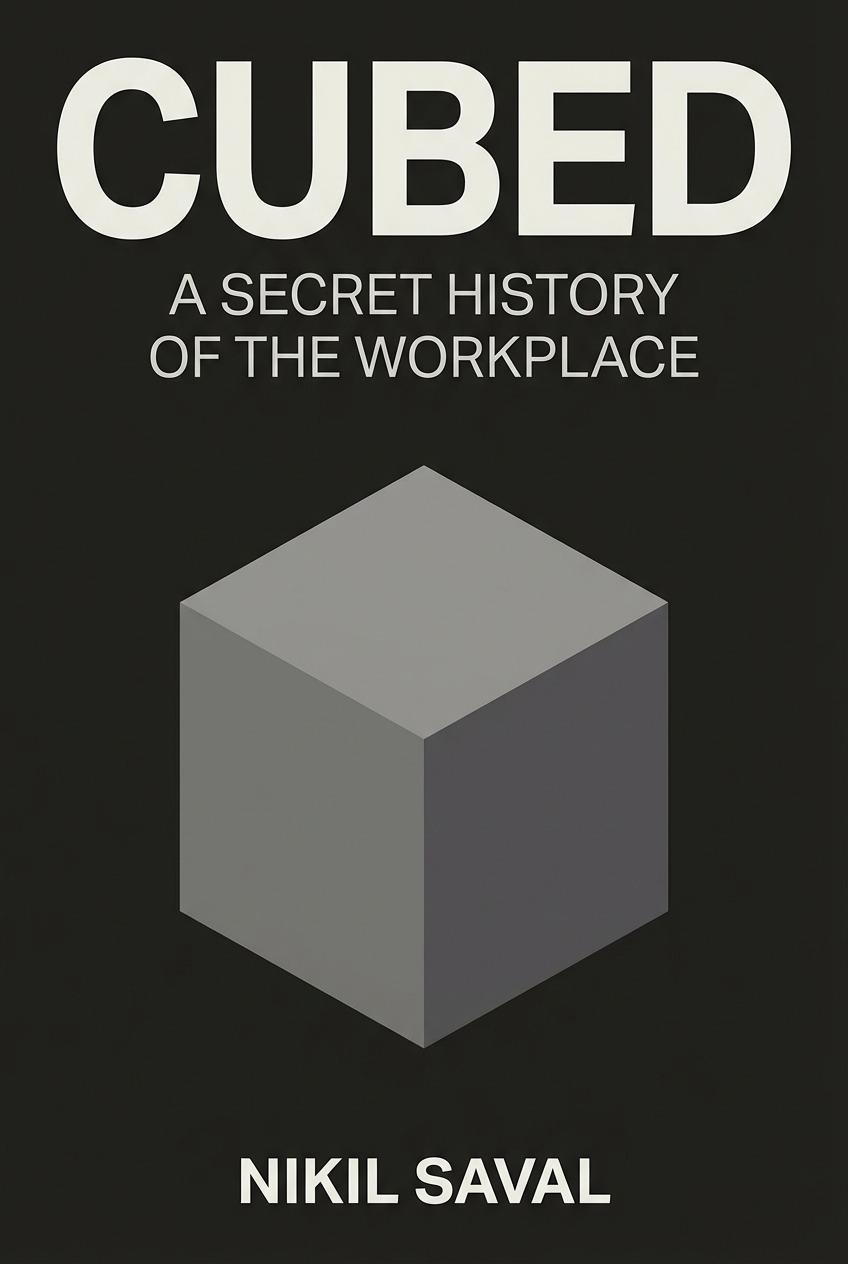
A Secret History of the Workplace
What's it about
Ever wondered why your office is designed the way it is, from the open-plan layout to that lonely cubicle? This summary unpacks the secret history of the workplace, revealing how decades of design choices, management fads, and corporate anxieties created the very environment you work in today. You'll discover the surprising origins of the cubicle, the truth behind collaborative spaces, and why so many offices feel soul-crushing. Learn how we got here and what the future of work might actually look like, empowering you to better navigate and understand your own professional world.
Meet the author
Nikil Saval is a staff writer for The New Yorker and a co-editor of the literary magazine n+1, whose work explores the intersection of architecture, labor, and culture. His background in literary and architectural criticism provided the unique lens for Cubed, where he meticulously traced the evolution of the office from a clerical novelty to the sprawling, often soulless, cubicle farms of the modern era, revealing the hidden forces that shape our daily work lives.
What's it about
Ever wondered why your office is designed the way it is, from the open-plan layout to that lonely cubicle? This summary unpacks the secret history of the workplace, revealing how decades of design choices, management fads, and corporate anxieties created the very environment you work in today. You'll discover the surprising origins of the cubicle, the truth behind collaborative spaces, and why so many offices feel soul-crushing. Learn how we got here and what the future of work might actually look like, empowering you to better navigate and understand your own professional world.
Meet the author
Nikil Saval is a staff writer for The New Yorker and a co-editor of the literary magazine n+1, whose work explores the intersection of architecture, labor, and culture. His background in literary and architectural criticism provided the unique lens for Cubed, where he meticulously traced the evolution of the office from a clerical novelty to the sprawling, often soulless, cubicle farms of the modern era, revealing the hidden forces that shape our daily work lives.
The Script
You've reached the end of the free preview.