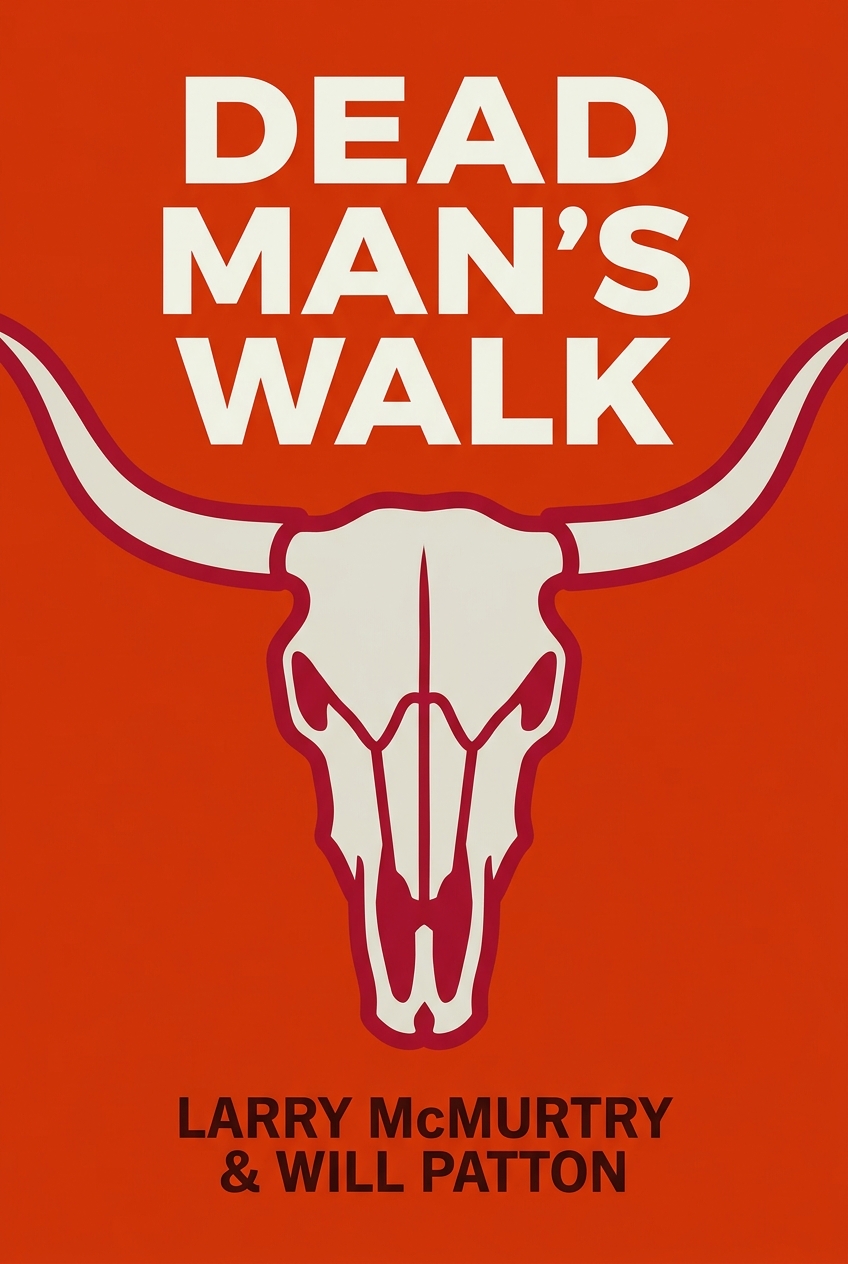
Dead Man's Walk
What's it about
Ever wondered what it truly takes to survive in the untamed American West? Get ready to discover the brutal, exhilarating origins of the legendary Texas Rangers, long before they became heroes, when they were just boys chasing a reckless, dangerous dream. You'll join young Gus McCrae and Woodrow Call on their first perilous expedition, a journey deep into hostile territory that will test their courage, friendship, and will to live. Learn the harsh lessons of survival, witness the birth of legends, and experience the gritty reality of a quest that could lead to glory—or a lonely death on the prairie.
Meet the author
Larry McMurtry was a Pulitzer Prize-winning novelist and Oscar-winning screenwriter celebrated as one of the great chroniclers of the American West. His lifelong fascination with the frontier's myths and harsh realities, born from his Texas ranch upbringing, fueled his creation of unforgettable characters like Gus and Call. McMurtry’s deep understanding of the landscape and its people allowed him to peel back the romantic veneer of the cowboy, exposing the authentic, often brutal, human stories that defined the region's history.
The Script
Two young men join an expedition, believing they're stepping into a grand adventure. They see a future filled with glory, heroic battles, and the easy camaraderie of the trail. They've packed their youthful certainty and a belief that courage is all it takes to conquer the vast, empty plains of the West. They are, in every way, unprepared for the reality that awaits them. The other men on the expedition see something different. They are older, more worn, and carry a quiet dread. They see a landscape that doesn't care about heroism, a sun that kills without mercy, and enemies who fight not for glory but for survival. For them, this is a desperate gamble against a stacked deck, a slow march toward a horizon that promises nothing but dust and thirst.
This gap—between the romantic myth of the West and its brutal, unforgiving reality—is the territory Larry McMurtry spent his life exploring. Growing up on a Texas ranch, he was a descendant of pioneers, yet he became a scholar and a writer, more at home in a bookstore than on a horse. He saw how the legends of cowboys and rangers were built, but he also knew the quiet desperation, the violence, and the profound loneliness that the myths left out. He wrote "Dead Man's Walk" to go back to the very beginning, to strip away the heroic varnish from his most famous characters, Gus McCrae and Woodrow Call. He wanted to show them as reckless, foolish boys, forged into men by the relentless, grinding hardship of a world that was actively trying to kill them.
Module 1: The Myth of the Frontier vs. The Reality of Survival
We often think of the frontier as a place of heroic cowboys and noble savages. McMurtry demolishes this picture from the very first pages. The world he paints is a landscape of extreme hardship, where the primary struggle is against a hostile environment and even more hostile inhabitants. The young Rangers, Gus McCrae and Woodrow Call, join up with visions of glory. They quickly learn that survival is the only real prize.
The first lesson is that the frontier is an active and unforgiving antagonist. Nature itself is a constant threat. The troop is battered by a "blue norther" sandstorm that buries their camp. They witness a cyclone obliterate a homesteader's cabin. Later, on the infamous Jornada del Muerto, the "dead man's walk," the land is described as absolutely empty. There are no animals, no birds, no trees. The primary challenge is enduring thirst so profound that men are forced to drink horse urine from a bladder just to stay alive. This is a slow, grinding battle against dehydration and starvation.
From this foundation, we see a second brutal truth. In this world, violence is casual, sudden, and horrifically intimate. It is ugly and visceral, not the clean, heroic violence of movies. A Mexican cart driver is captured and tortured to death by Comanches, his screams echoing through the Ranger camp. Two young Rangers, Josh Corn and Zeke Moody, are separated from the group. Josh is killed instantly with an arrow to the throat. Zeke is chased down, scalped alive in full view of his comrades, and left to die in agony. The sheer volume of blood and the graphic nature of the violence shocks the young recruits. It's a visceral education that shatters any romantic notions of warfare.
And here's the thing. This environment demands a specific mindset. Pragmatism is the currency of survival. The veteran scouts, Bigfoot Wallace and Shadrach, embody this ethos. They are focused on reading signs, understanding the enemy, and staying alive. When Zeke is being scalped, Shadrach physically stops Call from attempting a futile rescue, stating bluntly, "All this damn helping's got to stop." It’s a harsh lesson. In a world of overwhelming threats, the survival of the group depends on cutting losses. Bigfoot even gives a blunt, technical lecture on the most effective methods of suicide to avoid the horror of being captured and tortured. This is a practical skillset for a world where death is a certainty and a quick end is a mercy.