Defining Moments in Black History
Reading Between the Lies
What's it about
Think the version of Black history you learned in school is the whole story? Prepare to have your perspective shattered. This summary of Dick Gregory's final work uncovers the hidden truths and suppressed narratives that redefine America's most pivotal moments, from Crispus Attucks to modern times. You'll go beyond the sanitized textbook accounts to understand the real, unfiltered stories of rebellion, resilience, and strategic genius. Discover how Gregory, a legendary comedian and activist, uses his sharp wit and deep research to expose the lies we've been told and celebrate the true heroes of Black history.
Meet the author
Dick Gregory was a legendary comedian and civil rights activist who marched alongside Dr. Martin Luther King Jr. and shattered racial barriers in American entertainment. Using his sharp wit as a weapon against injustice, Gregory dedicated his life to exposing uncomfortable truths and fighting for equality. His unique position as both a celebrated entertainer and a frontline activist gave him a rare, unfiltered perspective on the pivotal events and figures that shaped Black history, which he shares in this book.
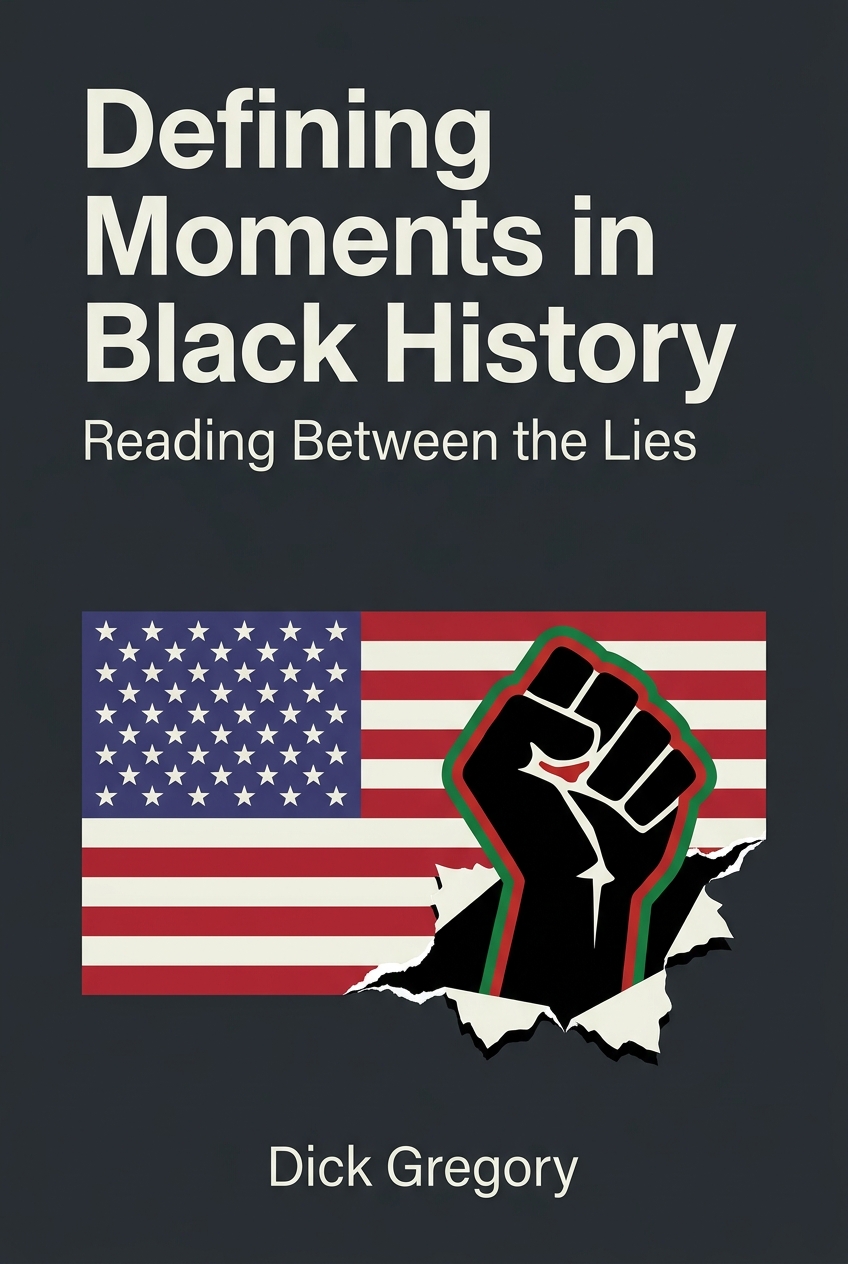
What's it about
Think the version of Black history you learned in school is the whole story? Prepare to have your perspective shattered. This summary of Dick Gregory's final work uncovers the hidden truths and suppressed narratives that redefine America's most pivotal moments, from Crispus Attucks to modern times. You'll go beyond the sanitized textbook accounts to understand the real, unfiltered stories of rebellion, resilience, and strategic genius. Discover how Gregory, a legendary comedian and activist, uses his sharp wit and deep research to expose the lies we've been told and celebrate the true heroes of Black history.
Meet the author
Dick Gregory was a legendary comedian and civil rights activist who marched alongside Dr. Martin Luther King Jr. and shattered racial barriers in American entertainment. Using his sharp wit as a weapon against injustice, Gregory dedicated his life to exposing uncomfortable truths and fighting for equality. His unique position as both a celebrated entertainer and a frontline activist gave him a rare, unfiltered perspective on the pivotal events and figures that shaped Black history, which he shares in this book.
The Script
You've reached the end of the free preview.