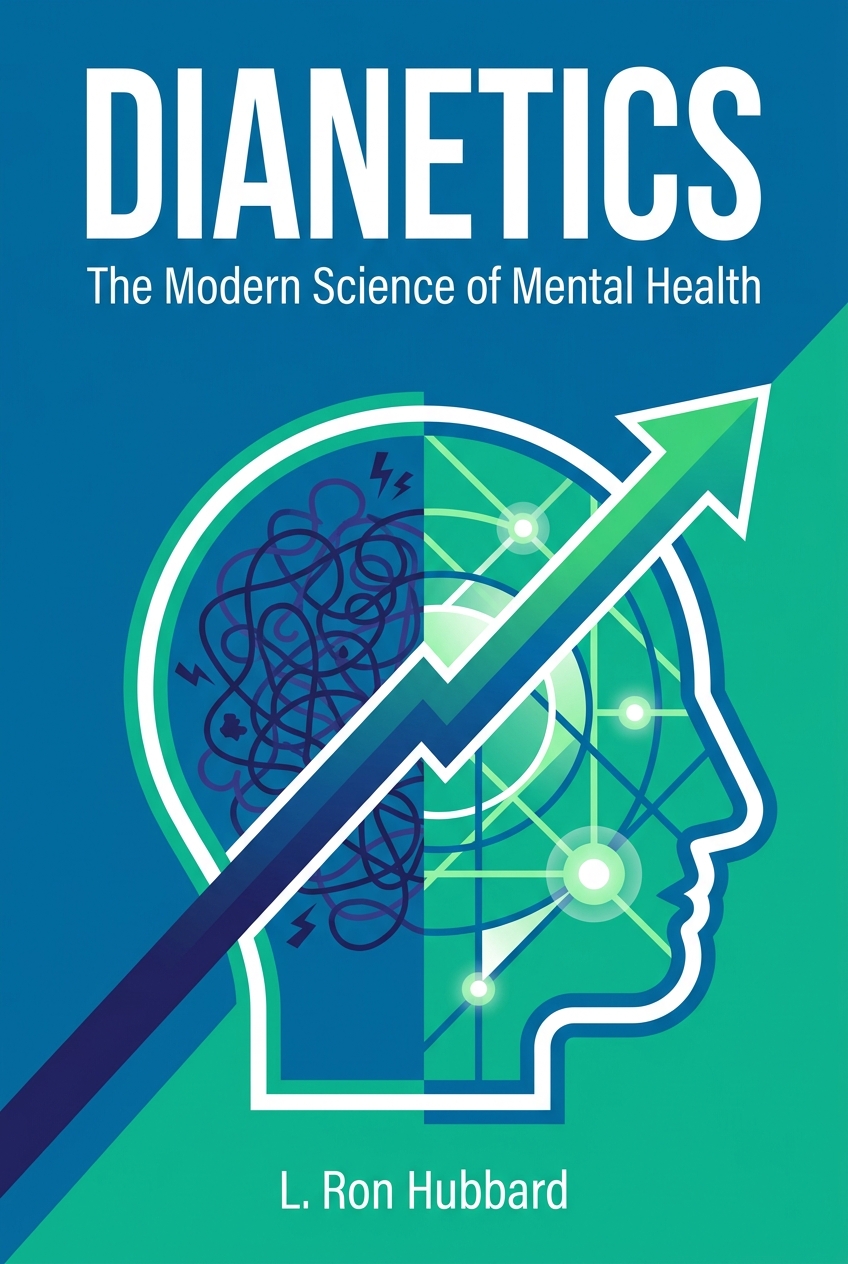
Dianetics
The Modern Science of Mental Health
What's it about
Tired of being held back by self-doubt, past traumas, or unexplained fears? Discover the revolutionary techniques to permanently erase the painful experiences stored in your mind, unlocking your true potential for happiness, confidence, and success. You can achieve the state of Clear. This summary of Dianetics introduces you to the reactive mind—the hidden source of all your irrational behavior and negative emotions. Learn L. Ron Hubbard's precise, step-by-step auditing process to locate and resolve these destructive memories, freeing you to become more intelligent, capable, and in control of your own life.
Meet the author
L. Ron Hubbard was an American author, philosopher, and founder of Scientology, whose extensive research into the human mind produced the landmark self-help bestseller, Dianetics. Drawing from a diverse background that included explorations of over twenty cultures and studies in mathematics, engineering, and nuclear physics, he sought to develop a workable technology of the mind. This unique, multi-disciplinary approach culminated in the insights and techniques presented in his revolutionary book, forever changing the landscape of personal improvement.
What's it about
Tired of being held back by self-doubt, past traumas, or unexplained fears? Discover the revolutionary techniques to permanently erase the painful experiences stored in your mind, unlocking your true potential for happiness, confidence, and success. You can achieve the state of Clear. This summary of Dianetics introduces you to the reactive mind—the hidden source of all your irrational behavior and negative emotions. Learn L. Ron Hubbard's precise, step-by-step auditing process to locate and resolve these destructive memories, freeing you to become more intelligent, capable, and in control of your own life.
Meet the author
L. Ron Hubbard was an American author, philosopher, and founder of Scientology, whose extensive research into the human mind produced the landmark self-help bestseller, Dianetics. Drawing from a diverse background that included explorations of over twenty cultures and studies in mathematics, engineering, and nuclear physics, he sought to develop a workable technology of the mind. This unique, multi-disciplinary approach culminated in the insights and techniques presented in his revolutionary book, forever changing the landscape of personal improvement.
The Script
You've reached the end of the free preview.