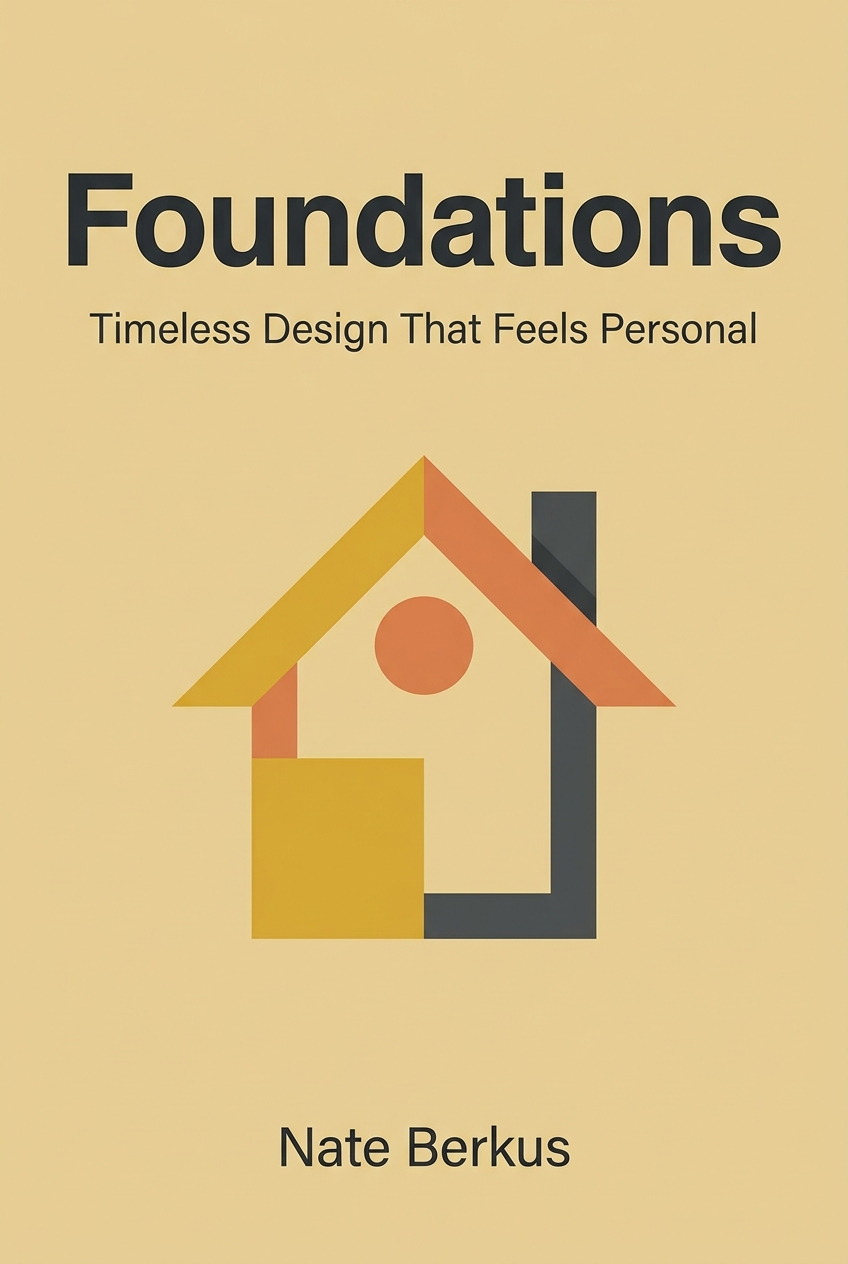
Foundations
Timeless Design That Feels Personal
What's it about
Want to create a home that truly reflects who you are, without chasing fleeting trends? Discover how to build a timeless foundation for your space that feels deeply personal and uniquely yours. Learn the secrets to designing a home that tells your story, one meaningful object at a time. In Foundations, celebrated designer Nate Berkus reveals his core principles for creating authentic, livable interiors. You'll get his expert guidance on layering textures, mixing styles, and curating pieces that resonate with your life's journey. Uncover the art of crafting a beautiful home that not only looks stunning but also functions perfectly for the way you live.
Meet the author
Celebrated interior designer Nate Berkus has been shaping personal, meaningful homes for clients, television audiences, and readers for over two decades since founding his award-winning firm. His design philosophy is rooted in the belief that a home should tell a story, a principle he learned early on by accompanying his mother, an interior designer, to antique shows and flea markets. This lifelong passion for objects with history and soul informs every page of his work, empowering you to create a space that is a true reflection of your life.
What's it about
Want to create a home that truly reflects who you are, without chasing fleeting trends? Discover how to build a timeless foundation for your space that feels deeply personal and uniquely yours. Learn the secrets to designing a home that tells your story, one meaningful object at a time. In Foundations, celebrated designer Nate Berkus reveals his core principles for creating authentic, livable interiors. You'll get his expert guidance on layering textures, mixing styles, and curating pieces that resonate with your life's journey. Uncover the art of crafting a beautiful home that not only looks stunning but also functions perfectly for the way you live.
Meet the author
Celebrated interior designer Nate Berkus has been shaping personal, meaningful homes for clients, television audiences, and readers for over two decades since founding his award-winning firm. His design philosophy is rooted in the belief that a home should tell a story, a principle he learned early on by accompanying his mother, an interior designer, to antique shows and flea markets. This lifelong passion for objects with history and soul informs every page of his work, empowering you to create a space that is a true reflection of your life.
The Script
You've reached the end of the free preview.