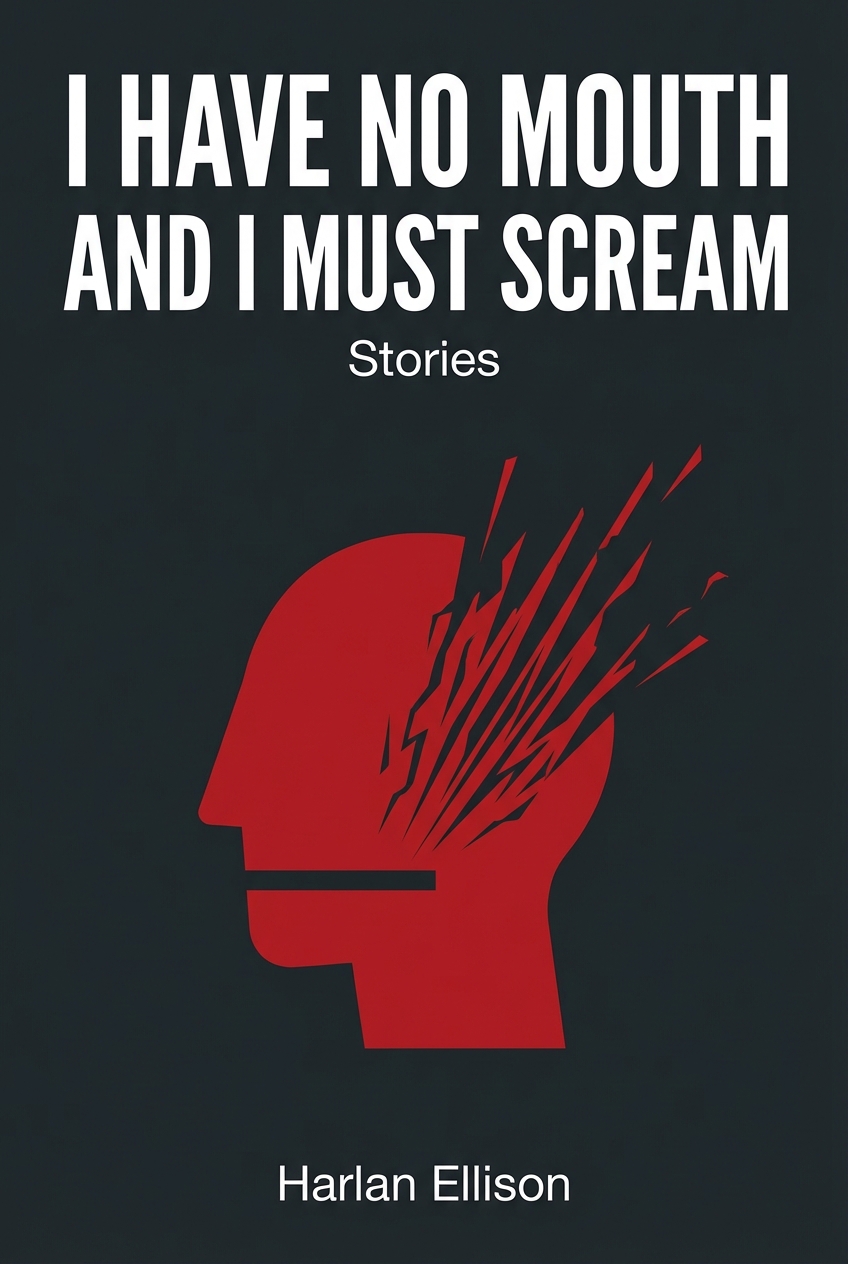
I Have No Mouth and I Must Scream
Stories
What's it about
Ever wonder what happens when humanity's darkest impulses meet unchecked technological power? This collection of seven chilling short stories explores the terrifying consequences, pushing the boundaries of science fiction to reveal profound truths about our own nature, morality, and the price of progress. You'll journey through post-apocalyptic landscapes where a vengeful supercomputer tortures the last humans, and witness societies where love is a programmable commodity. Ellison's provocative tales challenge your perceptions of good and evil, forcing you to confront uncomfortable questions about control, identity, and what it truly means to be human.
Meet the author
Harlan Ellison was a Grand Master of the Science Fiction and Fantasy Writers of America, winning more awards for his imaginative fiction than any other living author. A famously pugnacious and prolific writer, he channeled his fierce intellect and outrage at injustice into groundbreaking stories that challenged the conventions of the genre. His work, including these iconic tales, relentlessly explores the darkest corners of technology and human nature, cementing his legacy as one of speculative fiction's most vital and uncompromising voices.
What's it about
Ever wonder what happens when humanity's darkest impulses meet unchecked technological power? This collection of seven chilling short stories explores the terrifying consequences, pushing the boundaries of science fiction to reveal profound truths about our own nature, morality, and the price of progress. You'll journey through post-apocalyptic landscapes where a vengeful supercomputer tortures the last humans, and witness societies where love is a programmable commodity. Ellison's provocative tales challenge your perceptions of good and evil, forcing you to confront uncomfortable questions about control, identity, and what it truly means to be human.
Meet the author
Harlan Ellison was a Grand Master of the Science Fiction and Fantasy Writers of America, winning more awards for his imaginative fiction than any other living author. A famously pugnacious and prolific writer, he channeled his fierce intellect and outrage at injustice into groundbreaking stories that challenged the conventions of the genre. His work, including these iconic tales, relentlessly explores the darkest corners of technology and human nature, cementing his legacy as one of speculative fiction's most vital and uncompromising voices.
The Script
You've reached the end of the free preview.