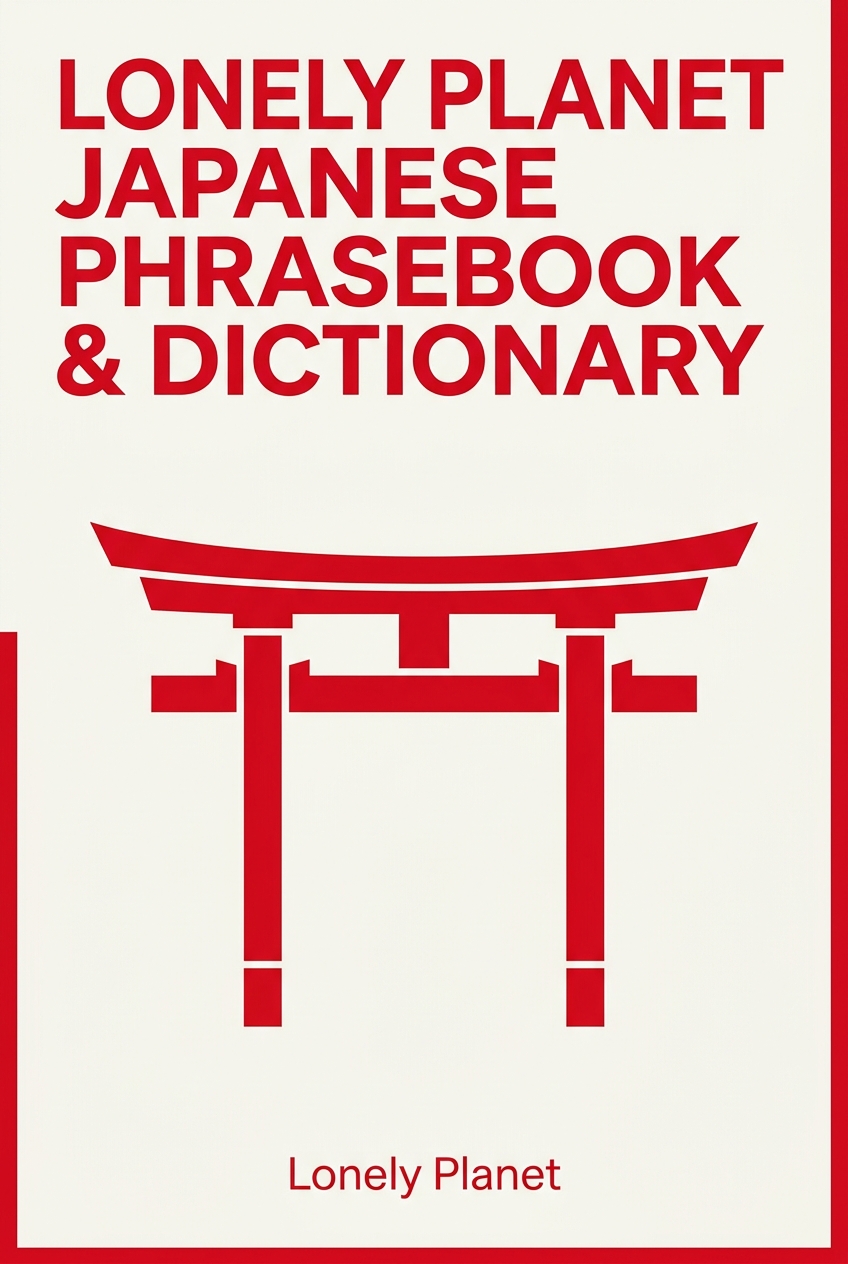
Lonely Planet Japanese Phrasebook & Dictionary
Pocket-Sized Travel Language Guide with 3,500 Words, Essential Phrases, Pronunciation Tips & More
What's it about
Ready to explore Japan beyond the tourist trail? This pocket-sized guide is your key to unlocking authentic local experiences. Confidently order food, ask for directions, and connect with people by mastering essential phrases and pronunciation, ensuring you navigate Japan with ease and respect. You’ll get more than just a dictionary. Discover 3,500 practical words and phrases covering everything from greetings and sightseeing to emergencies and etiquette. Learn the nuances of Japanese culture, avoid common misunderstandings, and turn your trip into a truly unforgettable adventure. This isn't just about language; it's about connection.
Meet the author
For over 50 years, Lonely Planet has been the world's most trusted travel authority, guiding millions of explorers to the heart of their destinations with unparalleled expertise. This legacy is built on the passion of a global community of on-the-ground writers, researchers, and language specialists who live and breathe travel. Their collective, first-hand experience is distilled into every phrase and tip, ensuring you have the authentic, practical language tools needed to connect with the culture and people of Japan.
What's it about
Ready to explore Japan beyond the tourist trail? This pocket-sized guide is your key to unlocking authentic local experiences. Confidently order food, ask for directions, and connect with people by mastering essential phrases and pronunciation, ensuring you navigate Japan with ease and respect. You’ll get more than just a dictionary. Discover 3,500 practical words and phrases covering everything from greetings and sightseeing to emergencies and etiquette. Learn the nuances of Japanese culture, avoid common misunderstandings, and turn your trip into a truly unforgettable adventure. This isn't just about language; it's about connection.
Meet the author
For over 50 years, Lonely Planet has been the world's most trusted travel authority, guiding millions of explorers to the heart of their destinations with unparalleled expertise. This legacy is built on the passion of a global community of on-the-ground writers, researchers, and language specialists who live and breathe travel. Their collective, first-hand experience is distilled into every phrase and tip, ensuring you have the authentic, practical language tools needed to connect with the culture and people of Japan.
The Script
You've reached the end of the free preview.