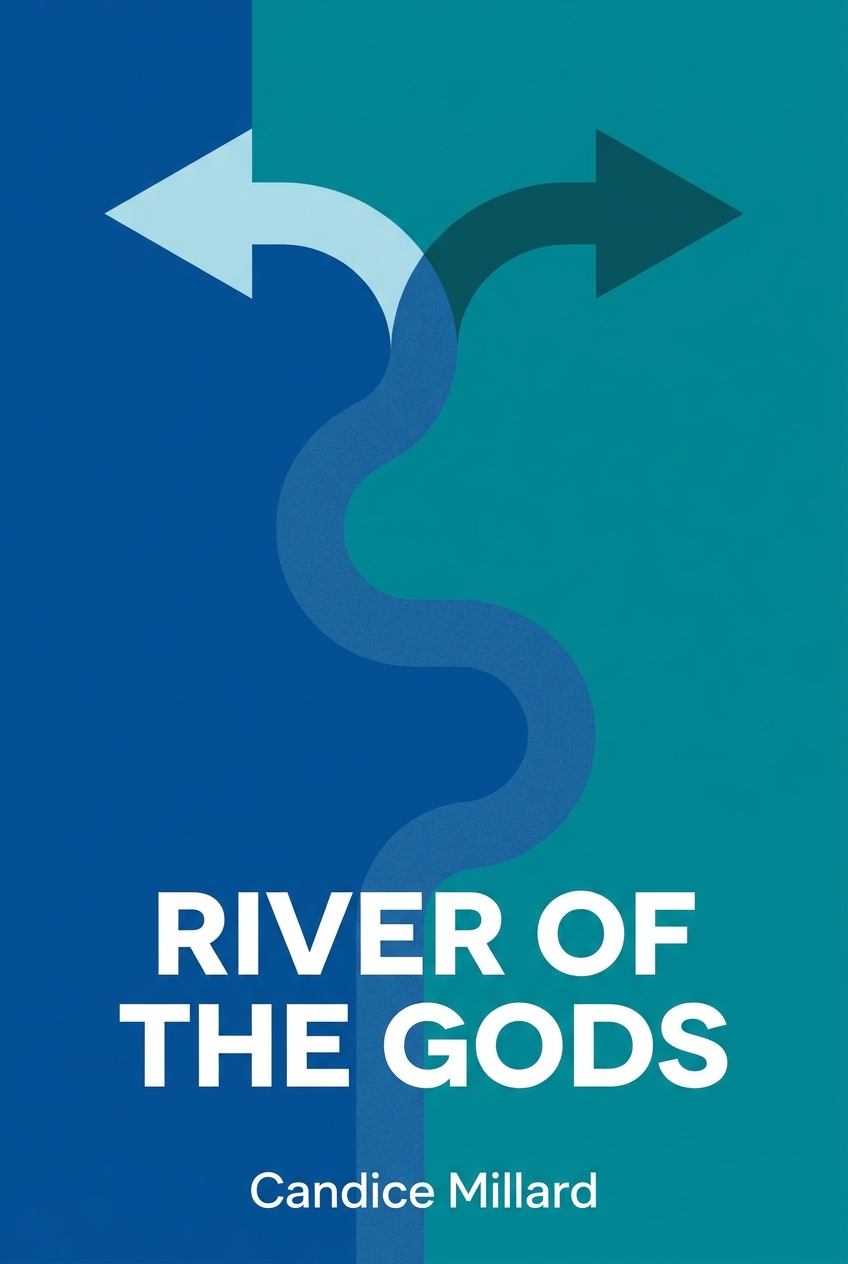
River of the Gods
Genius, Courage, and Betrayal in the Search for the Source of the Nile
What's it about
Have you ever wondered what it takes to achieve a goal so monumental it changes the world map forever? Discover the intense rivalry and relentless ambition that drove two British explorers, Richard Burton and John Hanning Speke, into the heart of Africa to solve an ancient mystery. You'll get a front-row seat to their grueling expedition, uncovering the genius strategies, unthinkable courage, and shocking betrayals behind their quest to find the Nile's source. Learn how their personal clash and conflicting claims fueled one of history's greatest geographical debates and what it truly costs to chase greatness.
Meet the author
Candice Millard is a former writer and editor for National Geographic and the New York Times bestselling author of four critically acclaimed books on exploration and historical adventure. Her passion for forgotten figures and harrowing journeys led her to the epic story of Richard Burton and John Hanning Speke, meticulously researching archives across three continents. Millard excels at transforming deep historical scholarship into gripping, page-turning narratives that bring the past and its complex characters vividly to life for modern readers.
What's it about
Have you ever wondered what it takes to achieve a goal so monumental it changes the world map forever? Discover the intense rivalry and relentless ambition that drove two British explorers, Richard Burton and John Hanning Speke, into the heart of Africa to solve an ancient mystery. You'll get a front-row seat to their grueling expedition, uncovering the genius strategies, unthinkable courage, and shocking betrayals behind their quest to find the Nile's source. Learn how their personal clash and conflicting claims fueled one of history's greatest geographical debates and what it truly costs to chase greatness.
Meet the author
Candice Millard is a former writer and editor for National Geographic and the New York Times bestselling author of four critically acclaimed books on exploration and historical adventure. Her passion for forgotten figures and harrowing journeys led her to the epic story of Richard Burton and John Hanning Speke, meticulously researching archives across three continents. Millard excels at transforming deep historical scholarship into gripping, page-turning narratives that bring the past and its complex characters vividly to life for modern readers.
The Script
You've reached the end of the free preview.