All Books
Self-Growth
Business & Career
Health & Wellness
Society & Culture
Money & Finance
Relationships
Science & Tech
Fiction
Topics
Blog
Download on the App Store

The Book of Japanese Folklore

An Encyclopedia of the Spirits, Monsters, and Yokai of Japanese Myth: The Stories of the Mischievous Kappa, Trickster Kitsune, Horrendous Oni, and More

16 minThersa Matsuura

What's it about

Ever wonder what lurks in the shadows of Japanese folklore? Get ready to uncover the secrets of Japan's most fascinating and fearsome creatures, from mischievous tricksters to vengeful ghosts, and understand the cultural stories that have shaped the nation for centuries. You'll explore the hidden origins of the monstrous Oni, the clever Kitsune fox spirits, and the water-dwelling Kappa. Discover how these ancient myths continue to influence modern Japan, from anime and manga to everyday superstitions, and gain a deeper appreciation for its rich cultural tapestry.

Meet the author

Thersa Matsuura is the writer and producer of the award-winning Uncanny Japan podcast, which has explored the country's captivating folklore and culture for over a decade. Living in a small Japanese fishing village for more than thirty years, she has dedicated her life to uncovering and translating the obscure, forgotten, and often chilling tales that form the heart of Japan's rich oral traditions. Her unique position as a long-term expatriate allows her to bridge the gap between these ancient stories and a modern global audience.
Listen Now

Opens the App Store to download Voxbrief

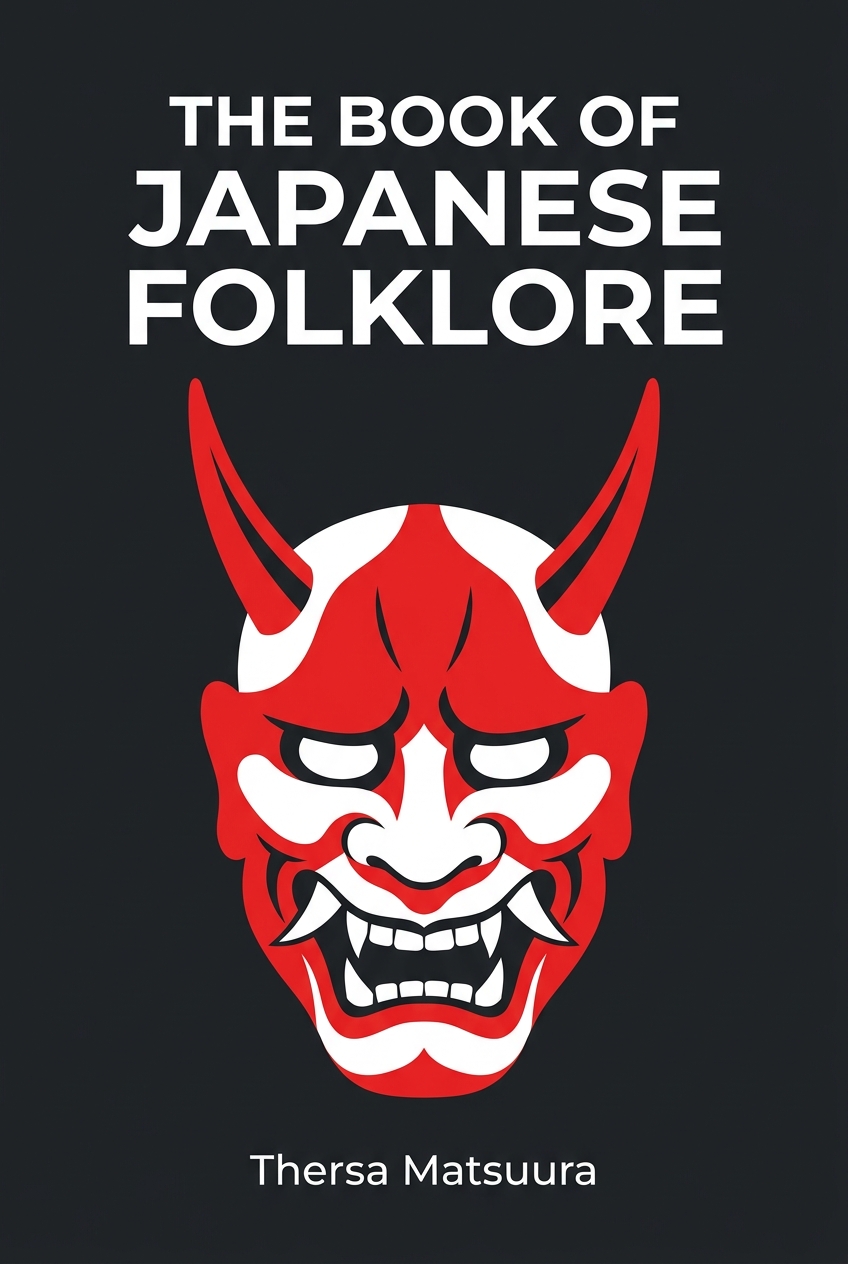
The Book of Japanese Folklore book cover

The Script

At a small shrine in rural Japan, a family leaves a single, perfect orange on the stone steps. It's a simple offering, a quiet prayer for a good harvest. Hours later, a weary traveler, lost and hungry, finds the fruit. To him, it’s sustenance, a moment of unexpected grace on a hard road. The same object, in the same place, holds two entirely different meanings. One is an appeal to the unseen world, a continuation of tradition; the other is a concrete, physical miracle. Japan is full of these quiet intersections, where the spiritual and the mundane don't just coexist—they share the same space, often becoming indistinguishable.

This is the world Thersa Matsuura has inhabited for over three decades. Living in a small seaside village in Japan, she noticed these moments everywhere: in the stories her neighbors told, the local festivals they celebrated, and the ancient beliefs that still subtly guided their daily lives. She realized that the folklore was a living, breathing part of the culture, explaining everything from why you shouldn't whistle at night to the proper way to honor the spirits in your kitchen. Wanting to share this deeper, more intimate side of Japan with the world, she began collecting these stories, translating them, and exploring the history behind them on her popular podcast, Uncanny Japan. This book is the culmination of that journey, an invitation into the side of Japan that rarely makes it into travel guides.

Module 1: The Living World of Spirits and Gods

Japanese folklore is a dynamic framework for interpreting reality. The supernatural world and the everyday world are deeply intertwined. This leads to our first core insight.

Japanese folklore is an integrated part of modern life, not a historical curiosity. People still use folkloric principles in their daily routines. For example, many homes are built to avoid the kimon, or "demon's gate." This is the northeastern sector of a property. Traditional belief holds that placing doors or windows there invites misfortune in the form of oni, or ogres. To counter this, people might plant a prickly holly bush in their yard. The thorns are believed to repel these unwelcome spirits. This is a living practice that continues to influence architecture and home life.

Now, let's turn to a more personal level. Bad luck is sometimes explained by an encounter with a binbōgami, a god of poverty. Good fortune, on the other hand, might be credited to a visit from a zashiki warashi, a lucky, child-like ghost. These beliefs provide a narrative for the unexplainable ups and downs of life.

This brings us to a fundamental concept. Japanese folklore is built on two key categories of beings: kami and yōkai. Understanding them is essential. Kami are often translated as "gods," but the term is much broader. It refers to the divine spirits or forces found in nature, objects, and even people. They are not always benevolent. The hōsōgami, or god of smallpox, was a feared kami associated with disease.

Yōkai, in contrast, are the supernatural creatures and monsters of folklore. They are often born from human attempts to explain the unexplainable. A strange rattling sound in the hills at night? That might be the azukiarai, a yōkai who mysteriously washes red beans by the river. The strange phenomenon of ball lightning? That was once attributed to the raijū, a "thunder beast" that fell to earth during storms. These stories gave shape and meaning to a world that often felt chaotic and unpredictable.

But here's the thing. Folklore merges with religion and history. In Japan, you can't easily separate Shinto, Buddhist, and folkloric beliefs. They bleed into one another. The folk hero Kintarō is a perfect example. He was a boy with supernatural strength raised in the mountains. He grew up to become the real-life historical samurai Sakata no Kintoki. After his death, he was enshrined as a kami, a divine spirit. People still pray at his shrine for their children's health. In this single figure, you see folklore, history, and religion woven together into a single, complex narrative.

Read More