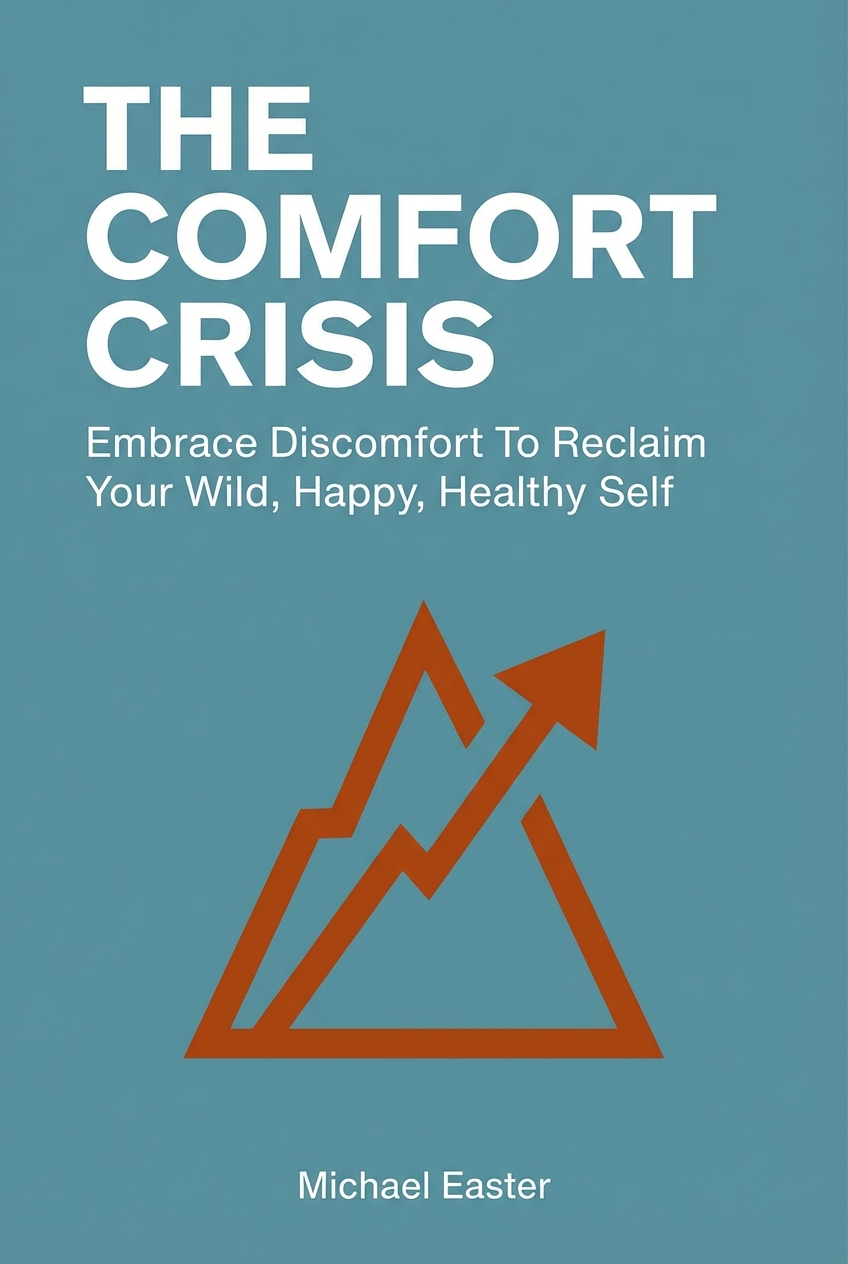
The Comfort Crisis
Embrace Discomfort To Reclaim Your Wild, Happy, Healthy Self
What's it about
Are you too comfortable? Discover why our modern, cozy lives might be the root of our anxiety, unhappiness, and poor health. Learn how strategically embracing discomfort can unlock a happier, stronger, and more resilient version of yourself. This summary reveals the counterintuitive secret to a better life: "misogi," an ancient Japanese practice of taking on an epic annual challenge. You'll join author Michael Easter on a grueling 33-day caribou hunt in the Alaskan backcountry to learn how getting out of your comfort zone can radically transform your physical and mental well-being for the better.
Meet the author
Michael Easter is a leading voice on how ancient wisdom and modern science can improve human health, performance, and well-being, and a contributing editor at Men’s Health magazine. His investigations into the life-changing power of discomfort took him from the Alaskan arctic to the world’s most remote places. These experiences revealed how stepping outside our comfort zones is the key to unlocking a stronger, happier, and healthier life, forming the foundation of his groundbreaking work in The Comfort Crisis.
What's it about
Are you too comfortable? Discover why our modern, cozy lives might be the root of our anxiety, unhappiness, and poor health. Learn how strategically embracing discomfort can unlock a happier, stronger, and more resilient version of yourself. This summary reveals the counterintuitive secret to a better life: "misogi," an ancient Japanese practice of taking on an epic annual challenge. You'll join author Michael Easter on a grueling 33-day caribou hunt in the Alaskan backcountry to learn how getting out of your comfort zone can radically transform your physical and mental well-being for the better.
Meet the author
Michael Easter is a leading voice on how ancient wisdom and modern science can improve human health, performance, and well-being, and a contributing editor at Men’s Health magazine. His investigations into the life-changing power of discomfort took him from the Alaskan arctic to the world’s most remote places. These experiences revealed how stepping outside our comfort zones is the key to unlocking a stronger, happier, and healthier life, forming the foundation of his groundbreaking work in The Comfort Crisis.
The Script
You've reached the end of the free preview.