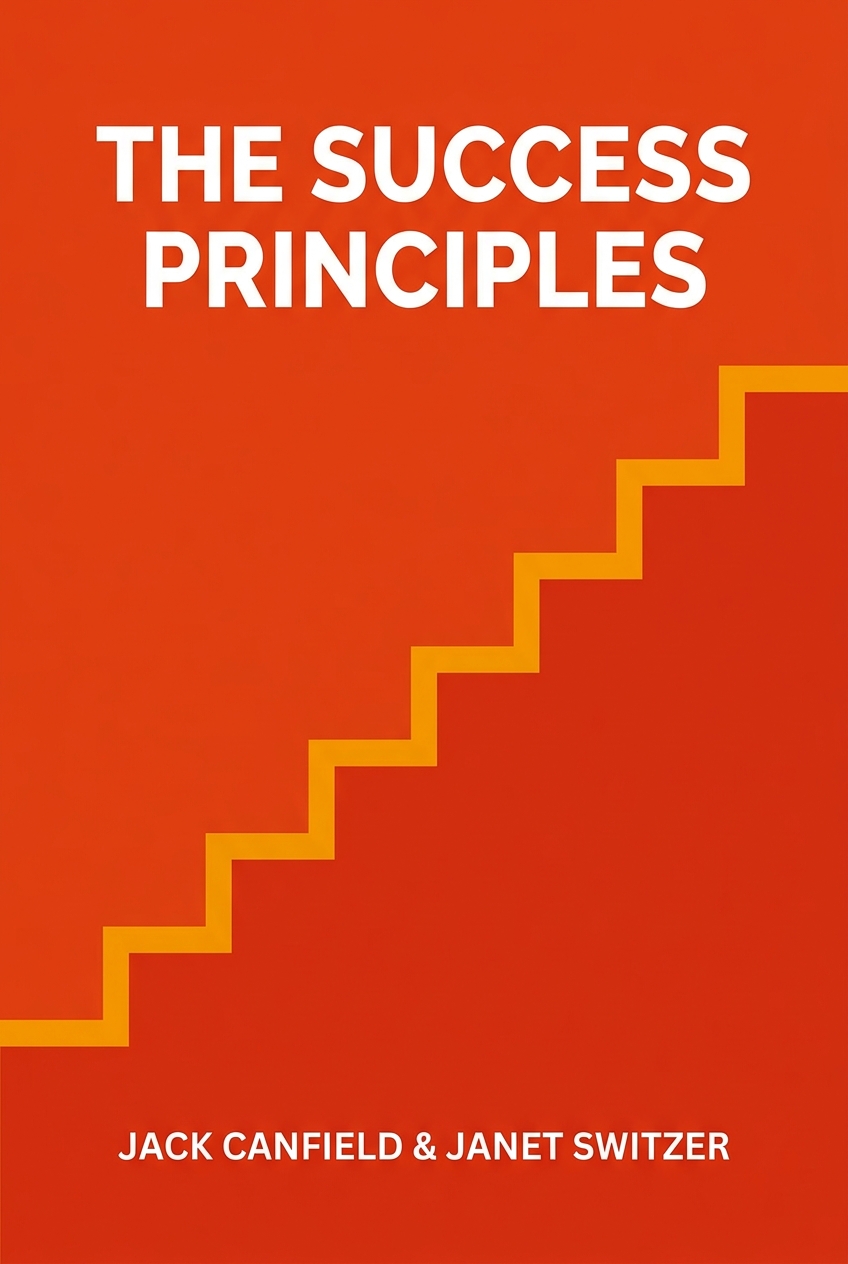
The Success Principles
How to Get from Where You Are to Where You Want to Be―Essential Principles for Personal Growth and Development
What's it about
Ever wonder what separates super-achievers from everyone else? It’s not luck or genius, but a set of powerful, repeatable principles. Learn the exact strategies used by top performers in every field to turn ambitious dreams into your daily reality, starting today. Take full control of your life by mastering 67 timeless rules for success. You’ll discover how to clarify your purpose, overcome limiting beliefs, build an unstoppable team, and manage your time and money effectively. This summary gives you the complete roadmap to get from where you are to where you truly want to be.
Meet the author
Jack Canfield is America's 1 Success Coach and the celebrated originator of the billion-dollar Chicken Soup for the Soul series, which has sold over 500 million copies worldwide. His co-author, Janet Switzer, is a renowned marketing and business growth expert who has helped thousands of entrepreneurs achieve phenomenal success. Together, they distilled decades of studying the world's most successful people into the timeless, actionable strategies found within The Success Principles, creating a universal roadmap for personal and professional achievement.
What's it about
Ever wonder what separates super-achievers from everyone else? It’s not luck or genius, but a set of powerful, repeatable principles. Learn the exact strategies used by top performers in every field to turn ambitious dreams into your daily reality, starting today. Take full control of your life by mastering 67 timeless rules for success. You’ll discover how to clarify your purpose, overcome limiting beliefs, build an unstoppable team, and manage your time and money effectively. This summary gives you the complete roadmap to get from where you are to where you truly want to be.
Meet the author
Jack Canfield is America's 1 Success Coach and the celebrated originator of the billion-dollar Chicken Soup for the Soul series, which has sold over 500 million copies worldwide. His co-author, Janet Switzer, is a renowned marketing and business growth expert who has helped thousands of entrepreneurs achieve phenomenal success. Together, they distilled decades of studying the world's most successful people into the timeless, actionable strategies found within The Success Principles, creating a universal roadmap for personal and professional achievement.
The Script
You've reached the end of the free preview.