Best Forensic Psychology Books
Delving into the minds of criminals requires understanding the core principles of human behavior. To grasp what is forensic psychology and why is forensic psychology important, one must explore the motivations, habits, and cognitive patterns that drive deviant actions. This collection of good criminal psychology books offers unique insights into the 'why' behind human choices, both good and bad. Our list contains must read forensic psychology books that dissect everything from habit formation to the lack of conscience. Curated by the VoxBrief team.
The Subtle Art of Not Giving a F*ck
Learn why choosing your values is the key to a meaningful, responsible life.
- A good life is not about eliminating problems, but solving better ones.
- Accepting responsibility for your own problems is the first step to freedom.
- Many antisocial behaviors stem from skewed or poorly chosen values.
Readers curious about how values, or a lack thereof, drive behavior.
Learn why choosing your values is the key to a meaningful, responsible life.
Atomic Habits
Discover how tiny, incremental changes can lead to major shifts in behavior.
- Lasting change comes from small habits, not massive overhauls.
- Follow the Four Laws: Make it Obvious, Attractive, Easy, and Satisfying.
- Your identity and your habits are deeply intertwined.
Students of criminology interested in how small actions form larger patterns.
Discover how tiny, incremental changes can lead to major shifts in behavior.
The Psychology of Money
Understand the behavioral biases that drive financial decisions, good and bad.
- Financial success is more about behavior than raw intelligence.
- Greed and fear often lead to disastrous long-term decisions.
- This can explain the psychology behind white-collar and financial crimes.
Anyone studying the motivations behind financial crimes like fraud or theft.
Understand the behavioral biases that drive financial decisions, good and bad.
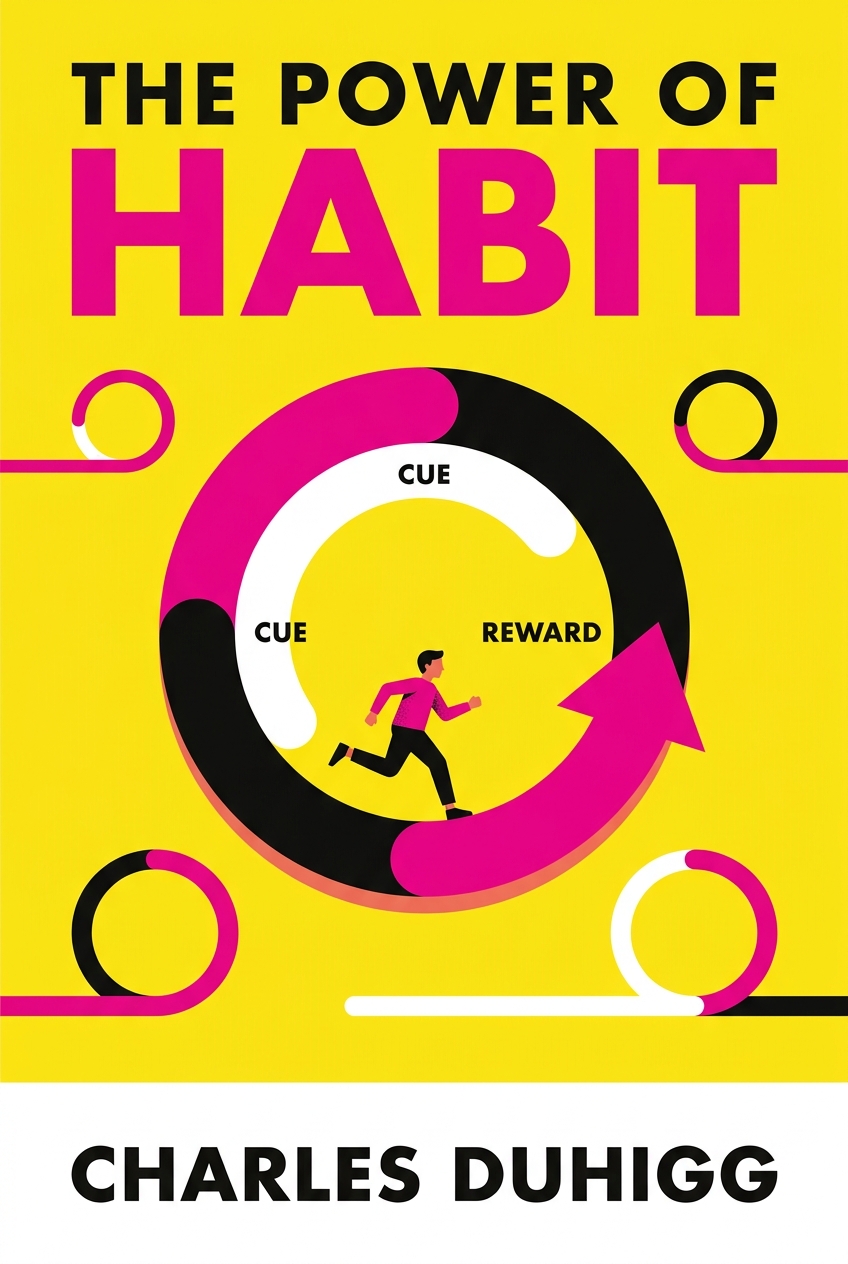
The Power of Habit
Uncover the neurological loop that fuels both good and bad habits, including crime.
- Habits operate on a simple Cue, Routine, Reward loop.
- To change a habit, you must substitute a new routine for the old one.
- Understanding this loop is key to breaking destructive patterns.
Professionals studying how routine behaviors can lead to criminal activity.
Uncover the neurological loop that fuels both good and bad habits, including crime.
Mindset
Explore how a 'fixed' or 'growth' mindset determines responses to failure.
- A 'fixed mindset' believes abilities are static, avoiding challenges.
- A 'growth mindset' sees failure as a chance to learn and improve.
- This core belief impacts rehabilitation potential and resilience.
Those in social work or corrections exploring paths to rehabilitation.
Explore how a 'fixed' or 'growth' mindset determines responses to failure.
The 7 Habits of Highly Effective People
A principle-centered guide to building a proactive and purposeful life.
- Living proactively means taking responsibility for your life and choices.
- This contrasts with the reactive, blame-oriented mindset in some offenders.
- Effective people operate from a foundation of solid a personal mission.
People studying the frameworks of pro-social versus antisocial lifestyles.
A principle-centered guide to building a proactive and purposeful life.
Breaking the Habit of Being Yourself
Learn to rewire your brain to break free from self-limiting thoughts and actions.
- Your personality is created by your thoughts, actions, and feelings.
- You can change your reality by changing your internal state.
- Meditation is a powerful tool for accessing new states of being.
Individuals interested in the psychology of personal transformation.
Learn to rewire your brain to break free from self-limiting thoughts and actions.
The Coaching Habit
Learn to ask powerful questions to get to the heart of any issue.
- Asking questions is more powerful than giving advice.
- The 'And What Else?' question can uncover deeper motivations.
- This framework is useful for interviews or interrogations to find root causes.
Interviewers or investigators learning to uncover deeper truths.
Learn to ask powerful questions to get to the heart of any issue.
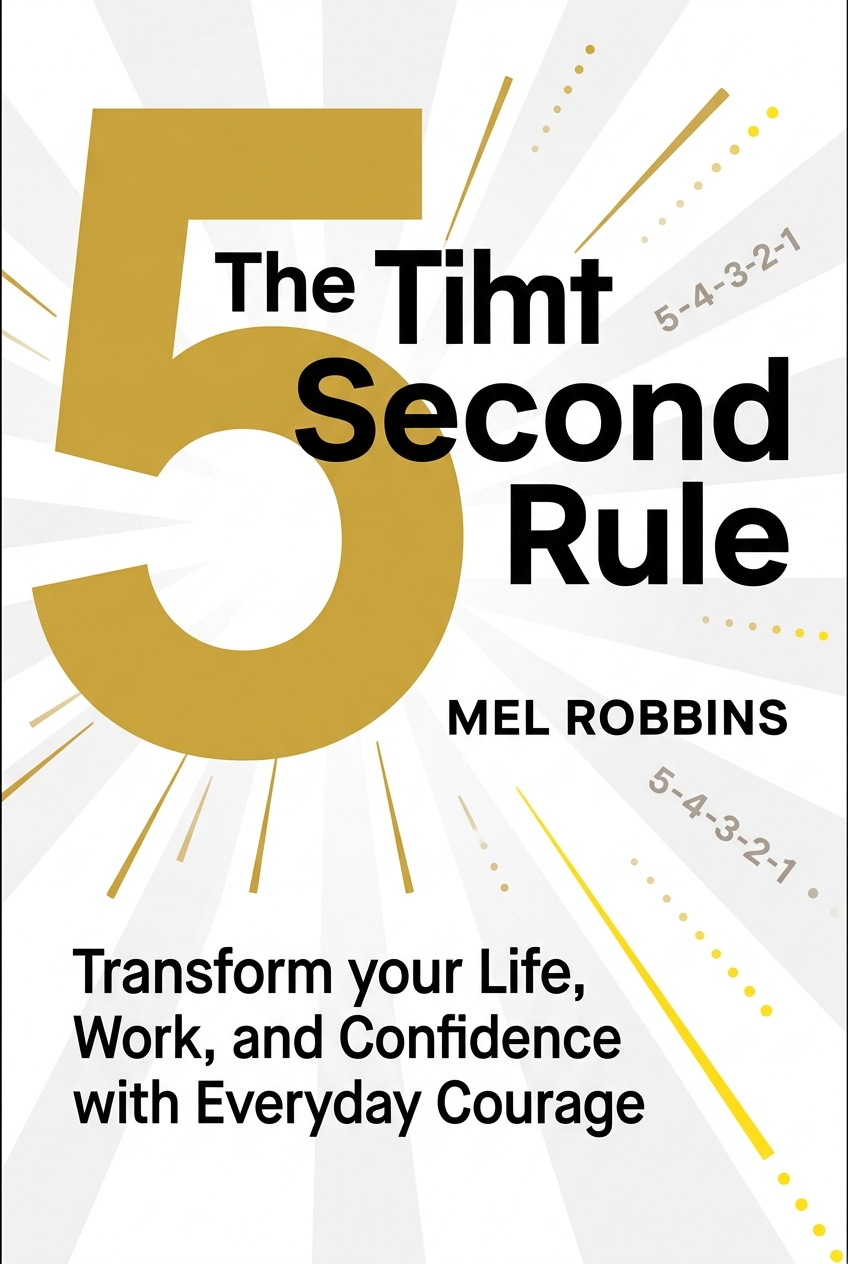
The 5 Second Rule
Use a simple mental trick to override hesitation and take decisive action.
- The rule is a tool to push you from impulse to action in five seconds.
- It helps bypass the self-doubt that can lead to inaction.
- This concept can be applied to understanding impulsive criminal acts.
Readers interested in the psychology of impulse and decision-making.
Use a simple mental trick to override hesitation and take decisive action.
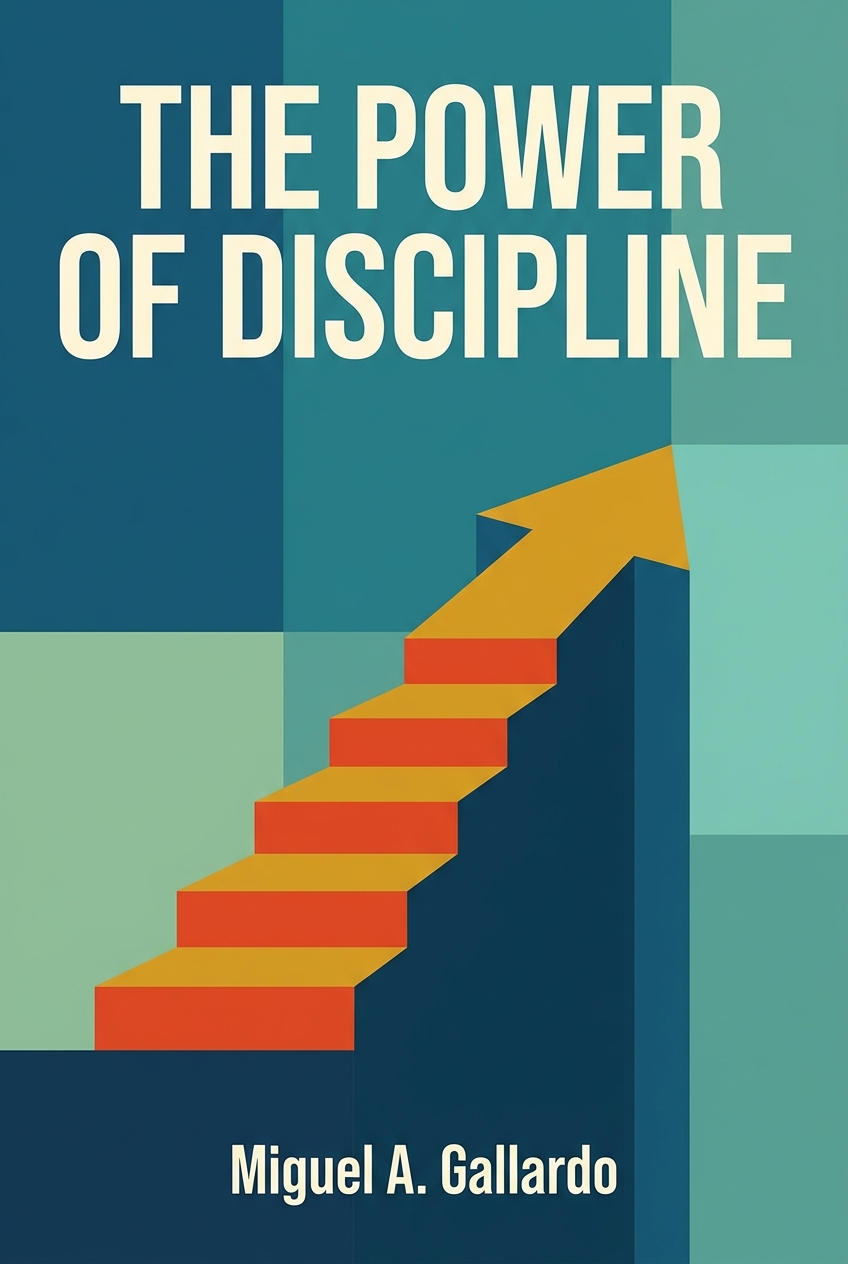
The Power of Discipline
Unlock the mental toughness and self-control to conquer impulsive behaviors.
- Discipline is a skill that can be developed through daily practice.
- Lack of self-control is often a precursor to poor life outcomes.
- Learn techniques to defeat procrastination and temptation.
Beginners studying the link between impulse control and criminology.
Unlock the mental toughness and self-control to conquer impulsive behaviors.
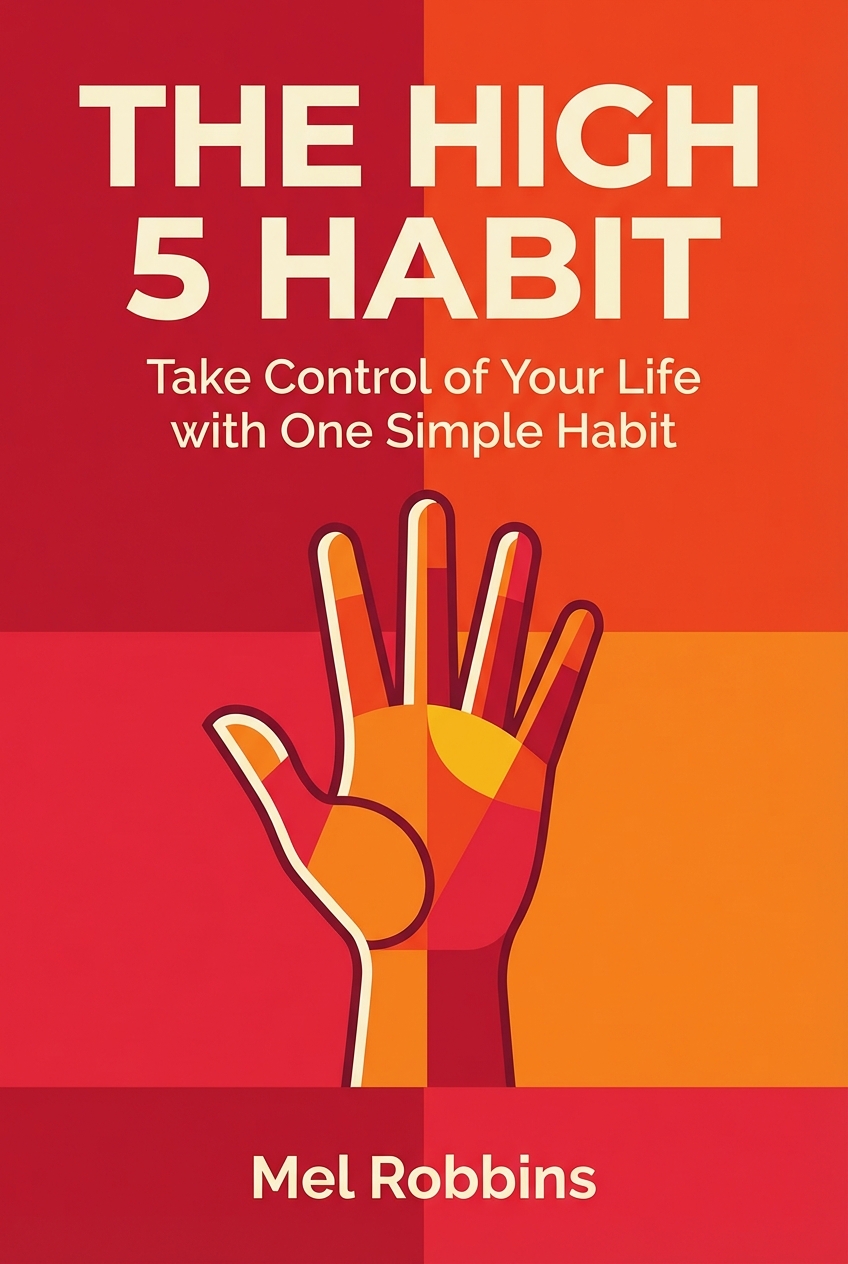
The High 5 Habit
A simple morning ritual to rewire your brain for confidence and self-belief.
- Your relationship with yourself dictates your actions in the world.
- Celebrating yourself can build the confidence needed to make better choices.
- A lack of self-worth can be a risk factor for negative behavior patterns.
Those interested in the role of self-esteem as a protective factor.
A simple morning ritual to rewire your brain for confidence and self-belief.
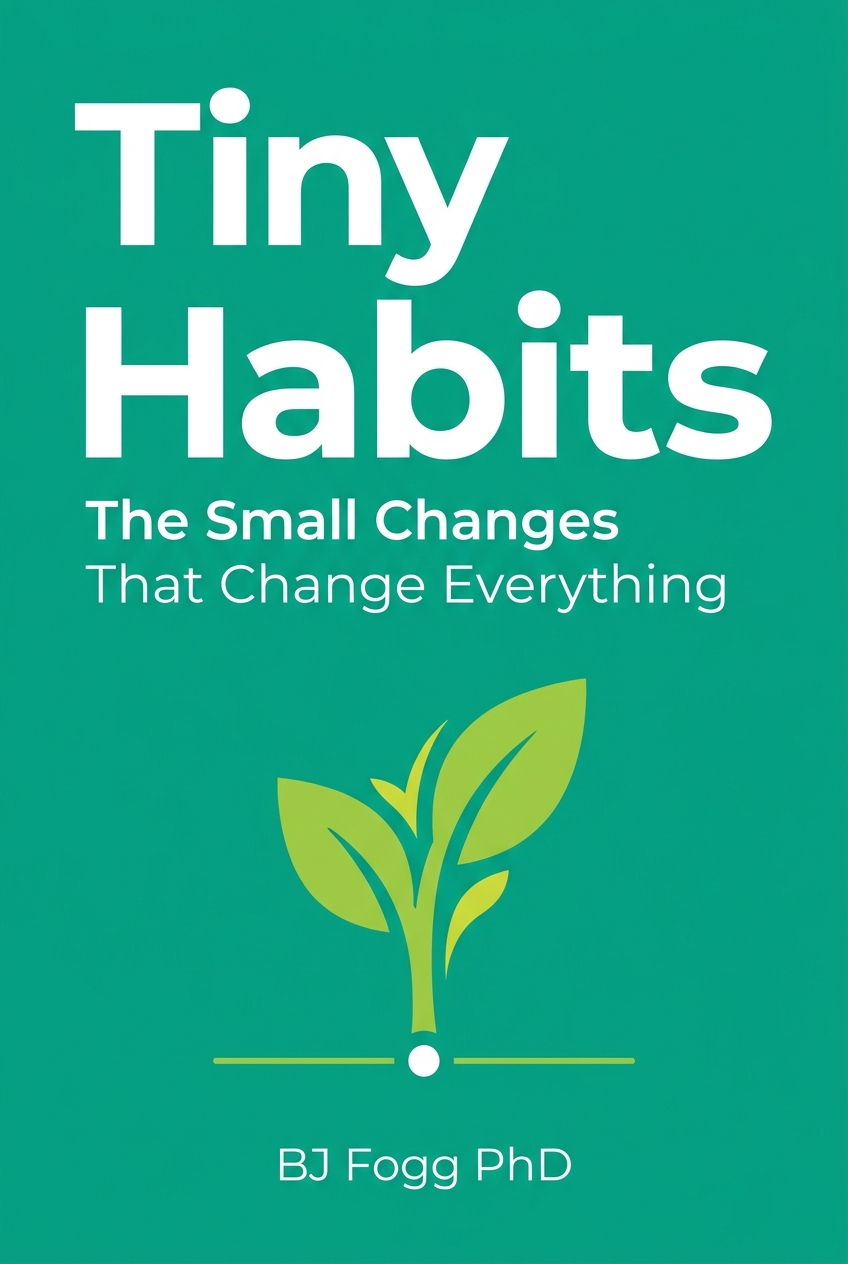
Tiny Habits
Learn the simple, effective method for building habits that actually stick.
- Behavior happens when Motivation, Ability, and a Prompt converge.
- Make new habits tiny and attach them to an existing routine (an Anchor).
- This model explains how small, negative behaviors can become ingrained.
Students looking for a simple model of how behaviors become automatic.
Learn the simple, effective method for building habits that actually stick.
High Performance Habits
Discover the six key habits that separate high achievers from everyone else.
- High performers deliberately practice habits for clarity, energy, and influence.
- These habits are the inverse of those seen in many dysfunctional lives.
- Success is a result of consistent, purposeful routines.
Professionals analyzing the traits that lead to success versus failure.
Discover the six key habits that separate high achievers from everyone else.
The Power of Self-Discipline
A practical blueprint for mastering your impulses and building willpower.
- Self-discipline is like a muscle that can be strengthened with exercise.
- Learn psychological hacks to resist temptation and stay focused.
- A lack of self-discipline is a core component of many criminal profiles.
Anyone exploring the psychological roots of impulse control disorders.
A practical blueprint for mastering your impulses and building willpower.
The Sociopath Next Door
Learn to identify the 1 in 25 people who have no conscience before they do harm.
- Sociopaths use pity plays and gaslighting to manipulate others.
- A key sign of a sociopath is a complete lack of guilt or remorse.
- You can protect yourself by recognizing their 13 common behavioral traits.
Anyone wanting to understand manipulation and protect themselves from harm.
Learn to identify the 1 in 25 people who have no conscience before they do harm.
Frequently Asked Questions
Criminal psychology focuses specifically on the minds of criminals—their thoughts, intentions, and motivations. Forensic psychology is broader, applying psychological principles to the entire legal system, including jury selection, expert testimony, and assessing competency to stand trial.
A primary challenge is relying on self-reported information from offenders, which can be unreliable or manipulative. Another is the ethical barrier to conducting direct experiments. As a result, much of the field relies on case studies and correlational data.
This list includes books that are foundational for understanding human behavior. While some, like 'The Sociopath Next Door,' are direct examinations of criminality, others focusing on habits, discipline, and mindset provide crucial context for why people make the choices they do, for good or ill.