Nonfiction Books About Marine Biology
This collection of the best books on marine biology offers a fantastic gateway to the field, providing an introduction to marine biology for curious minds. You'll explore the complex intelligence of octopuses, journey through vibrant ocean ecosystems, and grasp the core marine biology basics. These marine biology book recommendations are chosen to ignite your curiosity and deepen your appreciation for the planet's blue wonder. Curated by the VoxBrief team.
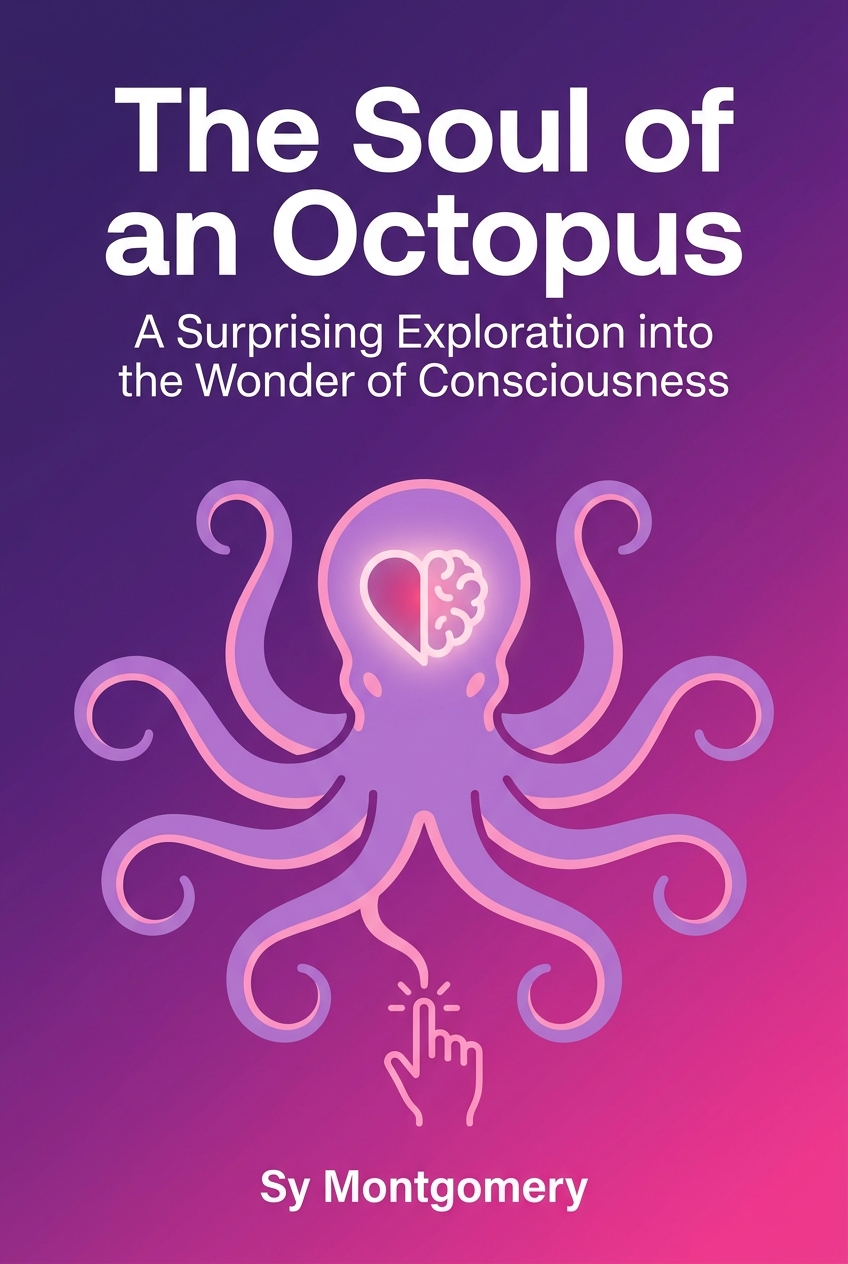
The Soul of an Octopus
Discover the astonishing intelligence and emotional depth of the octopus.
- Octopuses possess advanced problem-solving skills and distinct personalities.
- These creatures can form complex bonds with humans, challenging our view of consciousness.
- Understanding octopus intelligence deepens our connection to the animal kingdom.
Anyone curious about animal consciousness and interspecies connection.
Discover the astonishing intelligence and emotional depth of the octopus.
An Anthology of Aquatic Life
Uncover the most bizarre, beautiful, and brilliant creatures of the deep.
- Life thrives in extreme ocean environments, from trenches to sunlit reefs.
- Aquatic creatures have developed unique adaptations for survival, like bioluminescence.
- The diversity of marine life is far greater than commonly imagined.
Readers who love discovering weird and wonderful facts about animals.
Uncover the most bizarre, beautiful, and brilliant creatures of the deep.
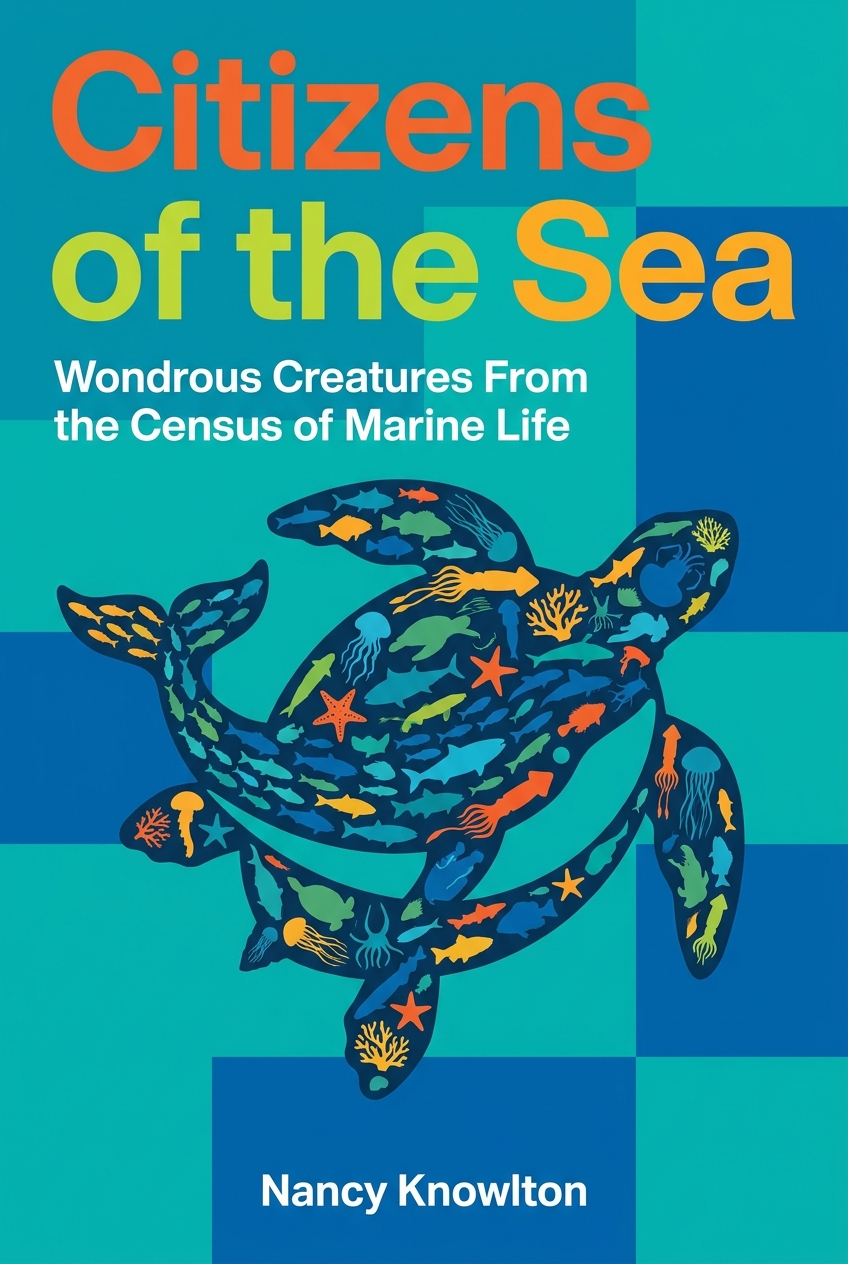
Citizens of the Sea
Join a global quest to document all life in the sea's mysterious depths.
- The Census of Marine Life cataloged thousands of previously unknown species.
- Marine biodiversity is vast and interconnected, from microbes to whales.
- Human activity profoundly impacts the health of ocean ecosystems.
Science enthusiasts interested in large-scale ecological research projects.
Join a global quest to document all life in the sea's mysterious depths.
Handbook of Whales, Dolphins, and Porpoises of the World
Become an expert at identifying whales and dolphins in the wild.
- Identify cetaceans by their fins, size, and dive patterns.
- Learn the distinct behavioral traits of over 90 different species.
- This guide is an essential tool for practical, on-site whale-watching.
Aspiring whale-watchers and naturalists seeking a practical field guide.
Become an expert at identifying whales and dolphins in the wild.
Becoming a Marine Biologist
Get a practical roadmap for turning a passion for the ocean into a career.
- A career in marine biology requires specific educational paths and skills.
- Fieldwork is a demanding but essential part of the profession.
- Success involves specialization and navigating a competitive job market.
Students and aspiring professionals planning a career in marine science.
Get a practical roadmap for turning a passion for the ocean into a career.
Creatures of the Deep
Take a scientific safari to meet the abyss's most bizarre creatures.
- Deep-sea creatures have unique adaptations for high pressure and no light.
- Bioluminescence is a key tool for communication, hunting, and defense.
- Exploration of the abyss continually reveals new, undiscovered life forms.
Fans of natural history who are fascinated by extreme environments.
Take a scientific safari to meet the abyss's most bizarre creatures.
Deep Water
See how the deep ocean has secretly shaped history and our future.
- Ocean currents and geology have influenced historical events and human migration.
- The deep sea plays a critical role in regulating the global climate.
- Understanding the deep is key to addressing future environmental challenges.
Readers interested in the intersection of history, science, and environmentalism.
See how the deep ocean has secretly shaped history and our future.
The Blue Wonder
Uncover hidden behaviors and vibrant ecosystems thriving in our oceans.
- Marine organisms communicate and collaborate in surprising ways, like fish song.
- The ocean's health relies on a delicate balance of complex interactions.
- Human actions have a direct and tangible impact on all marine life.
Curious minds looking for an engaging introduction to marine biology.
Uncover hidden behaviors and vibrant ecosystems thriving in our oceans.
Frequently Asked Questions
Marine biology is crucial because the ocean regulates Earth's climate, produces over half our oxygen, and provides food for billions. Understanding marine life helps us protect these vital functions, manage resources sustainably, and predict the impacts of climate change.
Recent discoveries include finding new species in deep-sea vents, understanding the complex communication of whales and dolphins, and learning how coral reefs adapt to warmer waters. Scientists are also uncovering the vast role of marine microbes in global nutrient cycles.
Marine biology impacts daily life through the seafood we eat, the oxygen we breathe, and the regulation of our weather patterns. Additionally, medical and biotechnological breakthroughs often come from marine organisms, leading to new medicines and sustainable products.