Books On Trauma
Understanding what is trauma and healing is the first step toward recovery. These experiences reshape our minds and bodies, but healing is possible. This list of the best trauma and healing books offers insight from leading experts on how the nervous system stores difficult memories and provides paths toward recovery. We've selected these books on trauma to provide powerful tools for understanding and moving forward, whether you're a beginner or a professional. Curated by the VoxBrief team.
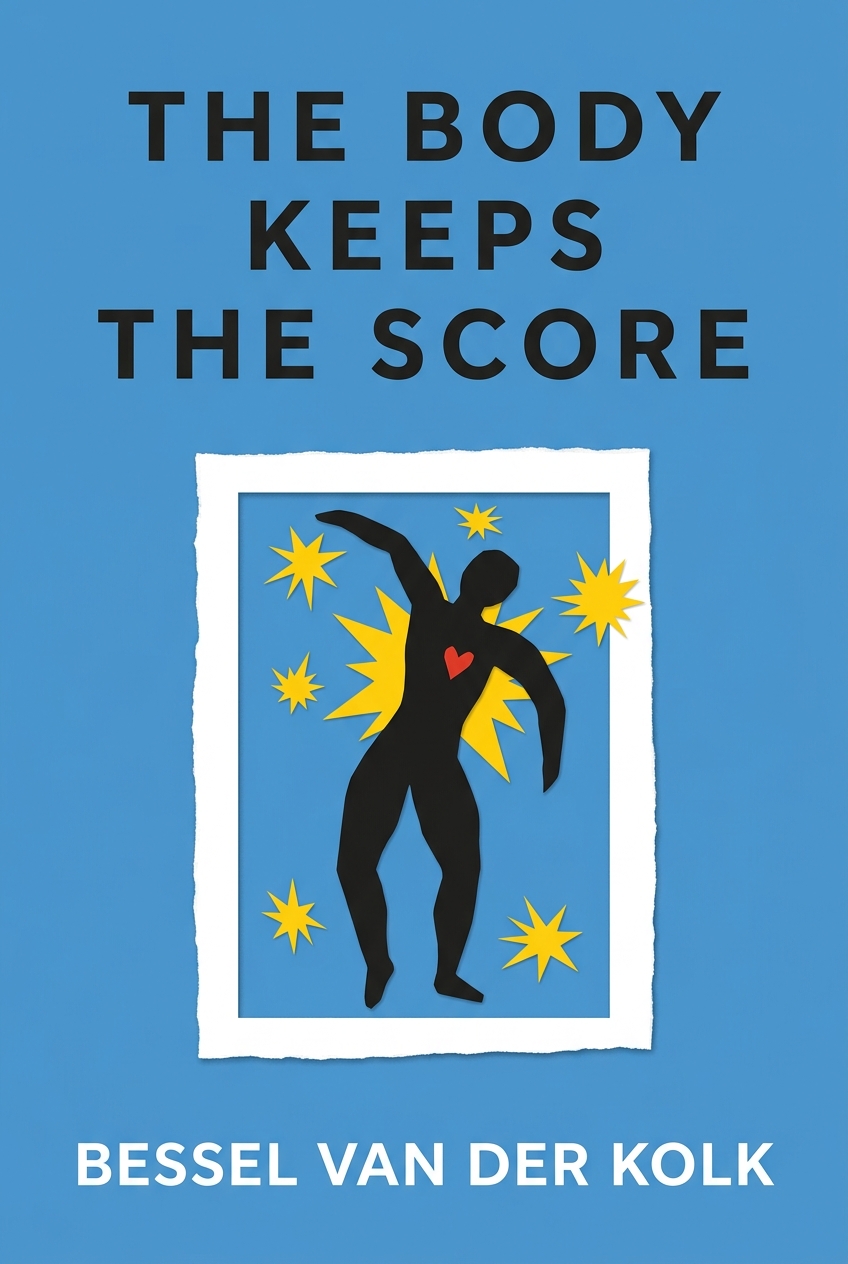
The Body Keeps the Score
Learn how trauma reshapes the body and explore body-based paths to healing.
- Trauma is stored physically in the body, not just in the mind.
- Traditional talk therapy is often insufficient for deep healing.
- Body-based practices like yoga and mindfulness can release trapped trauma.
Anyone feeling physically stuck by past events that talk therapy hasn't solved.
Learn how trauma reshapes the body and explore body-based paths to healing.
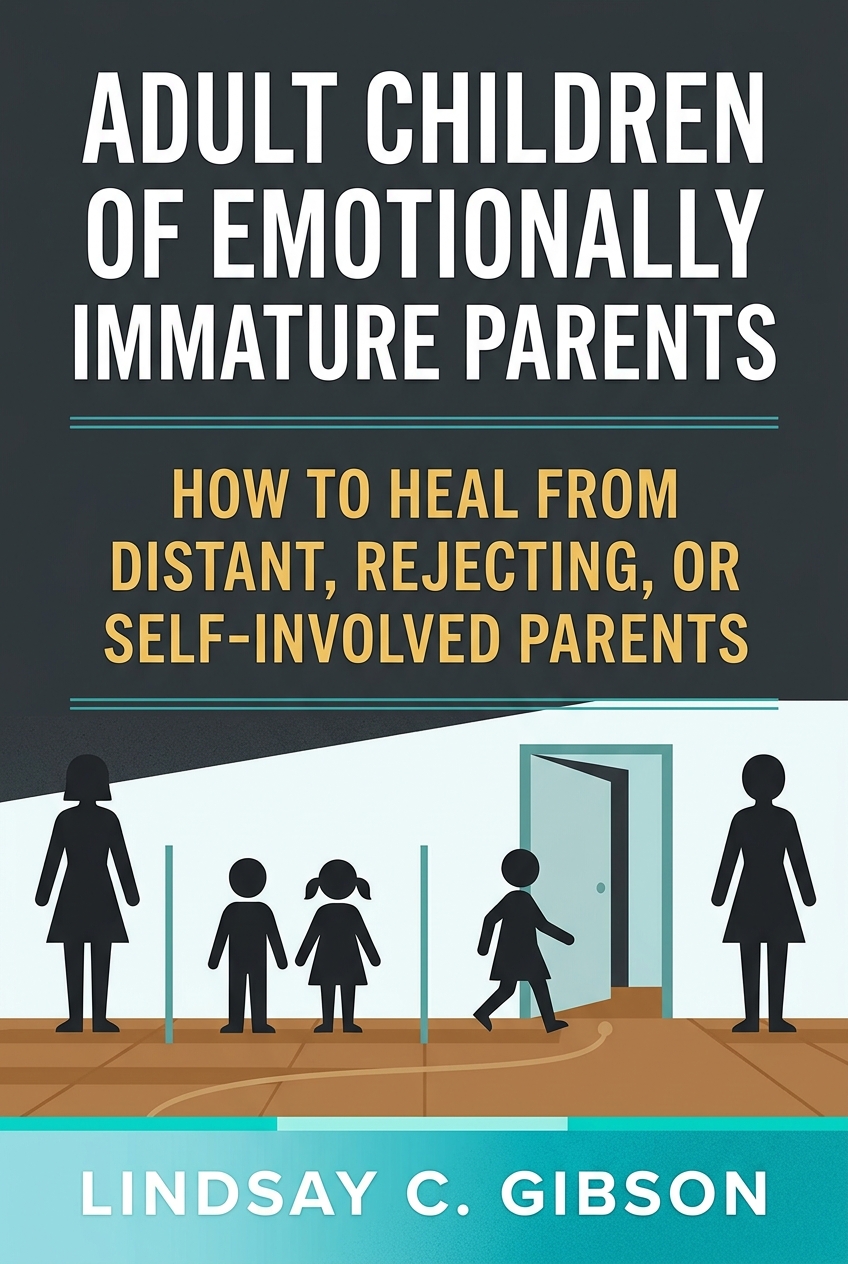
Adult Children of Emotionally Immature Parents
Recognize and heal from the effects of having emotionally immature parents.
- Identify four types of emotionally immature parents and their behaviors.
- Understand how childhood emotional neglect impacts your adult relationships.
- Learn to set boundaries and build a more authentic sense of self.
Adults who feel lonely or dismissed in their relationship with their parents.
Recognize and heal from the effects of having emotionally immature parents.
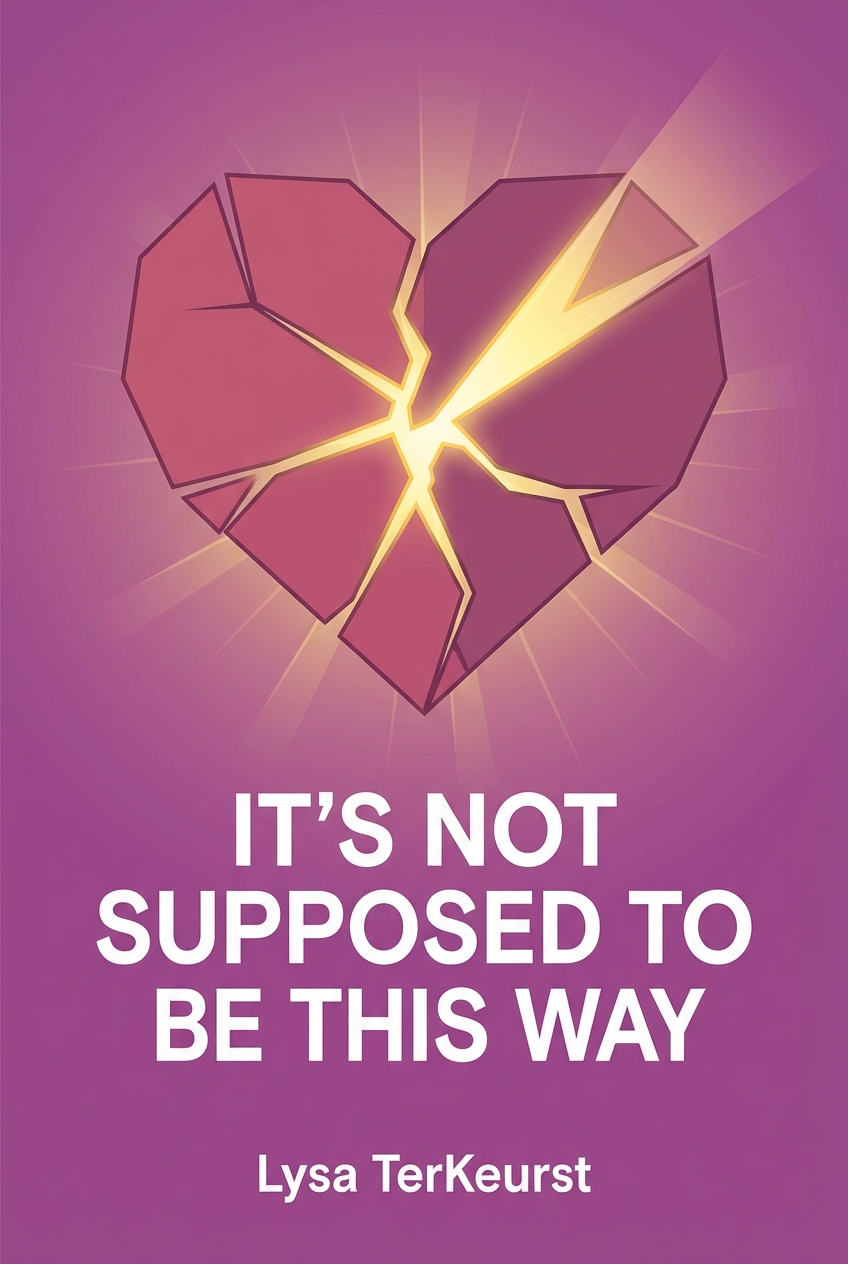
It's Not Supposed to Be This Way
Find strength and faith when life's disappointments feel overwhelming.
- Grief and disappointment are universal, but you can find God in the pain.
- Processing unmet expectations is crucial for moving forward.
- You can stand firm in faith instead of being pulled under by emotions.
Individuals grappling with grief and a crisis of faith due to hardship.
Find strength and faith when life's disappointments feel overwhelming.
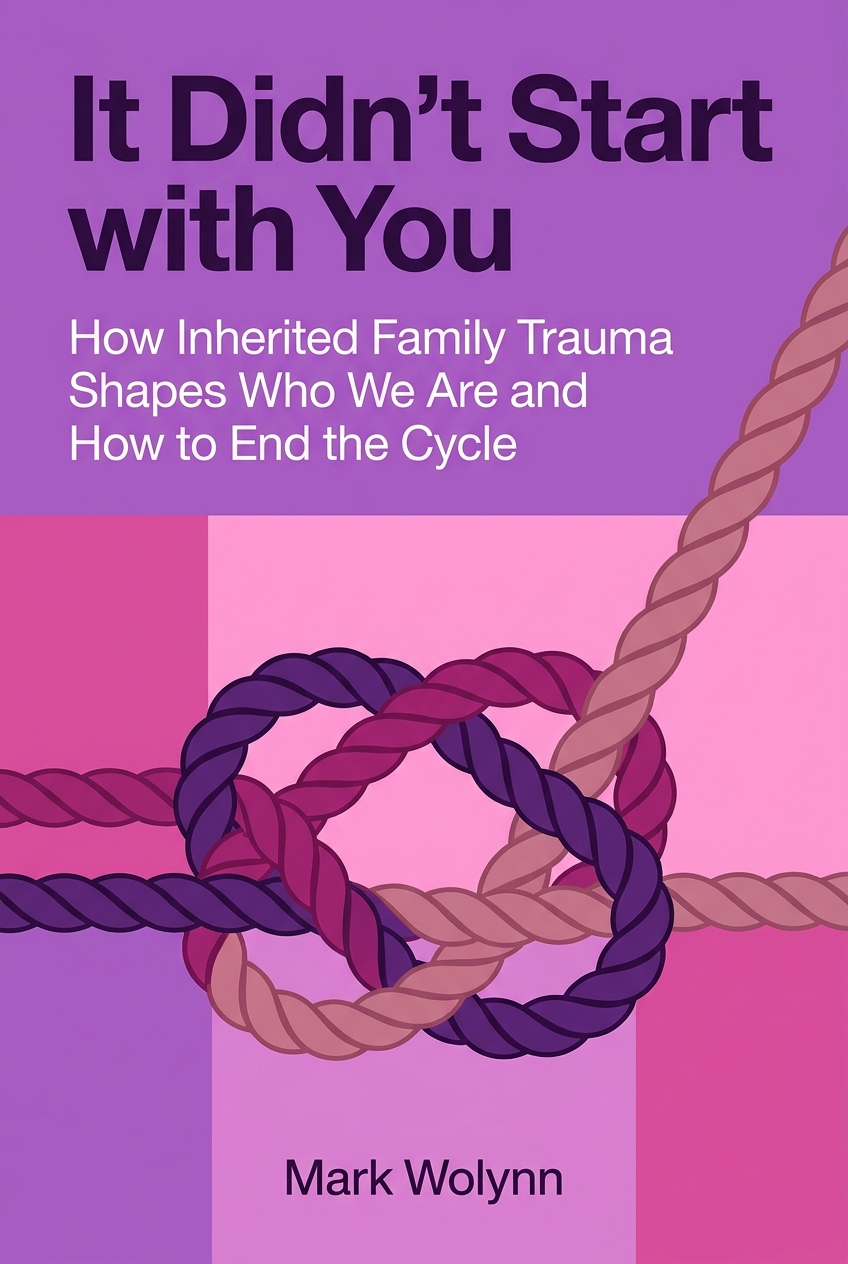
It Didn't Start with You
Explore how inherited family trauma can shape your life and how to break the cycle.
- Unspoken traumas can be passed down through generations.
- Core language can reveal the source of inherited family pain.
- Visualization and reconnection exercises can help break inherited patterns.
People repeating patterns of anxiety or struggle that don't feel their own.
Explore how inherited family trauma can shape your life and how to break the cycle.
Complex PTSD
A roadmap for healing from chronic childhood trauma and its lingering effects.
- Recognize the four trauma responses: fight, flight, freeze, and fawn.
- Learn to manage emotional flashbacks and shrink your inner critic.
- Develop self-compassion to heal your wounded inner child.
Survivors of childhood abuse or neglect looking for practical healing tools.
A roadmap for healing from chronic childhood trauma and its lingering effects.

The Boy Who Was Raised as a Dog
Discover how childhood adversity impacts brain development and what it takes to heal.
- The brain develops sequentially, and early trauma disrupts this process.
- Relational connection is more healing than specific therapeutic techniques.
- Small, consistent doses of nurturing care can help rewire a traumatized brain.
Therapists, educators, or anyone working with at-risk children.
Discover how childhood adversity impacts brain development and what it takes to heal.
No Bad Parts
A revolutionary guide to healing your inner 'parts' using the IFS model.
- Your psyche is made of 'parts'—none of which are inherently bad.
- Wounded parts adopt extreme roles to protect you from pain.
- You can connect with your core Self to heal and integrate all your parts.
Individuals who feel at war with themselves and want to practice self-compassion.
A revolutionary guide to healing your inner 'parts' using the IFS model.
The Deepest Well
Uncover the link between Adverse Childhood Experiences (ACEs) and adult health.
- Childhood adversity is a major risk factor for adult physical and mental illness.
- High ACE scores correlate with chronic diseases like heart disease and depression.
- Early detection and intervention can mitigate the long-term effects of ACEs.
Healthcare professionals and people seeking to understand their health issues.
Uncover the link between Adverse Childhood Experiences (ACEs) and adult health.
Waking the Tiger
Learn to release trapped traumatic energy from your body for lasting relief.
- Trauma is an incomplete biological response, not a purely psychological disorder.
- Animals in the wild naturally discharge traumatic energy and rarely suffer from PTSD.
- Somatic Experiencing helps you gently unfreeze this energy and restore balance.
Those with anxiety or physical symptoms that other therapies haven't helped.
Learn to release trapped traumatic energy from your body for lasting relief.
On Killing
The startling psychology of what it takes for a soldier to kill in combat.
- Most healthy humans have a deep, innate resistance to killing other people.
- Military training systematically desensitizes soldiers to overcome this resistance.
- The act of killing, even in combat, often leads to significant psychological trauma.
Military personnel, historians, or those interested in the psychology of warfare.
The startling psychology of what it takes for a soldier to kill in combat.
Healing from Hidden Abuse
Identify and recover from the soul-crushing effects of psychological abuse.
- Psychological abuse follows a predictable pattern, including love bombing and gaslighting.
- Recovery involves six distinct stages, from devastation to maintenance.
- Validation and understanding are the first crucial steps toward healing.
Anyone feeling confused or drained by a relationship they can't quite define.
Identify and recover from the soul-crushing effects of psychological abuse.
Getting Past Your Past
Use principles from EMDR therapy to reprocess painful memories and break free.
- Your brain stores unprocessed memories improperly, causing present-day triggers.
- EMDR therapy helps the brain reprocess memories so they lose their emotional charge.
- You can use simplified, self-help exercises to calm your emotional reactions.
People who feel their past reactions are hijacking their present-day life.
Use principles from EMDR therapy to reprocess painful memories and break free.
101 Trauma-Informed Interventions
A complete toolkit of ready-to-use exercises for trauma therapists.
- Effective trauma therapy requires a toolkit of diverse interventions.
- Interventions should focus on safety, grounding, and creative expression.
- Activities are organized by therapeutic stage for easy implementation.
Therapists, counselors, and social workers looking for practical client exercises.
A complete toolkit of ready-to-use exercises for trauma therapists.
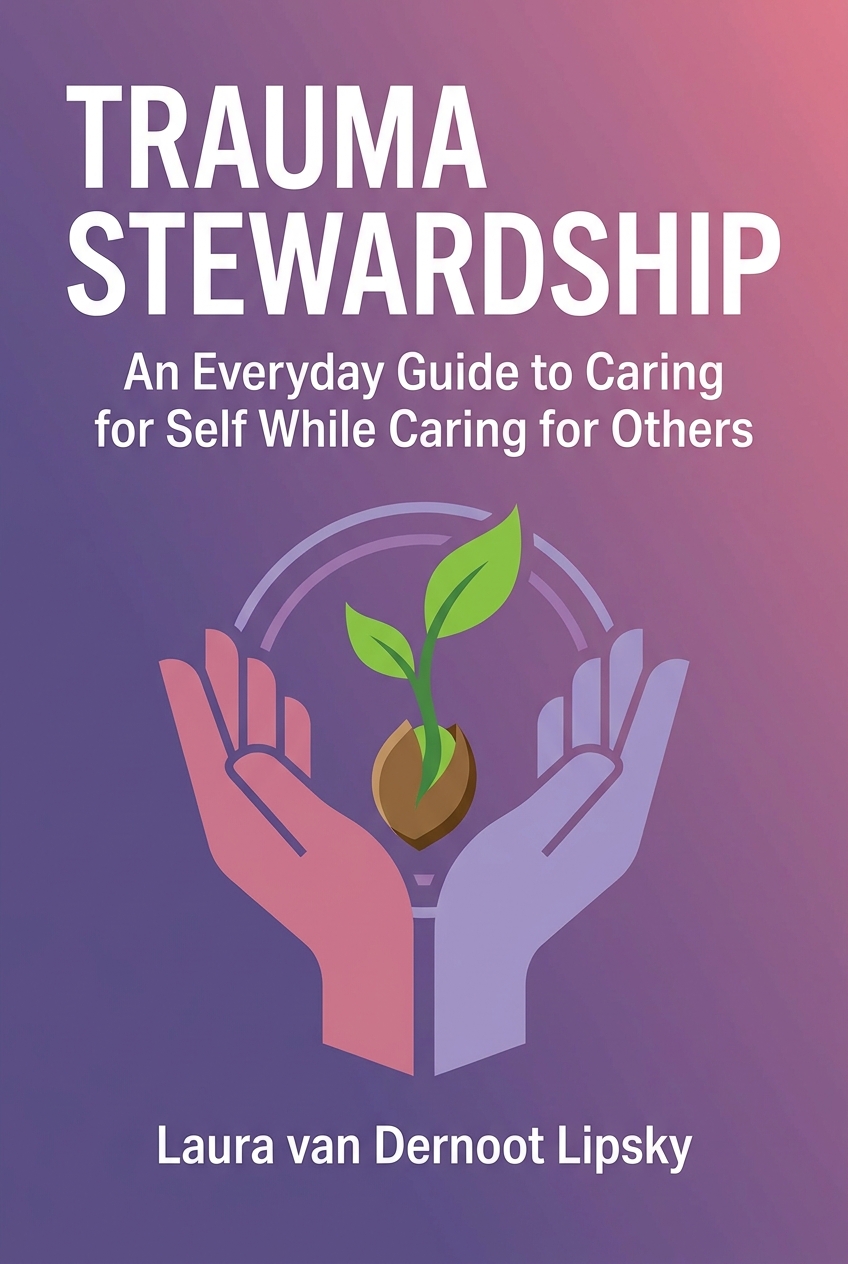
Trauma Stewardship
A guide for caregivers to manage secondary trauma and prevent burnout.
- Witnessing others' trauma has a significant psychological and physical toll.
- Recognize the 16 warning signs of trauma exposure response.
- Daily practices and clear boundaries are key to sustainable caregiving.
First responders, advocates, or anyone in a helping profession feeling burnt out.
A guide for caregivers to manage secondary trauma and prevent burnout.
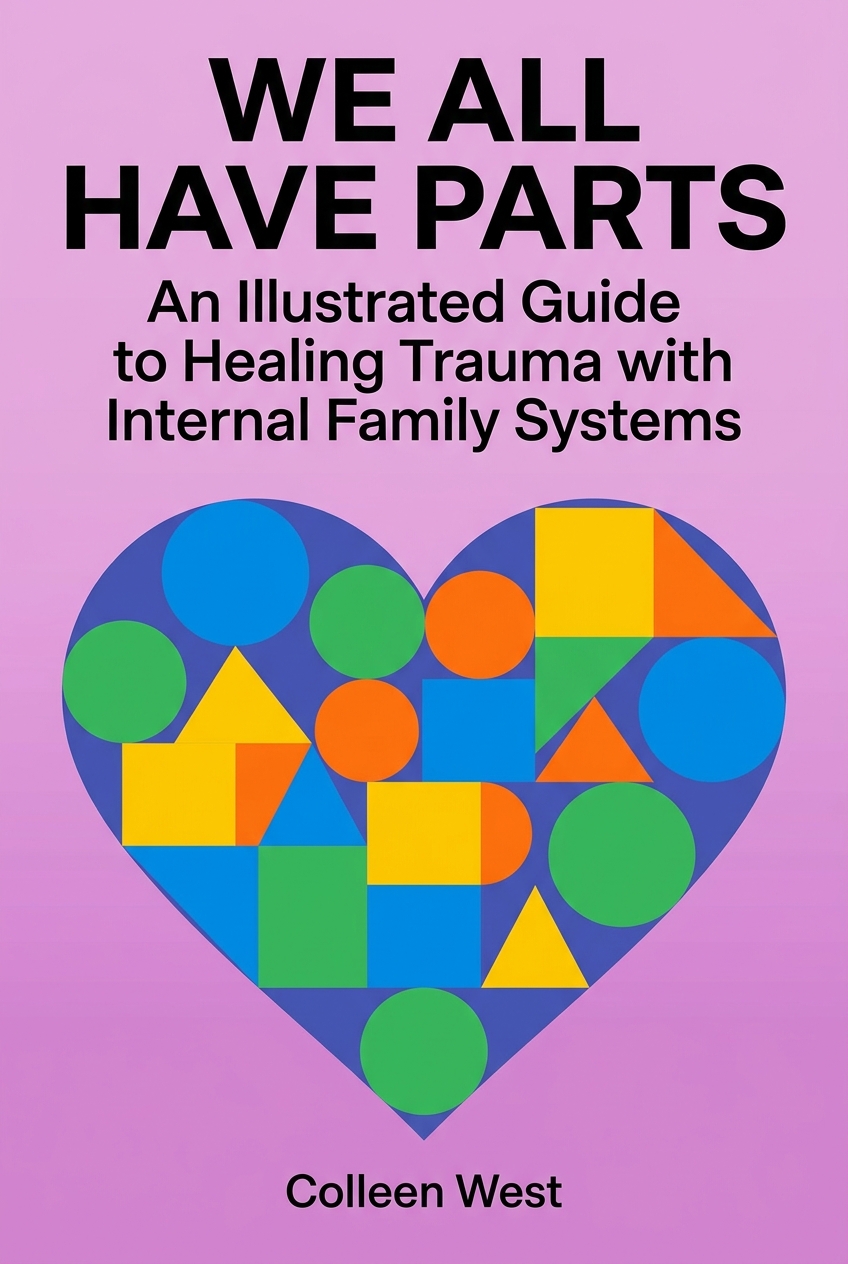
We All Have Parts
A simple, illustrated guide to understanding your inner world with IFS.
- Internal Family Systems (IFS) is an accessible method for self-healing.
- Learn to identify your 'parts,' like the inner critic and anxious worrier.
- By listening to your parts, you can unburden their pain and find inner peace.
Visual learners and beginners seeking a non-clinical introduction to IFS therapy.
A simple, illustrated guide to understanding your inner world with IFS.
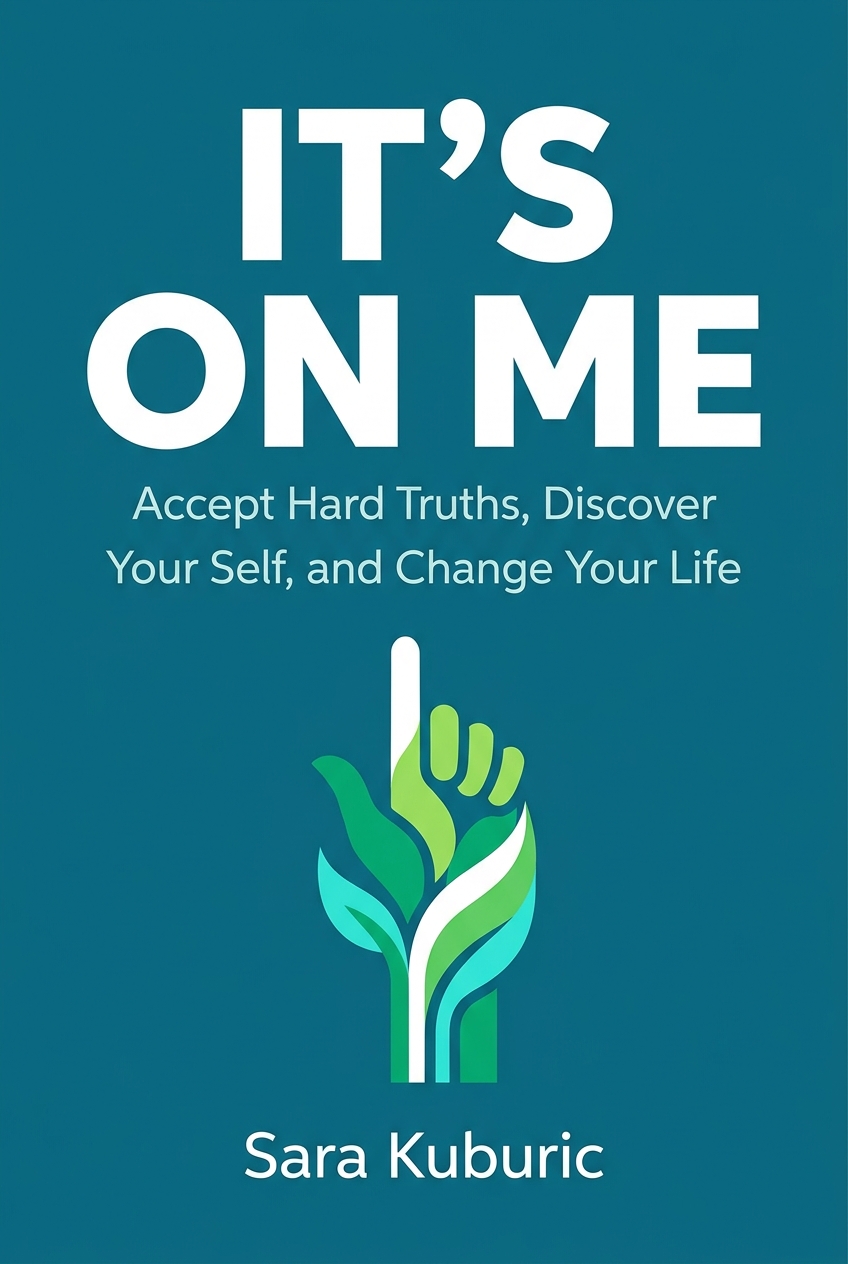
It's On Me
Take radical responsibility for your life to break free from victimhood.
- Blaming others or circumstances keeps you powerless and stuck.
- Embracing self-responsibility is the key to authentic living and healing.
- You can identify and change your self-sabotaging patterns.
Anyone tired of feeling stuck and ready to take control of their own happiness.
Take radical responsibility for your life to break free from victimhood.
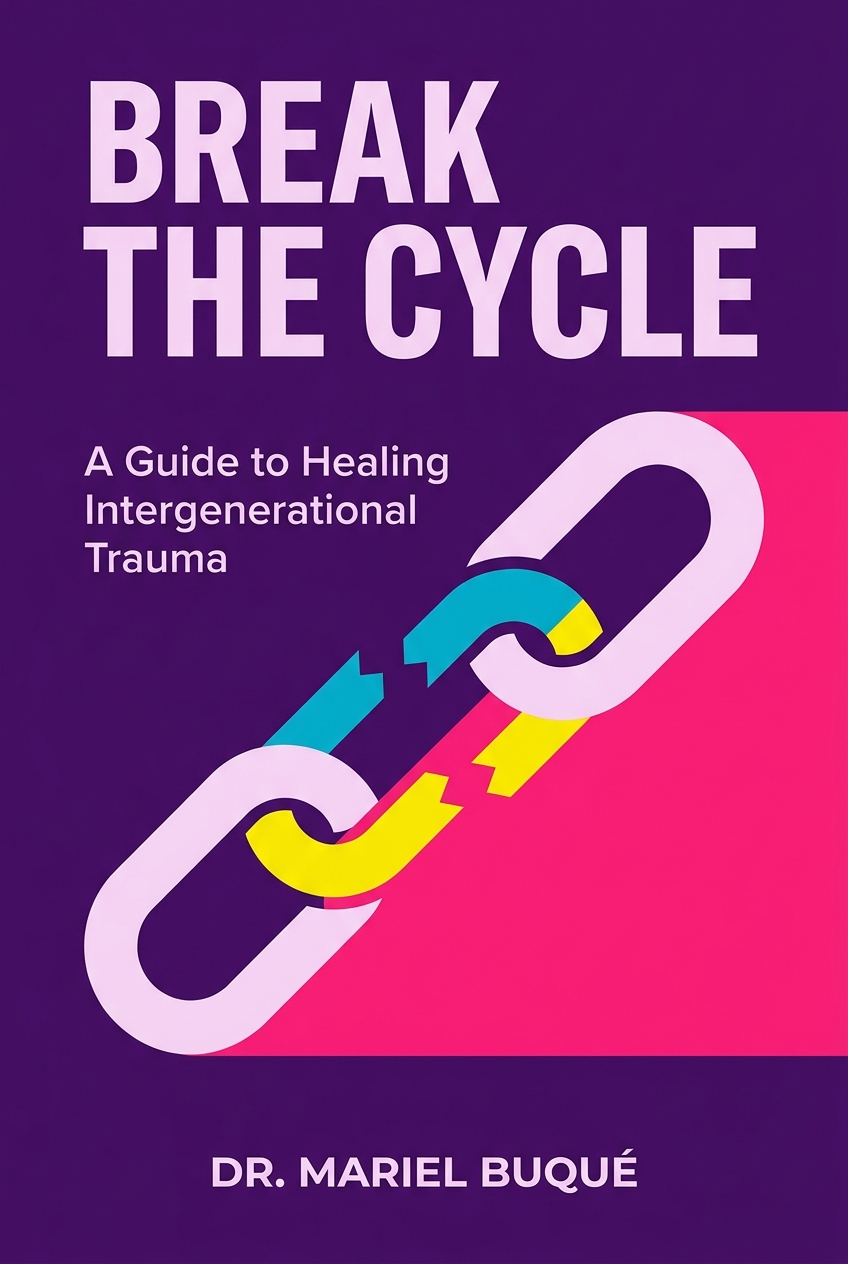
Break the Cycle
Heal from inherited family trauma with a powerful four-step plan.
- Trauma can be passed down through generations, affecting your mental health.
- A four-step plan helps you identify, connect with, and heal these wounds.
- Nurturing your inner child is essential for breaking the cycle of trauma.
People who recognize unhealthy family dynamics and want to stop the pattern.
Heal from inherited family trauma with a powerful four-step plan.
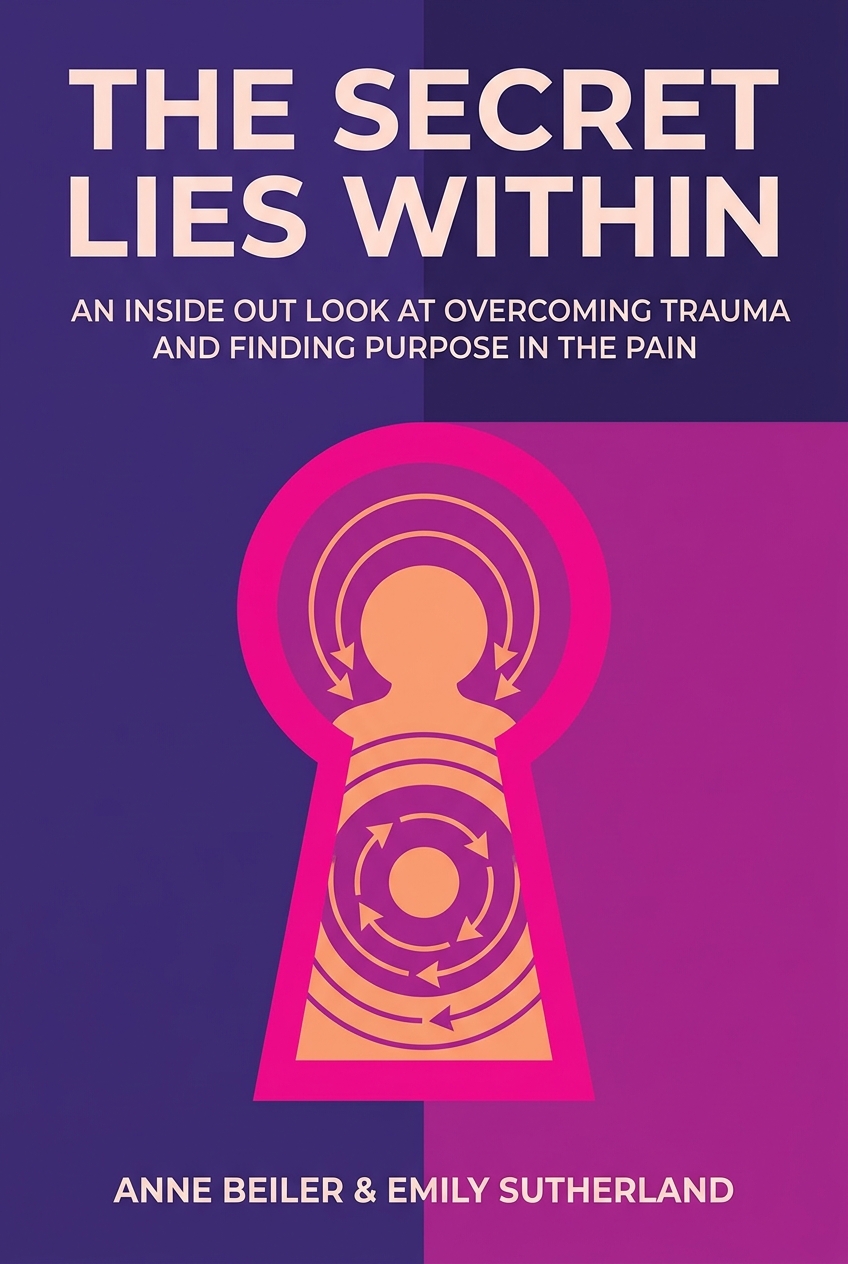
The Secret Lies Within
An inspiring true story on transforming your deepest pain into purpose.
- Your secrets and shame lose their power when brought into the light.
- Confronting painful memories is the first step to breaking free from them.
- You can reframe your past trauma as a source of strength and purpose.
Individuals looking for an inspirational, faith-based story of overcoming trauma.
An inspiring true story on transforming your deepest pain into purpose.
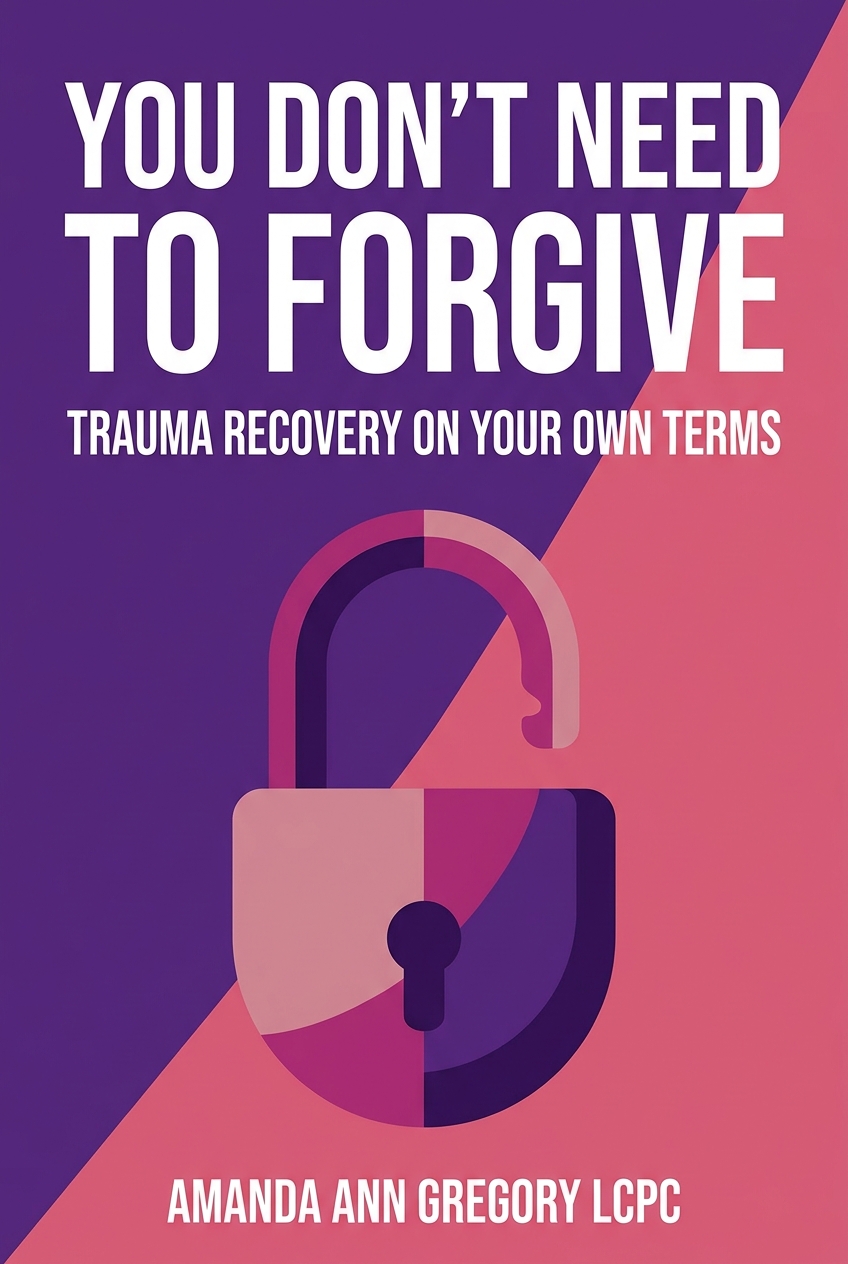
You Don't Need to Forgive
Discover a path to healing from trauma that doesn't require forgiveness.
- The pressure to forgive can be a roadblock to genuine healing.
- You can reclaim your power without offering forgiveness to your abuser.
- Processing pain and setting boundaries are valid paths to recovery on your own terms.
Trauma survivors who feel guilty or stuck by the societal pressure to forgive.
Discover a path to healing from trauma that doesn't require forgiveness.
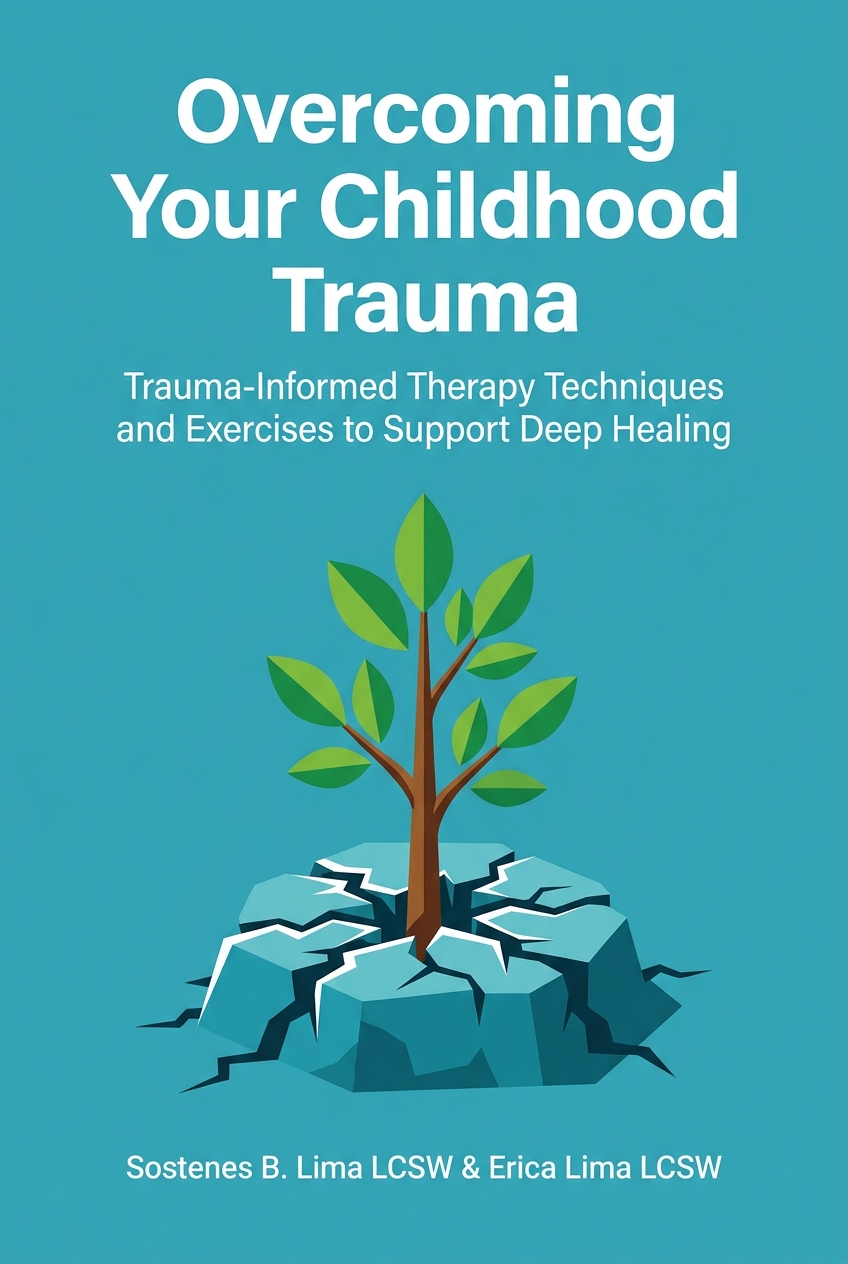
Overcoming Your Childhood Trauma
A clear, compassionate guide with practical exercises for healing from your past.
- Use powerful, trauma-informed therapy techniques on yourself.
- Practical exercises can help regulate your nervous system and reframe memories.
- Developing deep self-compassion is a cornerstone of recovery.
Anyone ready to actively work through childhood trauma using self-help exercises.
A clear, compassionate guide with practical exercises for healing from your past.
Frequently Asked Questions
Yes, absolutely. Healing from trauma is a journey, and it can be significantly improved. With the right knowledge and coping strategies, individuals can process painful experiences, regulate their nervous systems, and build more resilient, fulfilling lives.
Struggling is a normal part of the process. Trauma changes the brain and nervous system, creating patterns that are hard to break. Factors like the type of trauma, lack of support, and family history can make healing more complex, but the right resources can help you find a tailored path forward.
Long-term healing involves building a toolkit of supportive practices. This often includes developing self-compassion, learning to regulate your emotions, setting healthy boundaries, and engaging in body-based practices like yoga or mindfulness. The goal is not to erase the past but to integrate it in a healthy way.
For beginners, 'The Body Keeps the Score' is essential for understanding the science of how trauma affects the body. If you suspect childhood emotional neglect is a factor, 'Adult Children of Emotionally Immature Parents' is a highly accessible and validating place to start.