Unlocking Your Voice: A Guide to Assertiveness Training Books
By VoxBrief Team··6 min read
Do you ever find yourself saying "yes" to a request while your mind is screaming "no"? Or perhaps you stay silent in a meeting, only to regret not sharing your valuable idea later. This experience is incredibly common, and it points to a skill many of us were never taught: assertiveness. The good news is that it’s a skill you can learn, and a powerful way to begin is by exploring the wisdom found in assertiveness training books.
This guide won't just list titles; it will delve into the core principles of assertiveness, drawing on key concepts from leading authors in the field. We'll explore what assertiveness is, why it's so important for your well-being, and how you can begin developing this life-changing skill today.
The Foundation: What Assertiveness Really Is
Before diving into techniques, it's crucial to understand what assertiveness is—and what it isn't. Assertiveness is the healthy middle ground between passivity and aggression. It's about expressing your thoughts, feelings, and needs in a direct, honest, and respectful way.
Let’s look at a quick set of assertiveness examples:
Passive: Your boss asks you to stay late for the third time this week, and you agree, even though you have other commitments. You feel resentful but say nothing.
Aggressive: You snap back at your boss, "You're always dumping work on me! It's completely unfair and I'm not doing it."
Assertive: You respond, "I understand this is important, but I have a prior commitment and can't stay late tonight. I can help with this first thing in the morning."
So, why is assertiveness important? It's the key to self-respect. When you consistently act passively, you teach others that your needs don't matter. When you act aggressively, you damage relationships and create conflict. Assertiveness allows for standing up for yourself while maintaining respect for others. This skill is vital not just in personal relationships but especially for professionals navigating assertiveness in the workplace, where clear communication can prevent misunderstandings and burnout.
Core Skills Learned from Assertiveness Training Books
Many excellent assertiveness training books go beyond simple scripts. They teach that true assertiveness begins with an internal shift before you even say a word. The most effective methods focus on both the inner mindset and the outer communication strategy.
The Inner Game: Overcoming Fear and Guilt
One of the biggest obstacles to assertiveness is fear: fear of disapproval, fear of conflict, or fear of being seen as selfish. Dr. Aziz Gazipura, in his book Not Nice, argues that many of us are trapped in a "nice" persona, where we prioritize pleasing others at our own expense. He makes a powerful point: speaking up is 90% inner game and 10% strategy. The real work is giving yourself permission to have needs and to value them as much as you value the needs of others.
This inward-looking approach is a cornerstone of how to develop assertiveness. It involves confronting the guilt that often accompanies saying no or setting a boundary. This challenge is also central to the philosophy in The Courage to Be Disliked, which draws on Adlerian psychology. The book argues that true freedom comes from the "separation of tasks"—realizing that your job is to express your needs respectfully, but how the other person reacts is their task, not yours. You cannot control their feelings, and trying to do so is the root of people-pleasing. This is a vital concept for assertiveness for beginners, as it frees you from the burden of managing everyone else's emotions.
The Art of Setting Boundaries
Once you’ve started the inner work, the next step is applying it externally through setting boundaries. Boundaries are the invisible lines we draw to protect our time, energy, and emotional well-being. They are not walls to shut people out, but gates that we control.
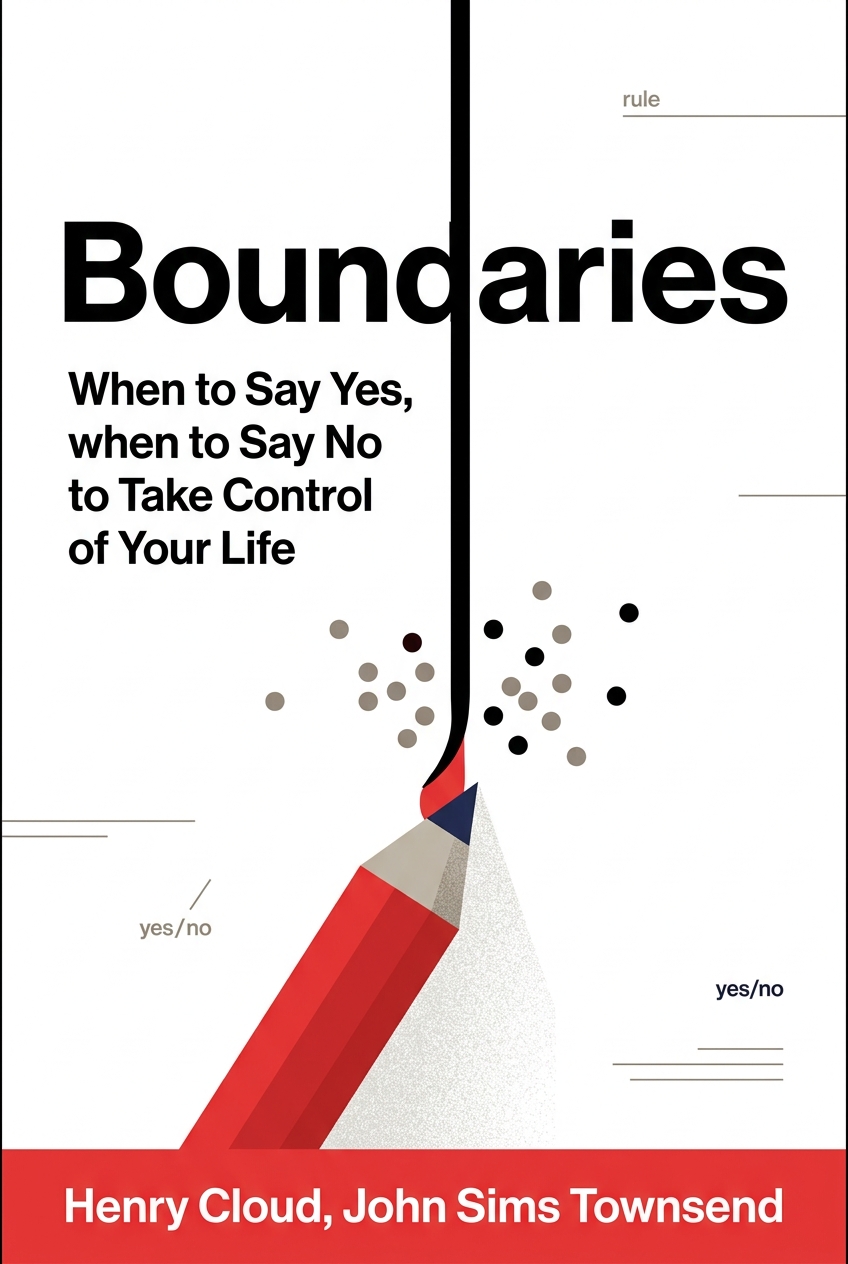
The classic book Boundaries, by Dr. Henry Cloud and Dr. John Townsend, provides a comprehensive framework for this. The authors explain that boundaries help you take control of your life and stop feeling like a victim of circumstance. Whether for assertiveness for students struggling with peer pressure or for professionals overwhelmed by requests, boundaries are essential. A key insight from their work is that growth requires both truth and grace within a community. It’s not about coldly enforcing rules but about communicating your limits within a context of care for the relationship.
This is one of the most practical assertiveness techniques. When you say no to an extra project at work or a social event you don't have the energy for, you are not rejecting the person; you are protecting your own resources so you can show up fully when you do say yes.
Mastering Assertive Communication
With a stronger inner foundation and a clear understanding of your boundaries, you can focus on the specifics of assertive communication. This is where conflict resolution skills become paramount, because expressing a different opinion or a need can sometimes lead to a tense moment.
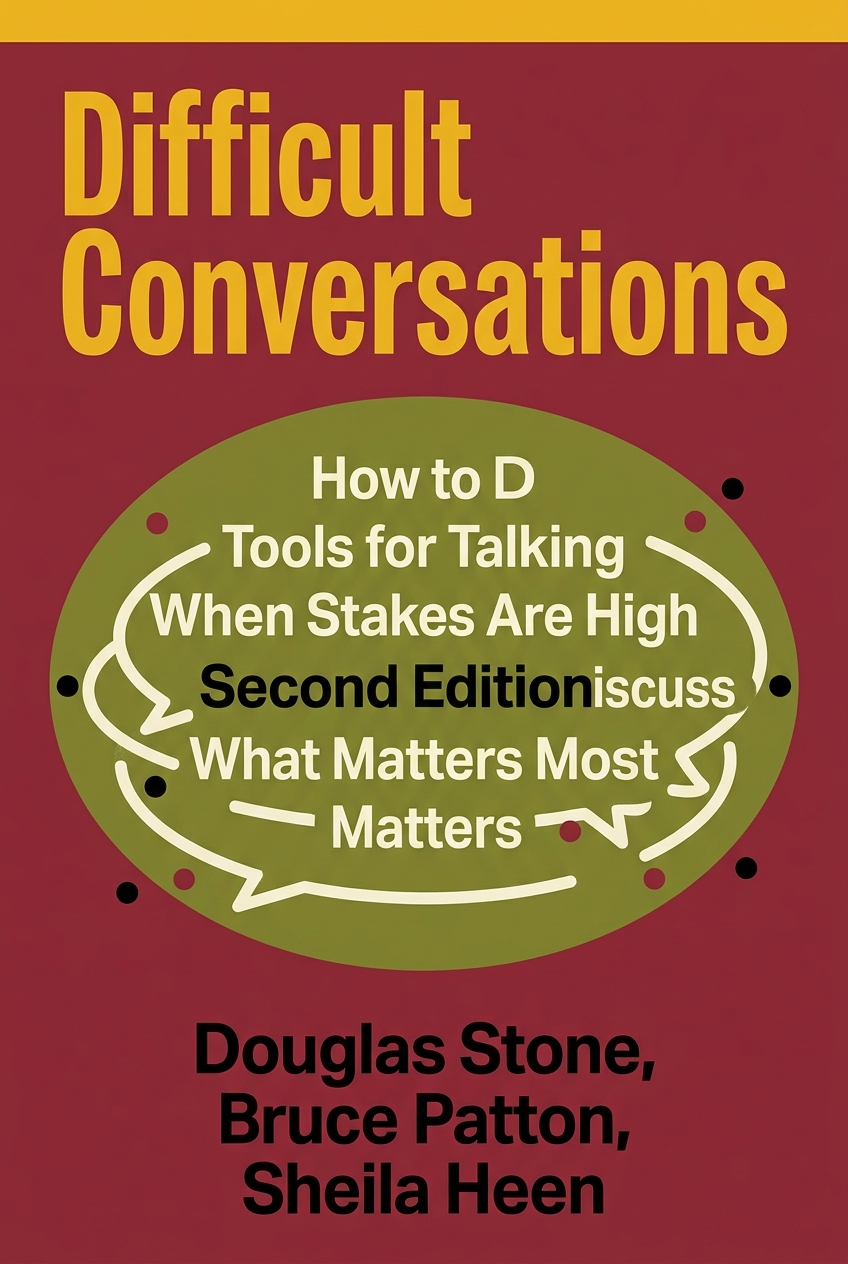
Many of the best assertiveness books provide structured methods for these conversations. For instance, in Difficult Conversations, authors Douglas Stone, Bruce Patton, and Sheila Heen introduce a game-changing framework. They explain that every hard talk is actually "Three Conversations" happening at once:
The "What Happened?" Conversation: We often get stuck here, arguing about who is right and who is wrong. The authors urge a shift from blame to contribution. Instead of asking, "Whose fault is this?" ask, "How did we each contribute to this situation?" This immediately lowers defenses and opens the door for a productive dialogue.
The Feelings Conversation: Many of us try to suppress emotions, especially at work. However, the authors argue that unexpressed feelings always leak out, often as sarcasm, passive-aggression, or a short temper. A key assertiveness tip is to acknowledge emotions (yours and theirs) as a legitimate part of the conversation without judgment.
The Identity Conversation: This is the internal conversation we have with ourselves about what the situation means for us. If someone gives you critical feedback, you might wonder, "Am I incompetent?" Being aware of this internal trigger helps you stay grounded and not overreact.
Understanding this framework transforms how to improve assertiveness, especially assertiveness at work, because it gives you a practical map for navigating high-stakes discussions without getting lost in blame or emotion.
Putting Assertiveness into Practice
Learning about assertiveness is one thing; applying it is another. The goal is to integrate these skills into your daily life until they become second nature.
Assertiveness in the Workplace
The professional world is a key arena for practicing assertiveness. For many assertiveness for professionals, the power dynamics can make speaking up feel risky. However, a lack of assertiveness can lead to being overlooked for promotions, taking on an unsustainable workload, and feeling disengaged.
Here's how to apply these principles:
Giving feedback: Use the contribution model from Difficult Conversations. Instead of, "You missed the deadline," try, "I noticed the deadline was missed. Let's talk about what happened so we can make sure the process works better next time."
Saying no to your boss: Frame your "no" in the context of shared goals. For example, "I want to give that project my full attention. To do that, I'll need to deprioritize X and Y. Does that work for you, or should we re-evaluate my current workload?"
In meetings: If you have an idea, don't wait for the perfect moment. State it clearly: "I have a thought on that," or "I see it a bit differently."
Common Assertiveness Mistakes to Avoid
As you begin your journey, you'll likely make some missteps. Answering the question of common assertiveness mistakes helps us learn faster. Here are a few to watch out for:
The Aggression Overcorrection: In an effort to stop being passive, some people swing the pendulum too far and become aggressive. Remember, assertiveness respects both parties.
The Apology Sandwich: Softening a clear boundary with too many apologies (e.g., "I'm so, so sorry, but I really can't, I feel terrible about it...") undermines your message and signals that you're open to negotiation.
Boundary Leakage: You successfully say no, but the other person pushes back with a guilt trip, and you relent. Holding a boundary, especially the first few times, is the hardest part. Stay firm and kindly repeat your position if necessary.
Developing assertiveness is a marathon, not a sprint. It takes courage, practice, and a great deal of self-compassion. The concepts and models found in leading books provide a roadmap, but you are the one who has to take the first step. By starting small, celebrating your progress, and learning from your mistakes, you can build the skill to express yourself authentically and create a life that is more aligned with your own values and needs.
Master key ideas in 15 minutes
Listen to audio summaries of these books on VoxBrief
Assertiveness is crucial for protecting your mental well-being and fostering healthy relationships. It allows you to express your needs and set boundaries, which reduces stress, resentment, and the risk of burnout, both personally and professionally.
Start small. Practice stating your preference on minor decisions, like where to eat. Use "I" statements to express your feelings, such as "I feel overwhelmed when..." instead of blaming others. Each small step builds confidence for bigger challenges.
A common mistake is confusing assertiveness with aggression, leading to overly forceful communication. Another is "boundary leakage"—setting a boundary and then immediately giving in due to guilt. It's also easy to over-apologize, which can undermine your message.
While many titles offer great value, the best books for assertiveness often combine internal mindset shifts with practical communication techniques. Look for resources that teach you not just *what* to say, but also how to overcome the fear and guilt that hold you back from speaking up.