Bite
What's it about
Ever wondered what happens when the supernatural gets personal? This collection plunges you into a world where vampires aren't just mythical monsters—they're your neighbors, your lovers, and your deadliest enemies. Get ready to explore the darker side of desire and danger. You'll discover five thrilling tales from the masters of urban fantasy, including Laurell K. Hamilton and Charlaine Harris. Uncover the secrets of a vampire-run nightclub, follow a PI on a blood-soaked case, and see what happens when a simple bite changes a life forever. These aren't fairytales; they're gritty, seductive stories about survival.
Meet the author
As a 1 New York Times bestselling author, Charlaine Harris is a titan of the urban fantasy genre, celebrated for creating the iconic Sookie Stackhouse series. Her unparalleled success stems from a lifelong fascination with the supernatural and a unique talent for blending mystery, romance, and folklore. Harris's deep understanding of what makes paranormal worlds compelling gives her a distinctive voice in modern fantasy, offering readers both thrilling adventures and characters with profound human depth.
What's it about
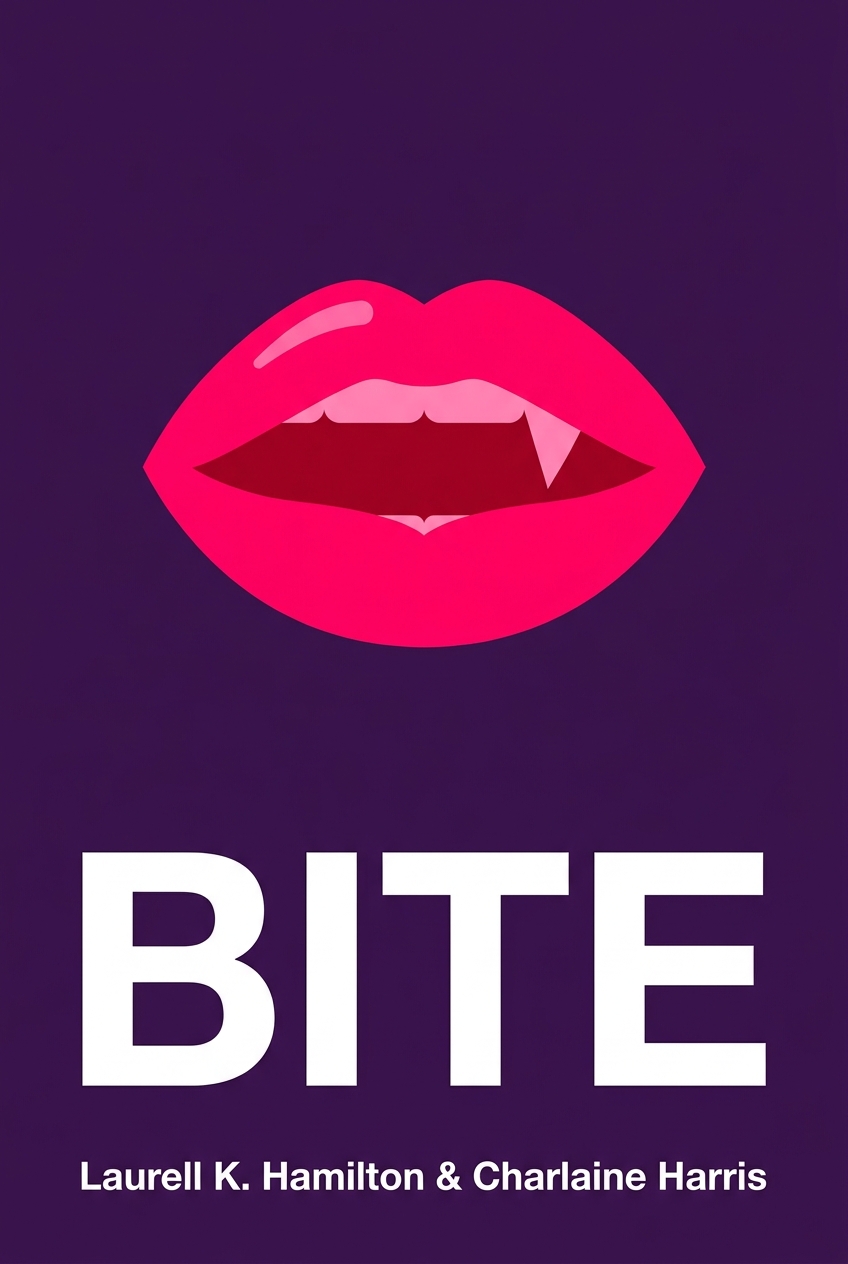
Ever wondered what happens when the supernatural gets personal? This collection plunges you into a world where vampires aren't just mythical monsters—they're your neighbors, your lovers, and your deadliest enemies. Get ready to explore the darker side of desire and danger. You'll discover five thrilling tales from the masters of urban fantasy, including Laurell K. Hamilton and Charlaine Harris. Uncover the secrets of a vampire-run nightclub, follow a PI on a blood-soaked case, and see what happens when a simple bite changes a life forever. These aren't fairytales; they're gritty, seductive stories about survival.
Meet the author
As a 1 New York Times bestselling author, Charlaine Harris is a titan of the urban fantasy genre, celebrated for creating the iconic Sookie Stackhouse series. Her unparalleled success stems from a lifelong fascination with the supernatural and a unique talent for blending mystery, romance, and folklore. Harris's deep understanding of what makes paranormal worlds compelling gives her a distinctive voice in modern fantasy, offering readers both thrilling adventures and characters with profound human depth.
The Script
You've reached the end of the free preview.