By Melody Beattie
Codependent No More: How to Stop Controlling Others and Start Caring for Yourself Second (2nd) Edition
What's it about
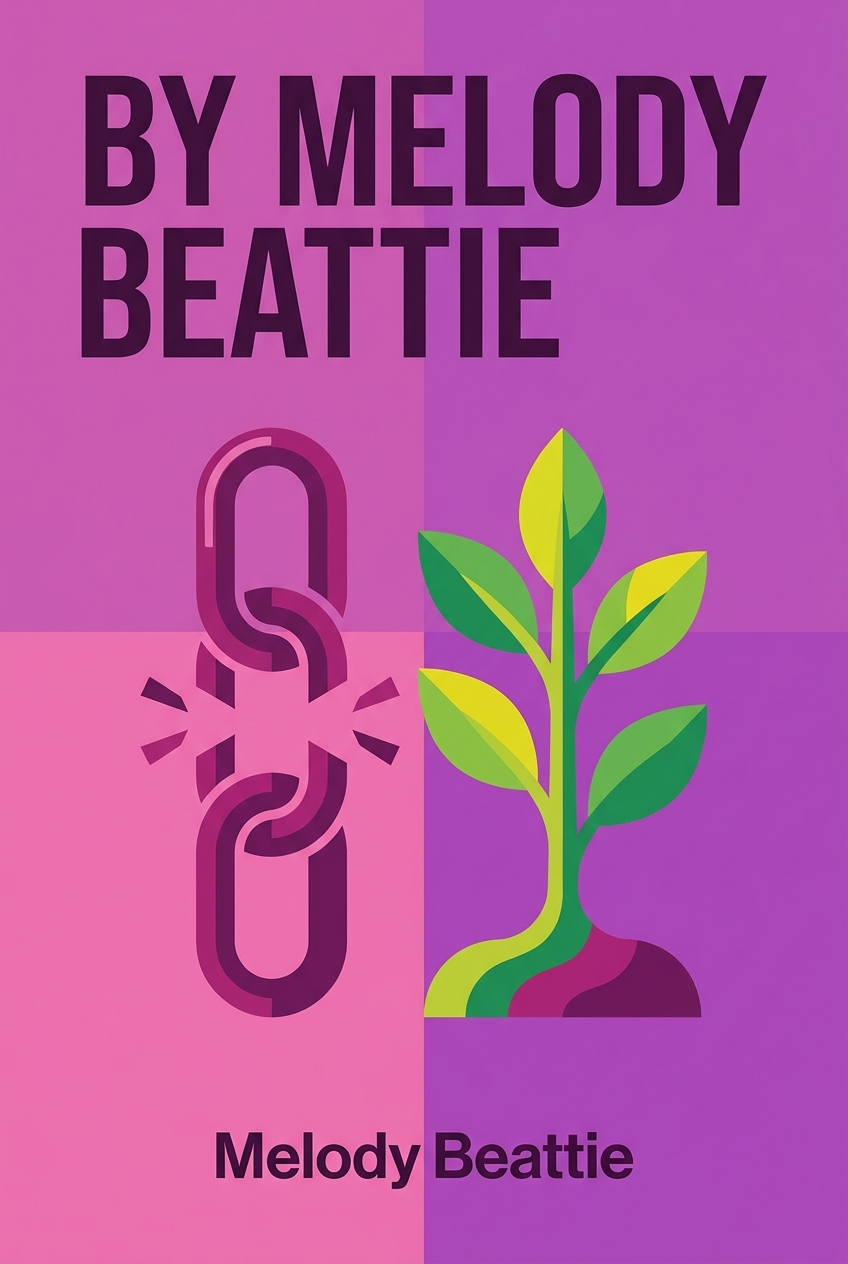
Are you exhausted from putting everyone else's needs before your own? Discover how to break free from the cycle of controlling others and sacrificing your own happiness. Learn to finally reclaim your life, set healthy boundaries, and start caring for yourself without guilt. This summary of Melody Beattie's classic guide unpacks the core traits of codependency and gives you practical tools to change. You'll explore real-life stories and actionable steps to detach with love, stop caretaking, and build a stronger, more authentic sense of self.
Meet the author
Melody Beattie is one of America's most beloved self-help authors, whose groundbreaking work on codependency has sold over fifteen million copies and transformed countless lives. Her profound insights are born from a life of immense personal struggle, including addiction, loss, and abandonment, which she channeled into a message of hope. Beattie's journey from hardship to healing provides the authentic, compassionate foundation for her internationally acclaimed guidance on self-care and recovery, inspiring millions to reclaim their own lives.
What's it about
Are you exhausted from putting everyone else's needs before your own? Discover how to break free from the cycle of controlling others and sacrificing your own happiness. Learn to finally reclaim your life, set healthy boundaries, and start caring for yourself without guilt. This summary of Melody Beattie's classic guide unpacks the core traits of codependency and gives you practical tools to change. You'll explore real-life stories and actionable steps to detach with love, stop caretaking, and build a stronger, more authentic sense of self.
Meet the author
Melody Beattie is one of America's most beloved self-help authors, whose groundbreaking work on codependency has sold over fifteen million copies and transformed countless lives. Her profound insights are born from a life of immense personal struggle, including addiction, loss, and abandonment, which she channeled into a message of hope. Beattie's journey from hardship to healing provides the authentic, compassionate foundation for her internationally acclaimed guidance on self-care and recovery, inspiring millions to reclaim their own lives.
The Script
You've reached the end of the free preview.