All Books
Self-Growth
Business & Career
Health & Wellness
Society & Culture
Money & Finance
Relationships
Science & Tech
Fiction
Topics
Blog
Download on the App Store

Daring Greatly

How the Courage to Be Vulnerable Transforms the Way We Live, Love, Parent, and Lead

15 minBrené Brown

What's it about

What if the fear of being judged is the one thing holding you back from a richer, more meaningful life? Discover how embracing vulnerability isn't a weakness but your greatest source of courage, connection, and success in everything you do. Based on years of research, this summary unpacks the myth that vulnerability is something to be avoided. You'll learn practical strategies to overcome shame, step into the arena of your life, and build the authentic relationships you crave—whether at home, at work, or in your community.

Meet the author

Dr. Brené Brown is a research professor at the University of Houston who has spent over two decades studying courage, vulnerability, shame, and empathy. Her groundbreaking work emerged from thousands of personal stories and interviews, revealing a fundamental human need for connection. This extensive research led her to discover that vulnerability is not a weakness, but our most accurate measure of courage. Her insights teach millions how to dare greatly by embracing imperfection and living more wholehearted lives.
Listen Now

Opens the App Store to download Voxbrief

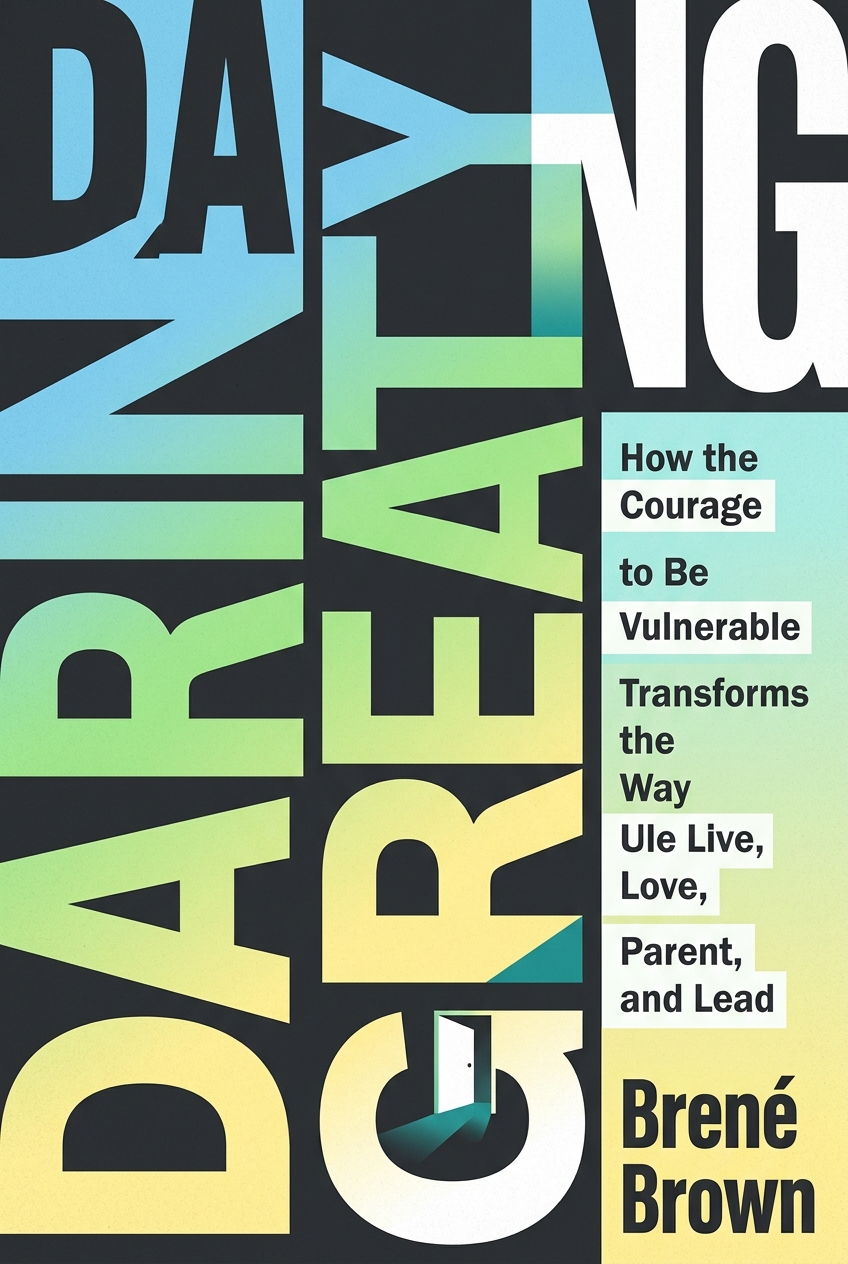
Daring Greatly book cover

The Script

Think back to the last time you saw someone risk public failure. Maybe it was a stand-up comedian testing a new joke that completely bombed, met with a painful, echoing silence. Or a friend launching a small business, pouring their savings and soul into a dream that might not take flight. Our first reaction is often a sympathetic cringe, a silent 'Oof, that’s rough.' We feel their exposure, the raw sting of putting something out there and not knowing if it will be accepted or rejected. We admire their courage from a safe distance, but we also feel a flicker of relief that it wasn't us. We instinctively know that the space between the attempt and the outcome is a deeply uncomfortable place to be.

This universal, gut-level reaction to seeing vulnerability in action is precisely what captivated a researcher named Brené Brown. For years, she studied the very things we try to avoid: shame, scarcity, and fear. As a research professor at the University of Houston, she sifted through thousands of stories, looking for the patterns that defined our most painful experiences. But in doing so, she stumbled upon an unexpected counter-narrative. The people who reported the deepest levels of joy and connection weren't the ones who had figured out how to avoid failure or judgment. They were the ones who had learned to live and love from that uncomfortable, exposed place. They were the ones who dared greatly. This book is the culmination of that decade of research, an invitation to step into the arena yourself, armed with the knowledge that vulnerability is the very birthplace of courage.

Module 1: Redefining Vulnerability and Debunking the Myths

Let's start by getting one thing straight. Vulnerability is not weakness. That's the biggest myth Brown dismantles. In fact, her research showed something profound. Vulnerability is the core of all meaningful human experiences. Think about it. Love is vulnerable. Trust is vulnerable. Starting a business, sharing a creative idea, or giving honest feedback—it all requires emotional risk, uncertainty, and exposure. That is the definition of vulnerability. To feel is to be vulnerable. So when we try to opt out of vulnerability, we are actually opting out of the experiences that give life purpose.

So what happens next? We often tell ourselves, "I don't do vulnerability." This is the second myth. We believe we can choose to avoid it. But we can't. Life is inherently uncertain. A difficult diagnosis, a layoff, a relationship ending—these things happen. We don't get to choose whether we step into the arena of life. We only get to choose how we show up once we're in it. Pretending we can avoid vulnerability is an illusion. It just means we let fear and discomfort make our choices for us.

This leads to a crucial insight. We view our own vulnerability as weakness, but we see it as courage in others. Brown discovered this paradox in her research. People would describe their own vulnerability with words like "scary" or "excruciating." But when asked to give an example of courage, they would describe an act of pure vulnerability. A friend admitting they needed help. A colleague taking responsibility for a mistake. We admire it in others. We just fear it in ourselves. Recognizing this double standard is the first step toward changing our relationship with it.

Finally, many people confuse vulnerability with oversharing. True vulnerability requires boundaries and trust. It is not about posting your deepest fears on social media or "trauma dumping" on a stranger. Brown calls that "floodlighting," and it pushes people away. Real vulnerability is about sharing your story with people who have earned the right to hear it. It's a process built over time. Trust is earned in small moments. It’s like filling a marble jar. Every time someone shows up for you, keeps a confidence, or remembers the small things, they add a marble. Vulnerability is sharing with your "marble jar friends," the people whose jars are full.

Module 2: The Culture of Scarcity and the Shame Epidemic

We've established what vulnerability is. Now, let's turn to why we fear it so much. Why do we build such heavy armor? Brown's research points to a powerful cultural force. She calls it the culture of "never enough."

This is a pervasive feeling. A sense that we are never good enough, safe enough, successful enough, or certain enough. It’s a mindset of scarcity. And it’s everywhere. In our workplaces, it shows up as a fear of irrelevance. In our schools, it fuels disengagement. In our parenting, it creates a minefield of judgment. This culture of scarcity is the breeding ground for shame.

Let's pause here, because shame is a critical concept. Brown makes a vital distinction. Shame is profoundly different from guilt. Guilt says, "I did something bad." Shame says, "I am bad." Guilt focuses on behavior and can be productive, motivating us to apologize and change. But shame attacks our identity. It's the intensely painful feeling that we are flawed and therefore unworthy of love and connection. It’s the fear of disconnection. And it's destructive. Research shows shame is highly correlated with addiction, depression, and violence.

And here's the thing. Shame thrives in secrecy, silence, and judgment. It’s like a gremlin that hates the light. When we keep our shame hidden, it grows. We become convinced we're the only ones who feel this way. This is why the "never enough" culture is so toxic. It isolates us. It tells us to put on a perfect face. To pretend we have it all together. But this performance is exhausting. And it cuts us off from the very thing that can heal shame: empathy.

Consequently, we must learn to fight back. Shame resilience is built by speaking shame and sharing our stories. When we find the courage to tell someone we trust, "I'm feeling ashamed," something powerful happens. The shame begins to wither. Empathy is the antidote. Hearing someone say, "Me too," or "I've been there," breaks the isolation. It reminds us we are not alone. This is about finding someone who can sit with us in our struggle. This act of reaching out is the foundation of daring greatly. It's how we build the resilience to stay in the arena.

Read More