All BooksSelf-GrowthBusiness & CareerHealth & WellnessSociety & CultureMoney & FinanceRelationshipsScience & TechFiction
Download on the App Store

Crying in H Mart

A Memoir

13 minMichelle Zauner

What's it about

How do you navigate profound grief while holding onto the vibrant memories of a loved one? Discover a powerful story of how food, family, and identity intertwine in the face of devastating loss, offering a roadmap to finding yourself after losing your anchor. This summary of Michelle Zauner's memoir explores her journey of reconnecting with her Korean heritage after her mother's cancer diagnosis. You'll learn how cooking the dishes of her childhood became an act of love, a way to grieve, and a method for preserving her mother's legacy.

Meet the author

Michelle Zauner is the Grammy-nominated musician behind the indie rock project Japanese Breakfast and the New York Times bestselling author of Crying in H Mart. Drawing from her experiences growing up Korean American, she explores grief, identity, and the bonds of family through the lens of food. Her memoir expands on her viral 2018 New Yorker essay, offering a powerful and heartfelt look at losing her mother and finding herself through the flavors of her heritage.
Listen Now
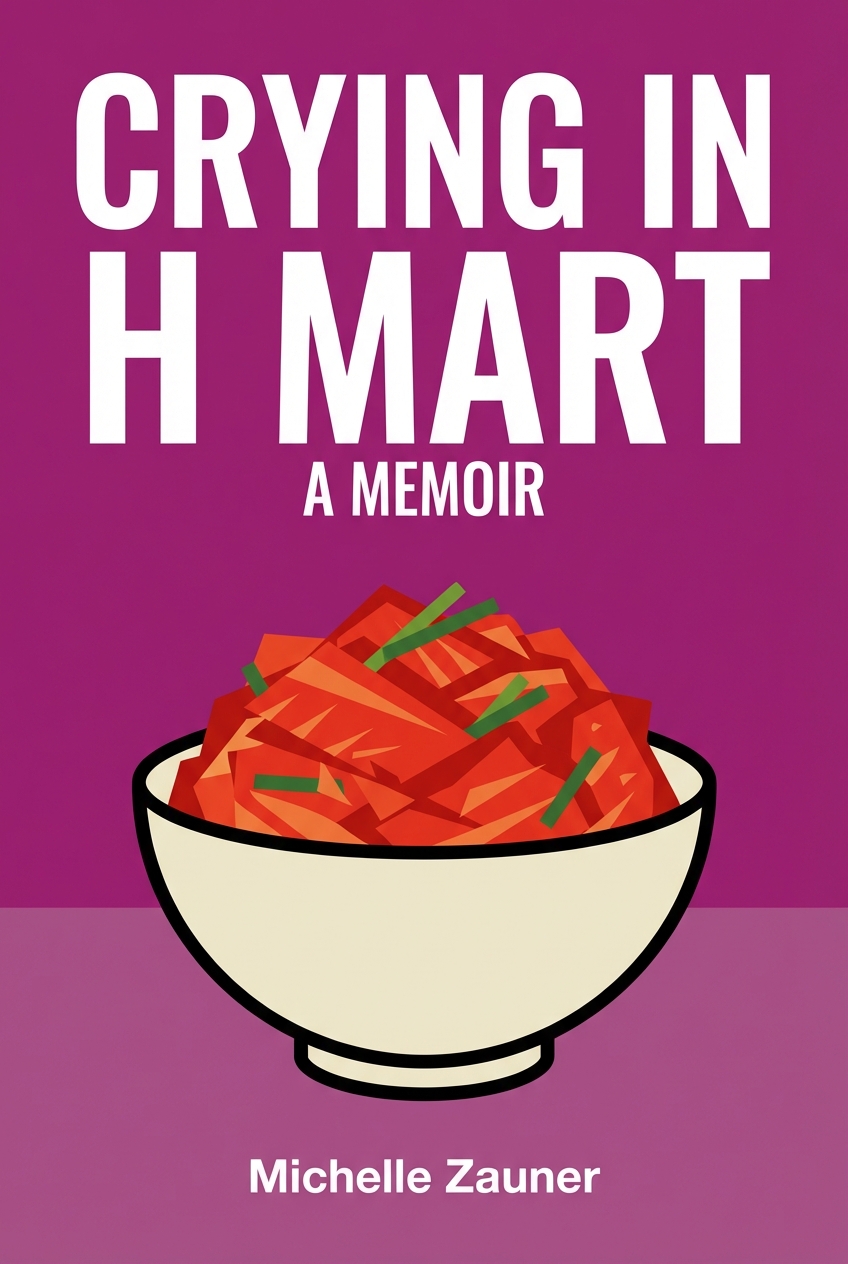
Crying in H Mart book cover

The Script

Every family has a language that exists beyond words. It’s spoken in the precise way a dish is prepared, the unspoken agreement on which brand of soy sauce is acceptable, or the shared silence of peeling fruit after dinner. This culinary dialect is often where the deepest expressions of love and identity reside, passed down through observation, taste, and repetition. It's a language of care, rich with nuance, where a simple question like 'Have you eaten?' can mean 'I love you,' 'Are you okay?,' or 'I'm worried about you.' But what happens when the primary speaker of that language, the one who holds all its grammar and vocabulary, is gone? The connection frays, and the fear isn't just of losing a person, but of losing the entire world they represented—a world of flavor, memory, and belonging.

This is the silent terror that gripped Michelle Zauner when her mother was diagnosed with terminal cancer. For Zauner, her Korean heritage was inextricably linked to her mother’s cooking—the bubbling pots of jjigae, the pungent funk of fermenting kimchi, the intricate rituals of a shared meal. The grocery aisles of H Mart, a Korean-American supermarket chain, became a sanctuary and a classroom where she desperately tried to reclaim the recipes and, by extension, the bond she was losing. Zauner, known professionally as the musician behind the band Japanese Breakfast, found that writing was the only way to process this profound grief and preserve the culinary language her mother had gifted her. "Crying in H Mart" is that act of preservation—a raw, unflinching account of mourning a parent while trying to cook your way back to who you are.

Module 1: H Mart as a Sacred Space

The memoir opens with a powerful declaration: "Ever since my mom died, I cry in H Mart." For Zauner, H Mart is a sanctuary. It’s a place where grief is triggered and memory is held. The sights, sounds, and smells of the Korean supermarket connect her directly to her late mother, Chongmi.

This leads to a crucial insight. Grief is a sensory experience tied to physical places and objects. Zauner isn't just sad. She weeps by the banchan refrigerators, remembering her mother’s specific soy-sauce eggs. She holds a bag of frozen dumpling skins and relives the hours they spent making them together. Each item on the shelf is a portal to a specific memory. Aisle by aisle, she walks through the museum of her relationship with her mother. The store becomes a landscape of their shared life.

But what happens when that connection feels threatened? The loss of a cultural guide can trigger a profound identity crisis. Standing in the dry goods aisle, Zauner finds herself staring at brands of seaweed, unsure which one to buy. Without her mother to call for advice, she feels a terrifying thought surface: "Am I even Korean anymore?" This moment reveals how deeply her Korean identity was tied to her mother. Her mother was the gatekeeper, the translator, the one who made her feel fluent in a culture she was otherwise disconnected from.

So here's what that means for us. We often think of identity as something internal. But Zauner shows how it's also external, reinforced by relationships and rituals. When those are gone, we have to actively work to preserve it. This brings us to another key idea. Food is a primary language of love and cultural transmission. For Zauner and her mother, love wasn't always spoken. It was shown. It was felt in the meticulously prepared meals and packed lunches. Her mother’s affection was communicated through perfectly seasoned stews and crispy seafood pancakes. Learning to cook these same dishes becomes Zauner’s way of keeping that language alive. It’s an act of devotion. It’s a way to continue the conversation.

Read More