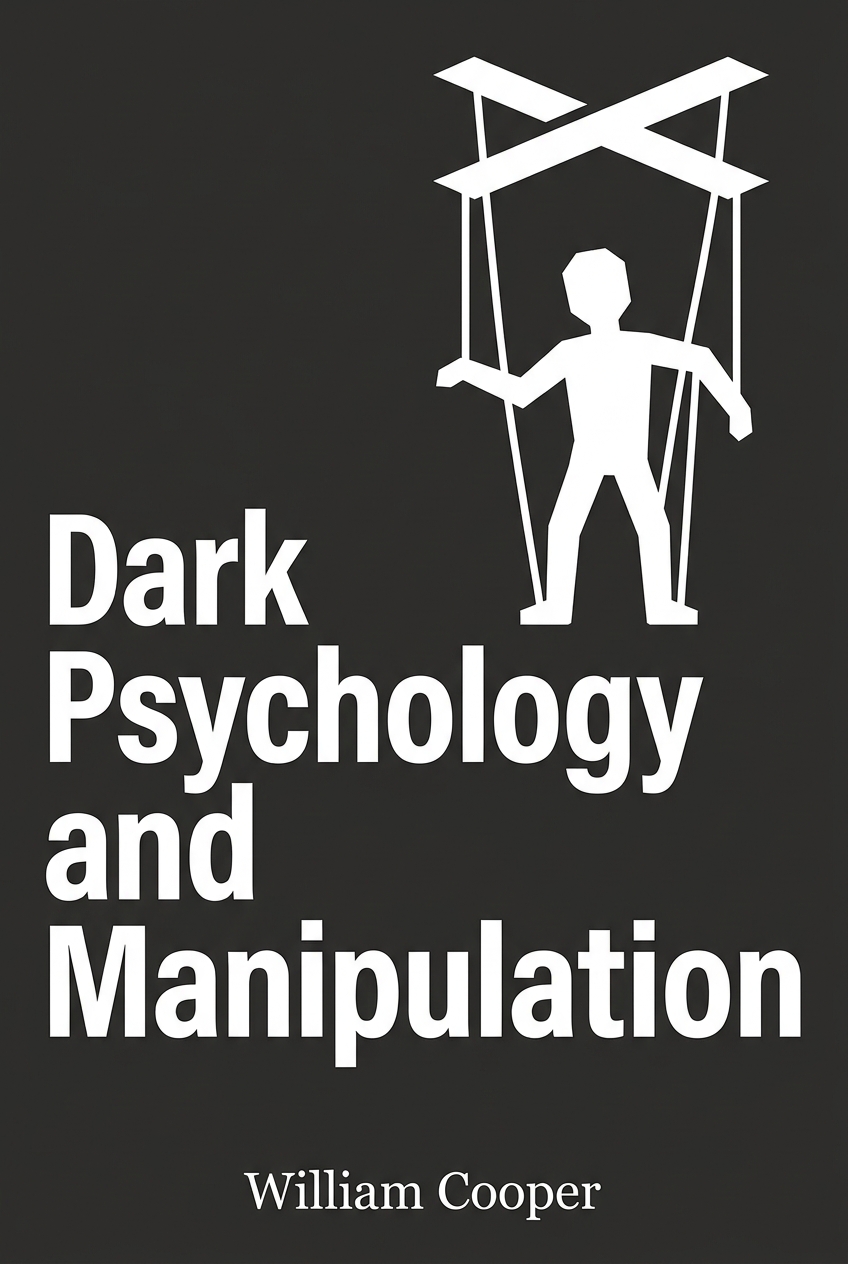
Dark Psychology and Manipulation
Dark Psychology and Manipulation: Discover 40 Covert Emotional Manipulation Techniques, Mind Control & Brainwashing. ... Body Language Human Behavior, Gaslight)
What's it about
Have you ever felt like you're being played, but can't quite put your finger on how? Learn to spot the hidden scripts manipulators use, so you can reclaim your power and protect your mind from covert influence, gaslighting, and emotional control. This guide uncovers 40 dark psychology techniques, from subtle body language cues to advanced brainwashing tactics. You'll discover how to decode human behavior, recognize when you're being targeted, and build an unbreakable mental defense against even the most skilled manipulators.
Meet the author
William Cooper is a renowned behavioral psychologist and consultant, specializing in the subtle, often unseen, dynamics of human interaction and influence. His fascination with the hidden mechanics of the mind began not in a lab, but in real-world scenarios where he observed persuasive tactics in high-stakes environments. This unique blend of academic knowledge and practical observation led him to decode the complex patterns of manipulation, empowering readers to recognize and protect themselves from covert psychological strategies.
What's it about
Have you ever felt like you're being played, but can't quite put your finger on how? Learn to spot the hidden scripts manipulators use, so you can reclaim your power and protect your mind from covert influence, gaslighting, and emotional control. This guide uncovers 40 dark psychology techniques, from subtle body language cues to advanced brainwashing tactics. You'll discover how to decode human behavior, recognize when you're being targeted, and build an unbreakable mental defense against even the most skilled manipulators.
Meet the author
William Cooper is a renowned behavioral psychologist and consultant, specializing in the subtle, often unseen, dynamics of human interaction and influence. His fascination with the hidden mechanics of the mind began not in a lab, but in real-world scenarios where he observed persuasive tactics in high-stakes environments. This unique blend of academic knowledge and practical observation led him to decode the complex patterns of manipulation, empowering readers to recognize and protect themselves from covert psychological strategies.
The Script
You've reached the end of the free preview.