All BooksSelf-GrowthBusiness & CareerHealth & WellnessSociety & CultureMoney & FinanceRelationshipsScience & TechFiction
Download on the App Store

Falling Upward

A True Story By

13 minJuliet Cameron

What's it about

Have you ever felt like failure was the end of the road? Discover how hitting rock bottom can be the surprising first step toward your greatest success. This is a story about transforming devastating setbacks into the very foundation of an unshakeable and fulfilling life. In Falling Upward, Juliet Cameron shares her raw, personal journey from catastrophic business failure and personal loss to building a life of profound purpose. You'll learn the practical mindset shifts and resilient strategies she used to reframe failure, embrace vulnerability, and find strength in her darkest moments.

Meet the author

Juliet Cameron is a globally recognized resilience expert and keynote speaker whose research on post-traumatic growth has been featured in leading psychological journals and global media outlets. After a sudden, life-altering accident ended her career as a concert pianist, she dedicated her life to understanding how individuals can find profound strength and purpose in the aftermath of crisis. Her own remarkable journey of recovery and reinvention is the powerful, real-world foundation for the transformative principles she shares in Falling Upward.
Listen Now
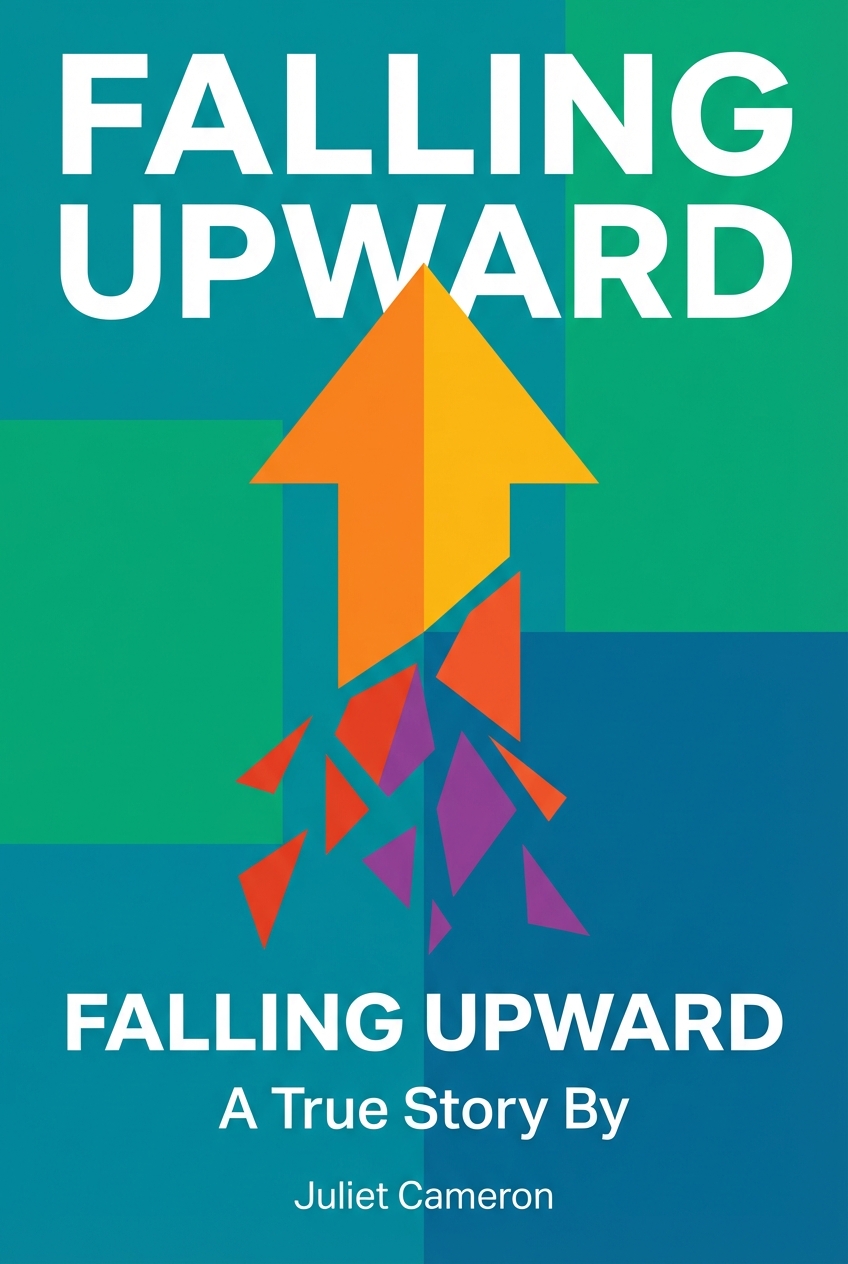
Falling Upward book cover

The Script

Every winter, the old bridge at Miller’s Crossing is closed. It’s not a dramatic failure; no single event marks its demise. Instead, it’s a slow, quiet surrender. The county engineer explains it every year: the ground beneath the stone footings freezes, heaves just a millimeter, then thaws and settles in a slightly new position. Each cycle is imperceptible, but over a hundred winters, the accumulated shifts have twisted the structure beyond its limits. The bridge doesn't fall down, it sags inward. It becomes impassable not from a sudden collapse, but from a gradual, internal weakening that makes it incapable of holding weight.

This quiet, structural fatigue is what we often miss in our own lives. We look for the dramatic break, the single crisis that explains why we feel stuck or fragile. We brace for the fall, but we don't notice the slow, imperceptible sag. Juliet Cameron spent fifteen years as a structural engineer, consulting on aging infrastructure from historic aqueducts to modern skyscrapers. She saw firsthand how the most catastrophic failures were rarely sudden. They were the result of unaddressed stress, tiny shifts, and a slow deviation from the original design. She wrote Falling Upward after realizing that the principles she used to diagnose a failing bridge could be used to understand why so many people feel like they are collapsing inward, long before any external crisis hits.

Module 1: The Two Halves of Life

The core idea of the book is that our lives are split into two major stages. Each stage has a distinct, necessary task. The first half of life is about building a strong container. This is your identity, your ego, your career, your security. It’s about establishing boundaries and creating a stable platform. Think of it as constructing a sturdy raft. You need this raft to navigate the initial waters of life. Without it, you’d drown. This is the stage where rules, achievements, and social validation are critical. As Robert Frost wrote, "Good fences make good neighbors." In this first stage, fences are essential for survival and self-definition.

However, many people spend their entire lives just repairing and polishing this raft. They never realize it was only a vehicle. The second half of life is about discovering the contents the container was meant to hold. This is the journey to find your True Self, your soul’s purpose. It’s a shift from building your life to living your life. This is a journey you are summoned to, often through failure or a deep sense of longing. It’s a journey you don't engineer. It’s the moment you realize the raft is not the shore. The goal is no longer to succeed in the eyes of the world, but to find integrity and meaning from within.

From this foundation, Rohr argues that you cannot skip the first half. A strong ego, a well-built container, is a prerequisite for the second. You have to build a self before you can surrender it. Someone who never develops a healthy ego structure in the first half will struggle to let go. They may remain stuck seeking validation or rebelling against authority their whole lives. But here's the key distinction. True maturity integrates first-half lessons. You learn the rules of the game so you can eventually know how to transcend them properly. The skills you built to construct your raft are the same skills you’ll need to navigate the deeper waters of the second half, but they will be used for a different purpose. It’s about moving from either-or thinking to a more inclusive, both-and perspective.

Read More