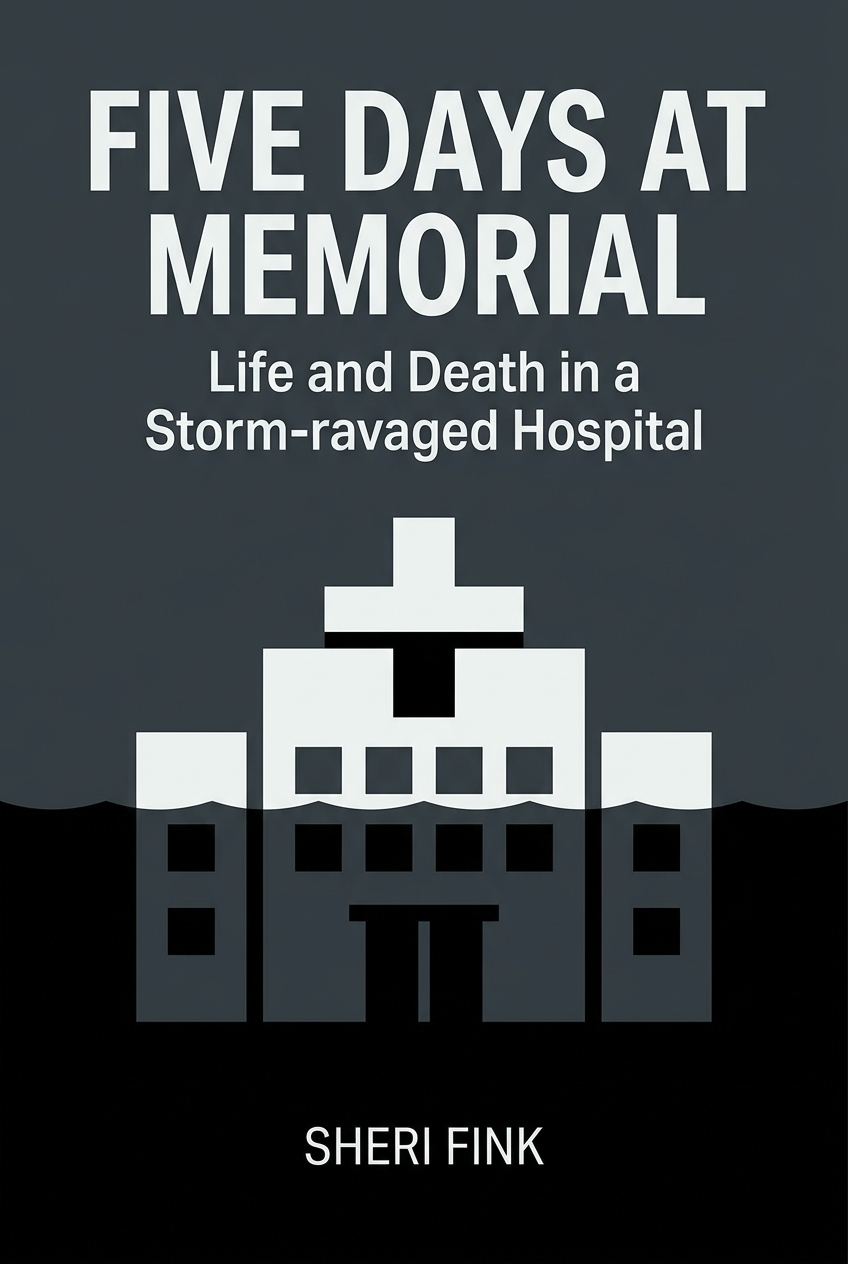
Five Days at Memorial
Life and Death in a Storm-ravaged Hospital
What's it about
What would you do if the power went out, the water rose, and all your patients' lives were in your hands? This gripping account puts you inside a disaster-ravaged hospital, forcing you to confront the impossible ethical choices doctors faced in the aftermath of Hurricane Katrina. Discover the minute-by-minute struggle for survival at Memorial Medical Center. You'll learn how a combination of systemic failures and human desperation led to life-or-death decisions that are still debated today. This is a powerful investigation into medical ethics, disaster preparedness, and the terrifying line between mercy and murder.
Meet the author
Sheri Fink is a Pulitzer Prize-winning journalist, physician, and former relief worker whose reporting forms the basis of Five Days at Memorial. Her unique background in both medicine and investigative journalism gave her unparalleled access and insight into the life-and-death ethical dilemmas faced by caregivers during Hurricane Katrina. Fink’s work explores the harrowing choices made in crisis situations, blending rigorous reporting with a deep understanding of the human side of medicine under extreme pressure.
What's it about
What would you do if the power went out, the water rose, and all your patients' lives were in your hands? This gripping account puts you inside a disaster-ravaged hospital, forcing you to confront the impossible ethical choices doctors faced in the aftermath of Hurricane Katrina. Discover the minute-by-minute struggle for survival at Memorial Medical Center. You'll learn how a combination of systemic failures and human desperation led to life-or-death decisions that are still debated today. This is a powerful investigation into medical ethics, disaster preparedness, and the terrifying line between mercy and murder.
Meet the author
Sheri Fink is a Pulitzer Prize-winning journalist, physician, and former relief worker whose reporting forms the basis of Five Days at Memorial. Her unique background in both medicine and investigative journalism gave her unparalleled access and insight into the life-and-death ethical dilemmas faced by caregivers during Hurricane Katrina. Fink’s work explores the harrowing choices made in crisis situations, blending rigorous reporting with a deep understanding of the human side of medicine under extreme pressure.
The Script
You've reached the end of the free preview.