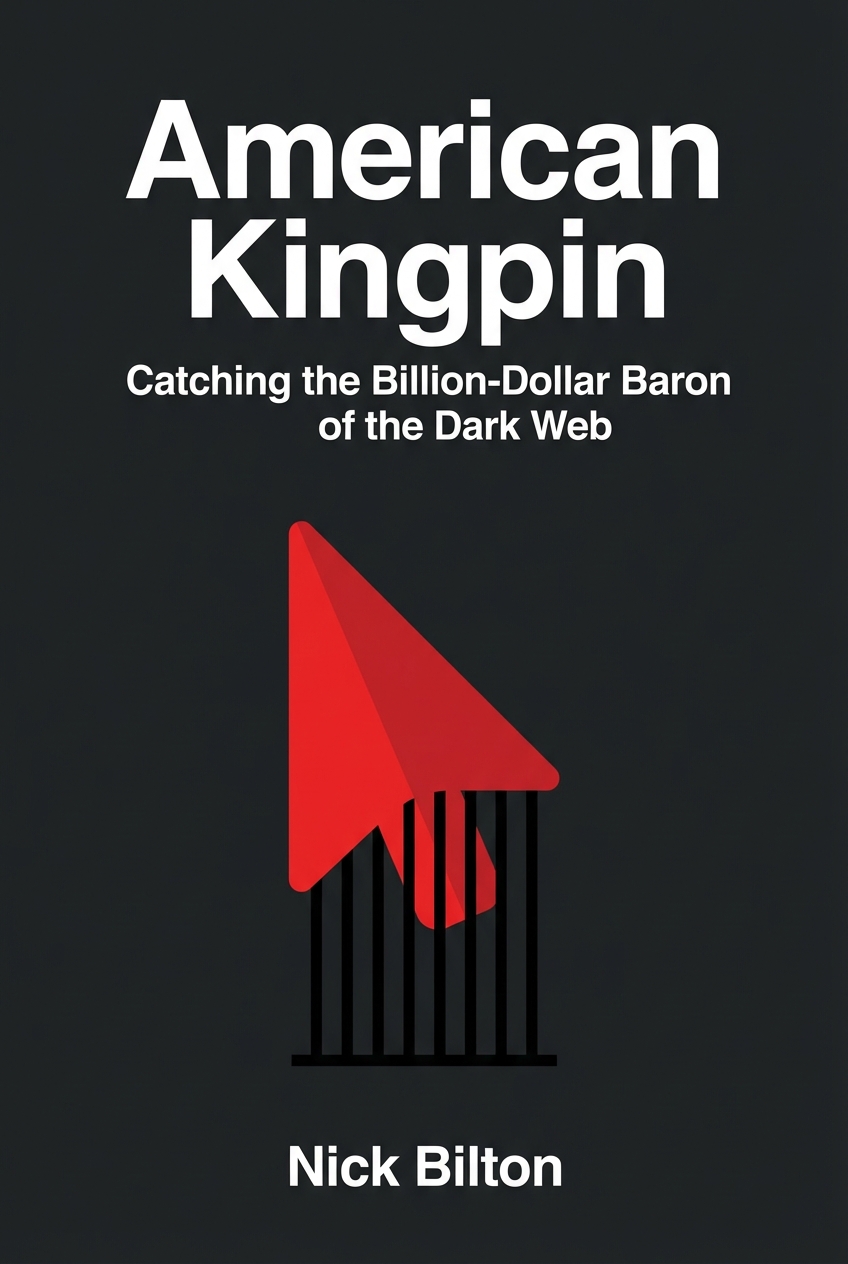
American Kingpin
Catching the Billion-Dollar Baron of the Dark Web
What's it about
Ever wonder how an ordinary programmer built a billion-dollar drug empire from his laptop? Discover the unbelievable true story of the Silk Road, a secret online marketplace where anyone could buy and sell anything, from illegal drugs to deadly weapons, with just a few clicks. You'll learn the step-by-step methods Ross Ulbricht used to create this anonymous dark web haven and the fatal mistakes that led to his downfall. Uncover the cat-and-mouse game between a visionary criminal mastermind and the federal agents determined to shut him down, revealing the secrets of digital forensics and old-school detective work that finally brought the American Kingpin to justice.
Meet the author
Nick Bilton is a New York Times bestselling author and special correspondent for Vanity Fair, where he writes about technology, politics, and culture. His years spent reporting at the intersection of Silicon Valley innovation and its darker consequences gave him unparalleled access to the world of American Kingpin. Bilton’s investigative journalism background allowed him to uncover the intricate details and human drama behind the rise and fall of the Silk Road, bringing this modern crime story to life.
What's it about
Ever wonder how an ordinary programmer built a billion-dollar drug empire from his laptop? Discover the unbelievable true story of the Silk Road, a secret online marketplace where anyone could buy and sell anything, from illegal drugs to deadly weapons, with just a few clicks. You'll learn the step-by-step methods Ross Ulbricht used to create this anonymous dark web haven and the fatal mistakes that led to his downfall. Uncover the cat-and-mouse game between a visionary criminal mastermind and the federal agents determined to shut him down, revealing the secrets of digital forensics and old-school detective work that finally brought the American Kingpin to justice.
Meet the author
Nick Bilton is a New York Times bestselling author and special correspondent for Vanity Fair, where he writes about technology, politics, and culture. His years spent reporting at the intersection of Silicon Valley innovation and its darker consequences gave him unparalleled access to the world of American Kingpin. Bilton’s investigative journalism background allowed him to uncover the intricate details and human drama behind the rise and fall of the Silk Road, bringing this modern crime story to life.
The Script
You've reached the end of the free preview.