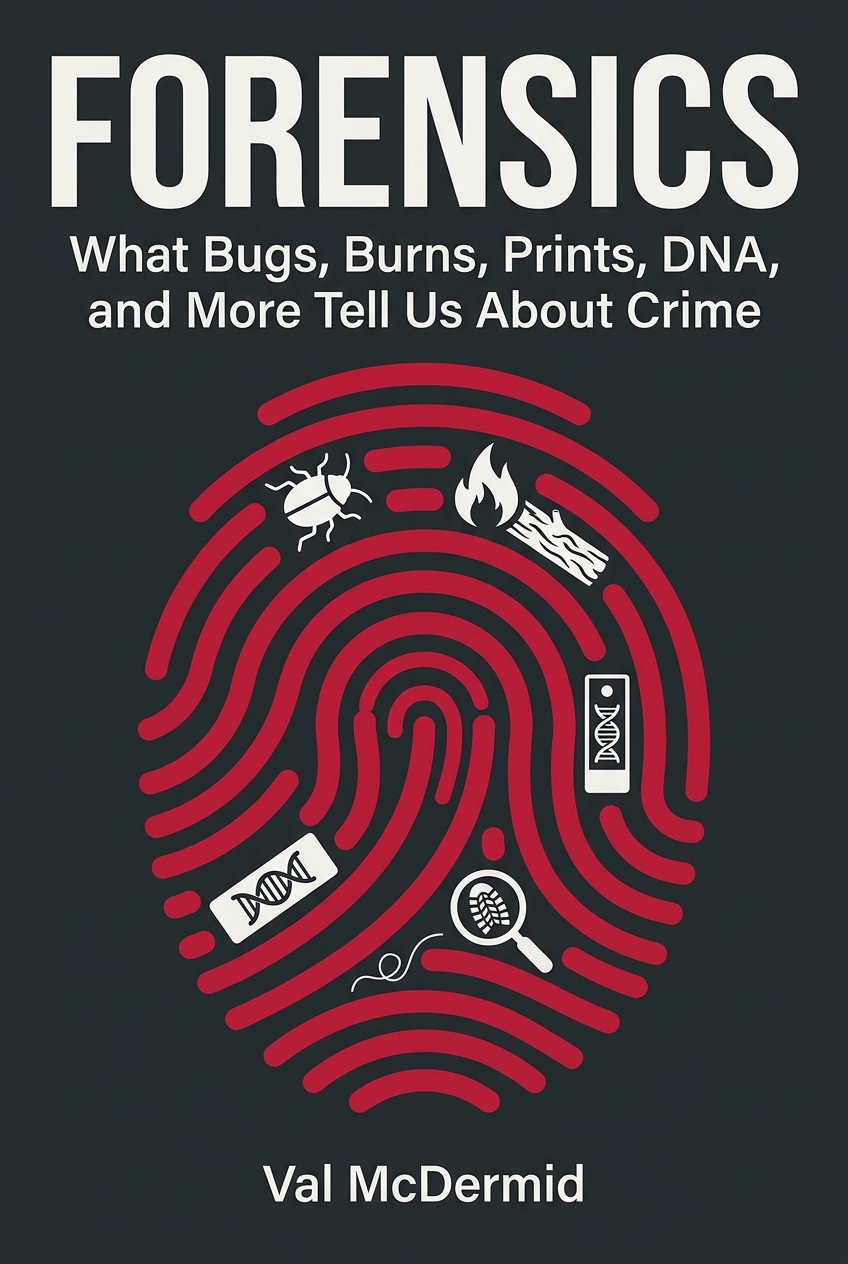
Forensics
What Bugs, Burns, Prints, DNA, and More Tell Us About Crime
What's it about
Ever wondered how a single hair can solve a murder? Get ready to unlock the secrets of crime scene investigation. This summary cracks open the real-world science behind the TV dramas, showing you how forensic experts piece together the truth from the tiniest clues left behind. You'll go beyond the yellow tape to discover how investigators use everything from insects and fire patterns to fingerprints and DNA. Learn the fascinating history of forensic science and understand the modern techniques that bring killers to justice, turning you into the sharpest armchair detective on the block.
Meet the author
Val McDermid is a globally bestselling crime writer who has sold over 18 million books and won the CWA Diamond Dagger for lifetime achievement. Her deep fascination with the science of crime solving, born from years of meticulously researching her acclaimed thrillers, led her to go behind the scenes. McDermid personally interviewed top forensic experts across Europe and North America, bringing their groundbreaking work and untold stories directly to you in this definitive guide to the real world of forensic science.
What's it about
Ever wondered how a single hair can solve a murder? Get ready to unlock the secrets of crime scene investigation. This summary cracks open the real-world science behind the TV dramas, showing you how forensic experts piece together the truth from the tiniest clues left behind. You'll go beyond the yellow tape to discover how investigators use everything from insects and fire patterns to fingerprints and DNA. Learn the fascinating history of forensic science and understand the modern techniques that bring killers to justice, turning you into the sharpest armchair detective on the block.
Meet the author
Val McDermid is a globally bestselling crime writer who has sold over 18 million books and won the CWA Diamond Dagger for lifetime achievement. Her deep fascination with the science of crime solving, born from years of meticulously researching her acclaimed thrillers, led her to go behind the scenes. McDermid personally interviewed top forensic experts across Europe and North America, bringing their groundbreaking work and untold stories directly to you in this definitive guide to the real world of forensic science.
The Script
You've reached the end of the free preview.