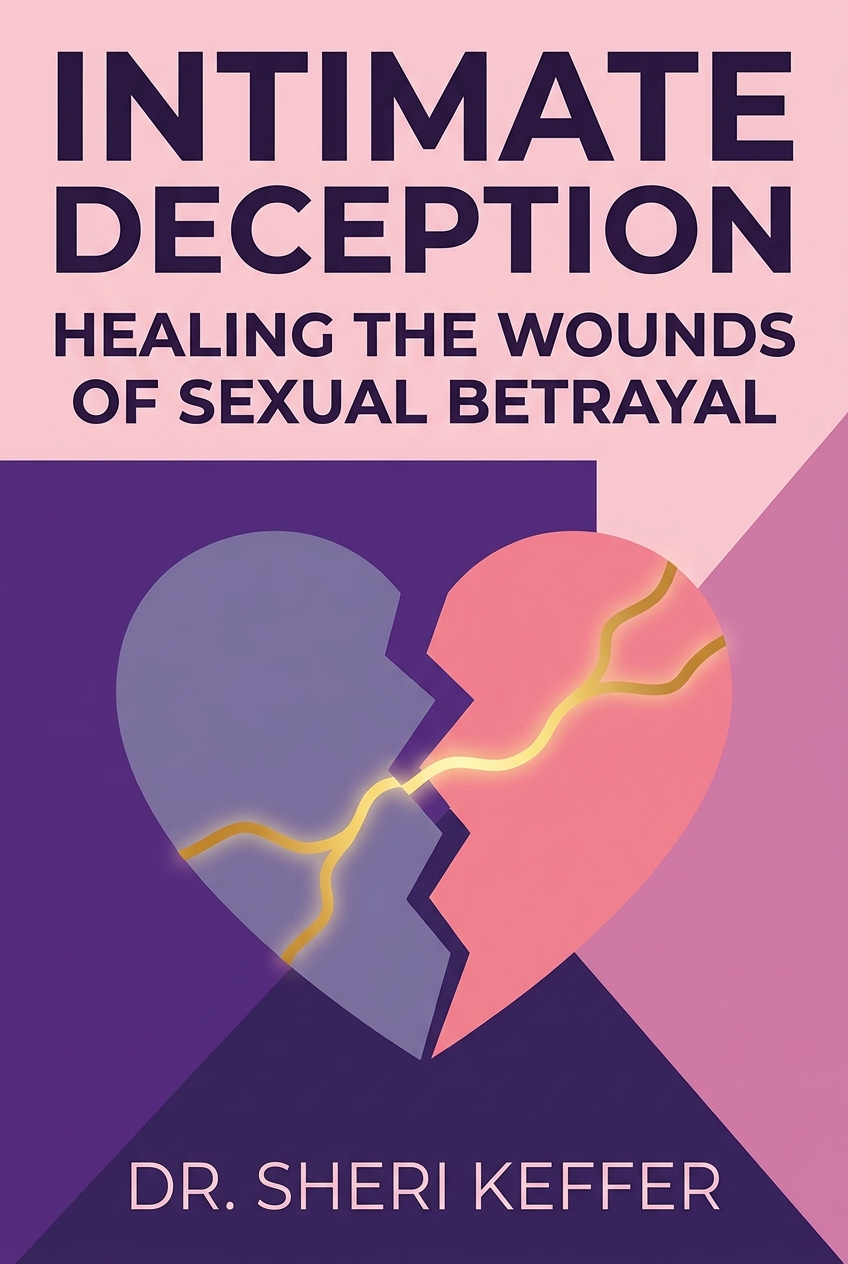
Intimate Deception
Healing the Wounds of Sexual Betrayal
What's it about
Struggling to heal after discovering your partner's sexual betrayal? Learn how to move from the initial shock and devastation toward genuine recovery. This summary offers a clear, compassionate roadmap to help you understand the trauma and begin to reclaim your life. You'll discover Dr. Sheri Keffer's proven five-step process for healing, designed specifically for betrayed partners. Uncover the science behind betrayal trauma, learn practical strategies for managing overwhelming emotions, and find the courage to set healthy boundaries, whether you decide to stay or go.
Meet the author
Dr. Sheri Keffer is a leading national expert in betrayal trauma, a Certified Sex Addiction Therapist Supervisor, and a Doctor of Marriage and Family Therapy. Her own painful journey through her husband's hidden addiction and betrayal fueled her passion to create a new, trauma-informed approach for betrayed partners. This unique blend of professional expertise and profound personal experience provides the compassionate, evidence-based roadmap to healing found within her work, offering hope and recovery to countless women.
Opens the App Store to download Voxbrief

The Script
The morning sun catches the window, illuminating a fine layer of dust on the bedside table. On one side, a framed wedding photo gleams, a frozen moment of shared smiles and hopeful eyes. On the other, a phone lies face down, its dark screen a silent vault of deleted messages, clandestine calls, and a life lived entirely in the shadows. From the outside, the house is a picture of stability—the lawn is mowed, the bills are paid, the social calendar is full. It’s a carefully constructed reality, a shared public performance of a life well-lived. But inside, one person is living a nightmare, haunted by the chilling realization that the person they trust most is a complete stranger.
This gap between the life you thought you had and the devastating truth you’ve discovered is a landscape of profound confusion and betrayal. It’s a place Dr. Sheri Keffer knows intimately, not just from her clinical work but from her own harrowing experience. As a marriage and family therapist, she had spent years helping couples navigate conflict. But when she discovered her own husband’s secret life of sexual addiction and serial infidelity, her professional knowledge offered little comfort against the personal tsunami of trauma. Her world didn’t just crack; it shattered. "Intimate Deception" was born from the rubble, written as a lifeline for others drowning in the same silent, isolating waters, offering a path forward when the life you knew has been revealed as a lie.
Module 1: The Anatomy of Betrayal Trauma
When you discover a partner's secret life—their affairs, pornography addiction, or hidden behaviors—it’s more than a breach of trust. It’s a traumatic event. Dr. Keffer argues that sexual betrayal inflicts psychological trauma comparable to post-traumatic stress. This is a neurobiological reality. The shock of discovery can trigger the same fight, flight, or freeze responses seen in combat veterans. Your world, once a source of safety, becomes a source of profound threat. This is why you might feel shell-shocked, unable to sleep, or constantly on edge. Your body is reacting to a legitimate wound.
For example, the book shares the story of Melissa. After finding out about her husband's betrayal, she walked into her kitchen, picked up an empty glass vase, and dropped it on the floor. As it shattered, she said, "This is how I feel. Broken beyond repair." This act was a visceral expression of a shattered sense of self and safety.
This leads to a crucial insight. The intense, often conflicting emotions you feel are normal, understandable reactions. Instead, betrayal trauma elicits normal, understandable reactions that are often mislabeled. Dr. Keffer reframes these responses. The constant need to check your partner's phone is hyper-vigilance, a brain desperately seeking safety in an unsafe environment. The emotional numbness is dissociation, a survival mechanism to cope with overwhelming pain. And the rage is a natural response to a profound violation. By understanding your reactions through the lens of trauma, you can stop blaming yourself and start the work of healing.
And here's the thing: this trauma is multidimensional. Betrayal trauma contaminates every area of your life, from your health to your finances to your spiritual beliefs. The book details what it calls the Multidimensional Partner Trauma Model. It shows how the deception can lead to real financial insecurity from secret spending. It can cause physical health problems from chronic stress, like hypertension or digestive issues. It can erode your self-concept, making you question your worth and your own judgment. And for many, it triggers a deep spiritual crisis, making it hard to trust anyone, even God. Recognizing this comprehensive impact is essential. Healing requires addressing all these interconnected wounds, not just the relational one.