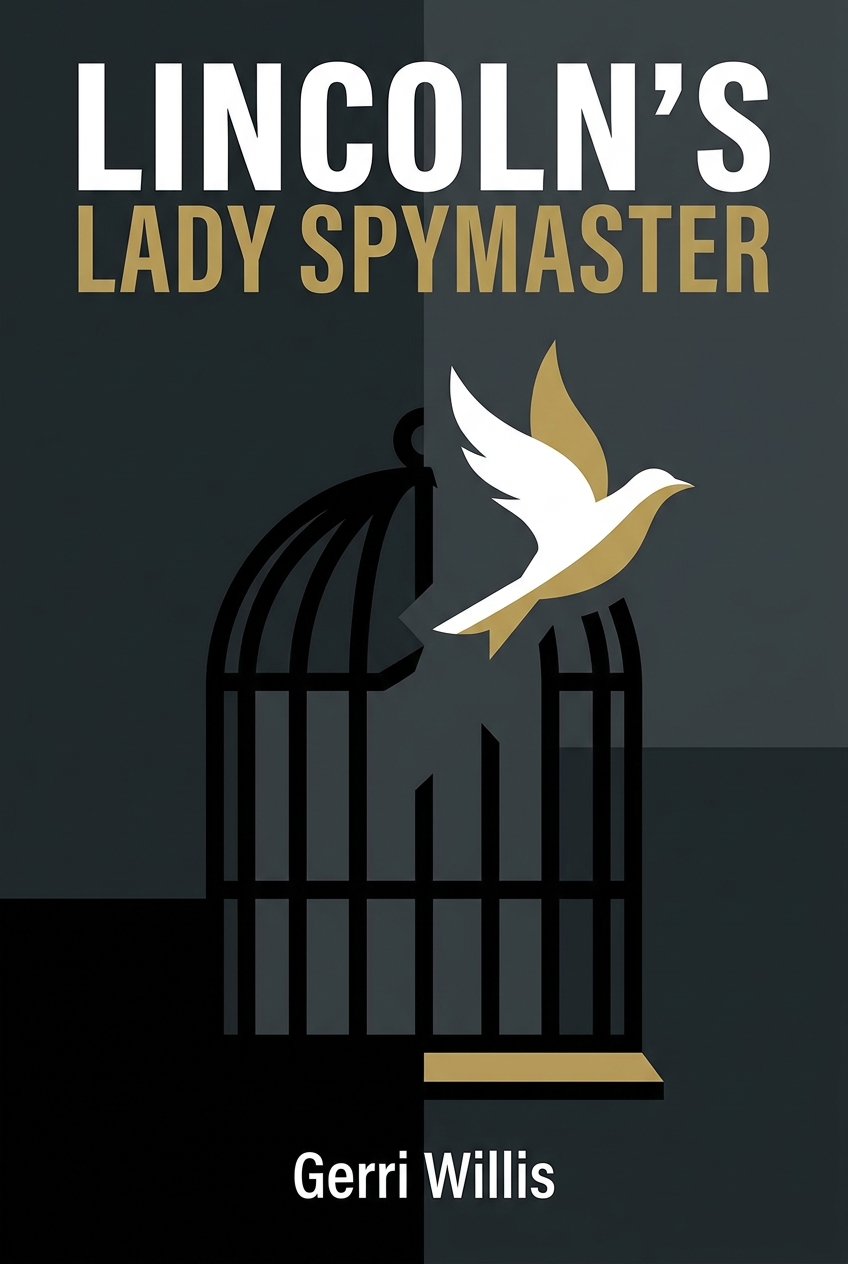
Lincoln’s Lady Spymaster
The Untold Story of the Abolitionist Southern Belle Who Helped Win the Civil War – The Instant New York Times Bestseller About Espionage and Courage
What's it about
Ever wonder how a single, daring individual could alter the course of history? Discover the incredible true story of Elizabeth Van Lew, a wealthy Southern belle who risked everything to build a vast spy network right under the noses of Confederate leaders. You'll learn the secret methods she used to smuggle intelligence to the Union, orchestrating prison breaks and masterminding espionage operations that directly influenced key Civil War battles. Uncover the story of a forgotten hero whose courage and cunning helped secure a Union victory and reshape a nation.
Meet the author
Gerri Willis is an Emmy Award-winning investigative journalist and accomplished television news anchor whose work has appeared on Fox News, Fox Business Network, and CNN. A dedicated researcher with a passion for uncovering hidden histories, Willis was inspired by her own Southern heritage to explore the complex story of Elizabeth Van Lew. Her journalistic expertise in digging for truth brings a fresh, modern perspective to this forgotten chapter of Civil War espionage, revealing the incredible courage of a woman who risked everything for her beliefs.
What's it about
Ever wonder how a single, daring individual could alter the course of history? Discover the incredible true story of Elizabeth Van Lew, a wealthy Southern belle who risked everything to build a vast spy network right under the noses of Confederate leaders. You'll learn the secret methods she used to smuggle intelligence to the Union, orchestrating prison breaks and masterminding espionage operations that directly influenced key Civil War battles. Uncover the story of a forgotten hero whose courage and cunning helped secure a Union victory and reshape a nation.
Meet the author
Gerri Willis is an Emmy Award-winning investigative journalist and accomplished television news anchor whose work has appeared on Fox News, Fox Business Network, and CNN. A dedicated researcher with a passion for uncovering hidden histories, Willis was inspired by her own Southern heritage to explore the complex story of Elizabeth Van Lew. Her journalistic expertise in digging for truth brings a fresh, modern perspective to this forgotten chapter of Civil War espionage, revealing the incredible courage of a woman who risked everything for her beliefs.
The Script
You've reached the end of the free preview.