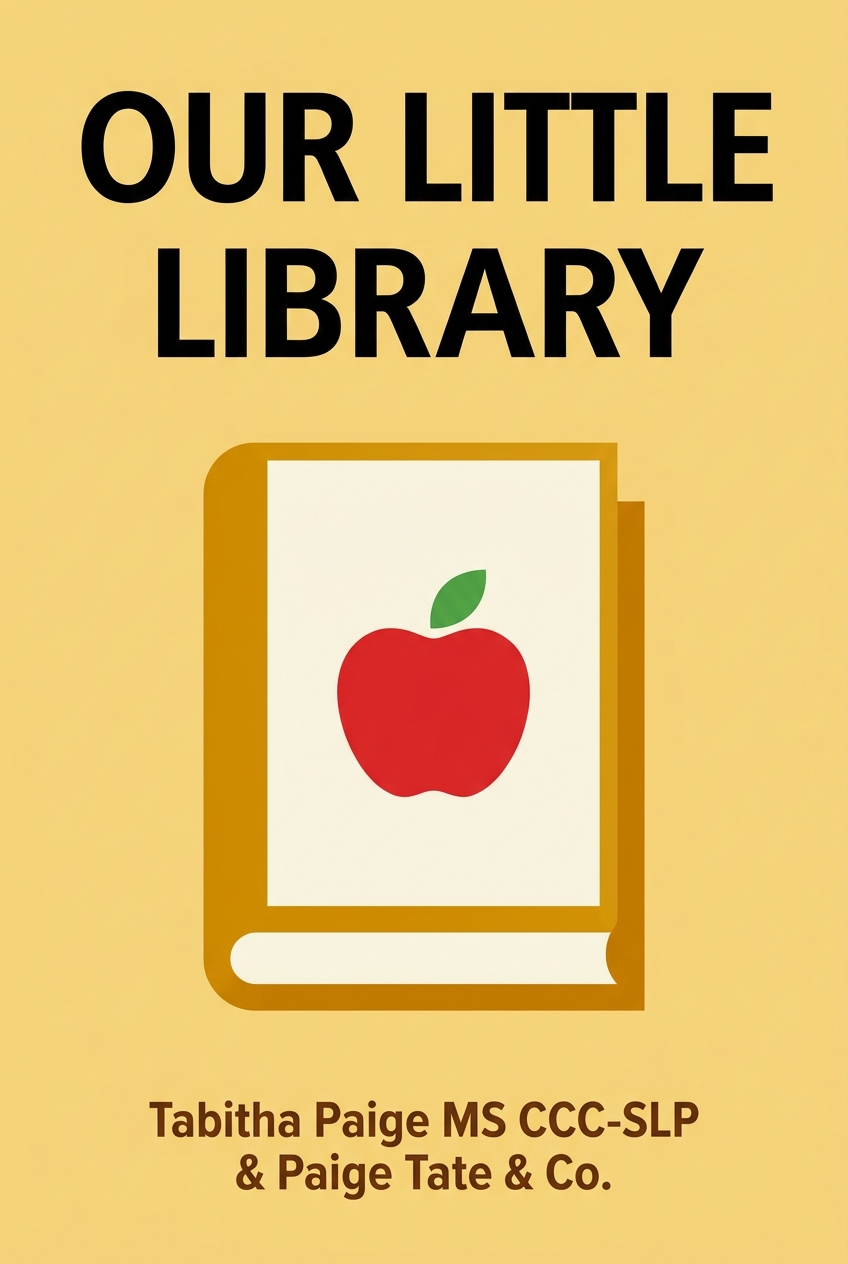
Our Little Library
A Foundational Language Vocabulary Board Book Set for Babies, Including Farm & Forest Animals, Fruits & Veggies, Toys & More (Tabitha Paige Children's Book Series)
What's it about
Want to give your baby a head start on their first words? This book set, created by a speech-language pathologist, uses research-backed techniques to make learning new vocabulary simple and fun for your little one, building a strong foundation for early communication. You'll discover how the high-contrast, minimalist art style helps babies focus and learn faster. Learn why these specific first words—from farm animals to everyday objects—are strategically chosen to boost language development and how to use these books to create joyful, connective reading experiences.
Meet the author
Tabitha Paige, MS, CCC-SLP, is a licensed speech-language pathologist and award-winning artist with a passion for helping children master early language milestones. As the owner of a private practice, she recognized a need for beautiful, functional resources that parents could use at home to support their child's development. This unique combination of clinical expertise and artistic talent led her to create the Our Little Library series, thoughtfully designed to make learning a joyful and engaging experience for families.
What's it about
Want to give your baby a head start on their first words? This book set, created by a speech-language pathologist, uses research-backed techniques to make learning new vocabulary simple and fun for your little one, building a strong foundation for early communication. You'll discover how the high-contrast, minimalist art style helps babies focus and learn faster. Learn why these specific first words—from farm animals to everyday objects—are strategically chosen to boost language development and how to use these books to create joyful, connective reading experiences.
Meet the author
Tabitha Paige, MS, CCC-SLP, is a licensed speech-language pathologist and award-winning artist with a passion for helping children master early language milestones. As the owner of a private practice, she recognized a need for beautiful, functional resources that parents could use at home to support their child's development. This unique combination of clinical expertise and artistic talent led her to create the Our Little Library series, thoughtfully designed to make learning a joyful and engaging experience for families.
The Script
You've reached the end of the free preview.