Quiet Your Mind
A Men's Guide: Practical Techniques to Stop Overthinking and Take Charge of Your Life
What's it about
Tired of your own mind working against you? Learn how to silence the endless cycle of overthinking and anxiety that's holding you back. This guide offers practical, no-nonsense techniques specifically for men to reclaim mental clarity and finally take decisive action in their lives. Discover the powerful psychological tools you need to break free from analysis paralysis and self-doubt. You'll explore proven methods to manage stress, build resilience, and transform your inner critic into an ally, empowering you to take charge of your career, relationships, and future with confidence.
Meet the author
Jett Stone PhD is a clinical psychologist specializing in men's mental health, with over a decade of experience helping clients overcome anxiety and chronic overthinking. His work is deeply informed by his own journey, transforming personal struggles with analysis paralysis into the actionable, evidence-based strategies he now shares. Dr. Stone founded his practice to provide the direct, no-nonsense guidance he wished he’d had, empowering men to build resilience and lead more decisive, fulfilling lives.
What's it about
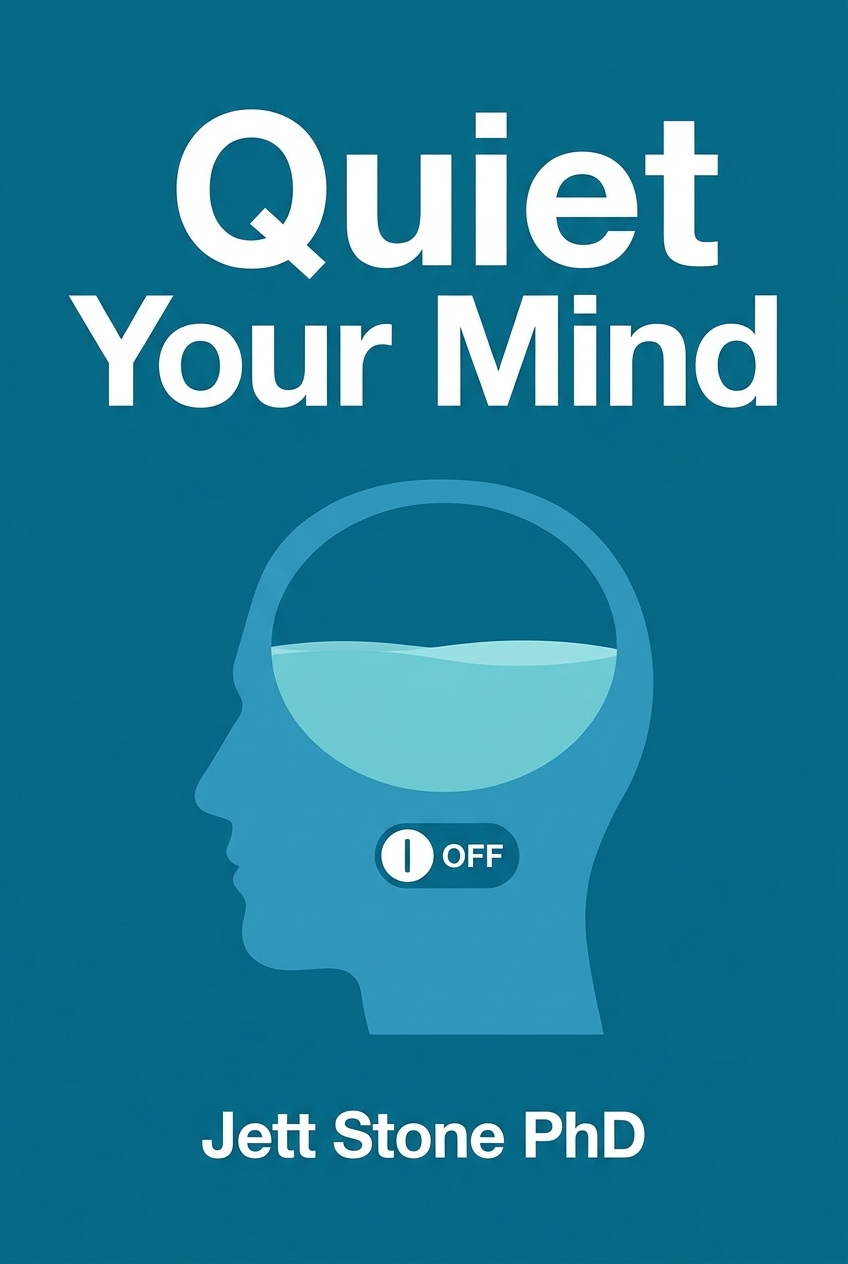
Tired of your own mind working against you? Learn how to silence the endless cycle of overthinking and anxiety that's holding you back. This guide offers practical, no-nonsense techniques specifically for men to reclaim mental clarity and finally take decisive action in their lives. Discover the powerful psychological tools you need to break free from analysis paralysis and self-doubt. You'll explore proven methods to manage stress, build resilience, and transform your inner critic into an ally, empowering you to take charge of your career, relationships, and future with confidence.
Meet the author
Jett Stone PhD is a clinical psychologist specializing in men's mental health, with over a decade of experience helping clients overcome anxiety and chronic overthinking. His work is deeply informed by his own journey, transforming personal struggles with analysis paralysis into the actionable, evidence-based strategies he now shares. Dr. Stone founded his practice to provide the direct, no-nonsense guidance he wished he’d had, empowering men to build resilience and lead more decisive, fulfilling lives.
The Script
You've reached the end of the free preview.