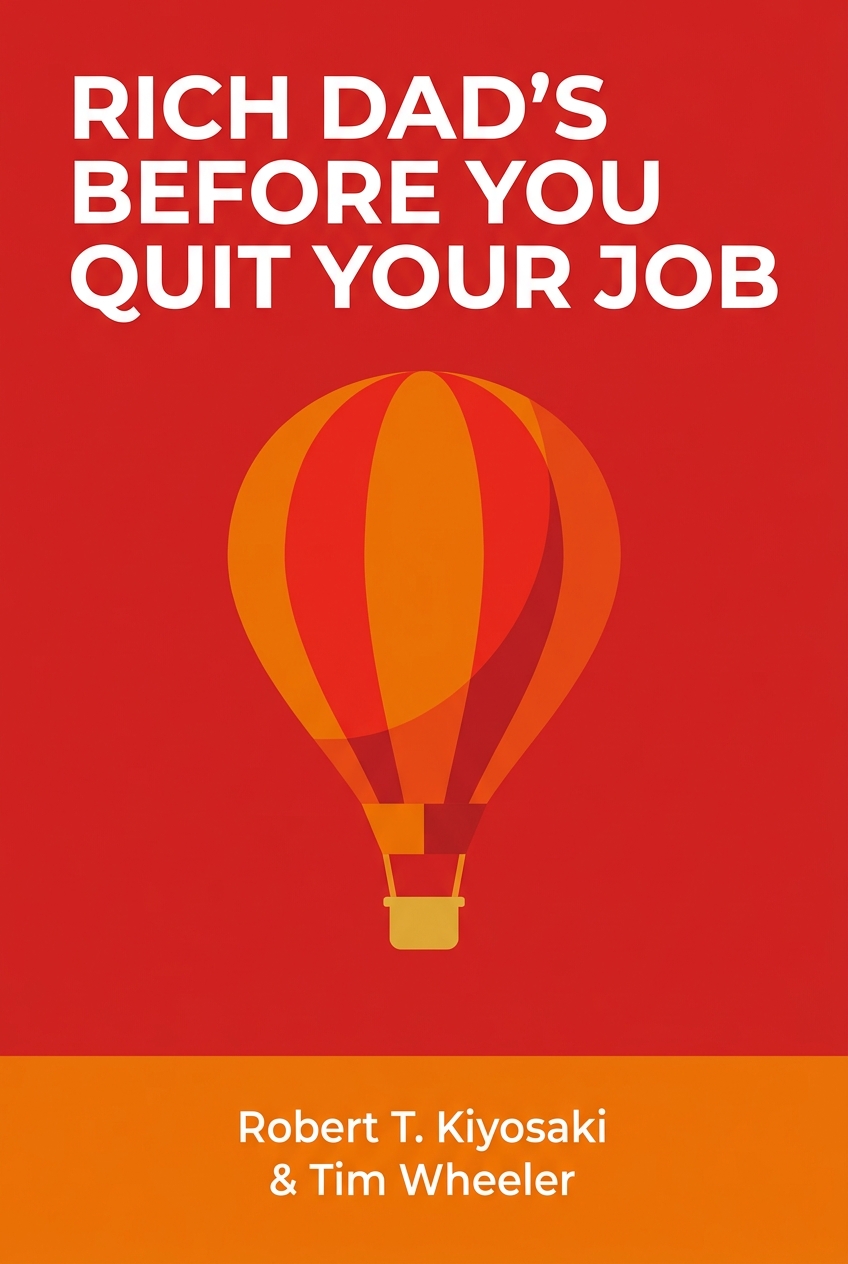
Rich Dad's Before You Quit Your Job
10 Real-Life Lessons Every Entrepreneur Should Know About Building a Multimillion-Dollar Business
What's it about
Dreaming of quitting your job to start a business? Before you take the leap, learn how to build a company that lasts. This summary reveals Robert Kiyosaki's essential lessons for moving from an employee mindset to a multimillion-dollar entrepreneurial one, ensuring your venture is built to succeed. You'll discover the crucial difference between working for money and making money work for you. Learn the ten real-world commandments of entrepreneurship, from mastering cash flow to building a mission-driven team, and get the practical guidance you need to turn your big idea into a thriving business.
Meet the author
Robert T. Kiyosaki is the visionary author of "Rich Dad Poor Dad," the 1 personal finance book of all time, which has challenged and changed the way tens of millions of people think about money. Drawing from his own journey of building and losing businesses before achieving massive success, Kiyosaki’s real-world experience provides the tough, unconventional wisdom entrepreneurs need to succeed. His insights are born from the battlefield of business, not the comfort of a classroom, offering practical lessons for aspiring empire-builders.
What's it about
Dreaming of quitting your job to start a business? Before you take the leap, learn how to build a company that lasts. This summary reveals Robert Kiyosaki's essential lessons for moving from an employee mindset to a multimillion-dollar entrepreneurial one, ensuring your venture is built to succeed. You'll discover the crucial difference between working for money and making money work for you. Learn the ten real-world commandments of entrepreneurship, from mastering cash flow to building a mission-driven team, and get the practical guidance you need to turn your big idea into a thriving business.
Meet the author
Robert T. Kiyosaki is the visionary author of "Rich Dad Poor Dad," the 1 personal finance book of all time, which has challenged and changed the way tens of millions of people think about money. Drawing from his own journey of building and losing businesses before achieving massive success, Kiyosaki’s real-world experience provides the tough, unconventional wisdom entrepreneurs need to succeed. His insights are born from the battlefield of business, not the comfort of a classroom, offering practical lessons for aspiring empire-builders.
The Script
You've reached the end of the free preview.