The Anatomy of Violence
What's it about
Ever wondered what truly makes a criminal? Is it their upbringing, or is there something deeper, something biological, at play? Get ready to explore the controversial idea that some individuals are simply born to be violent, based on their brain chemistry and genetics. You'll discover the groundbreaking research linking specific brain abnormalities, low resting heart rates, and even poor nutrition to criminal behavior. Neurocriminologist Adrian Raine uncovers the biological roots of violence, challenging everything you thought you knew about crime, punishment, and free will.
Meet the author
Adrian Raine is a British psychologist and the Richard Perry University Professor of Criminology, Psychiatry, and Psychology at the University of Pennsylvania, specializing in neurocriminology. He was the first person to use brain imaging to study violent offenders, conducting groundbreaking research in US prisons for over four decades. This unique position, bridging the worlds of academic science and real-world crime, allowed him to develop the pioneering neurodevelopmental perspective on the origins of violence detailed in his work.
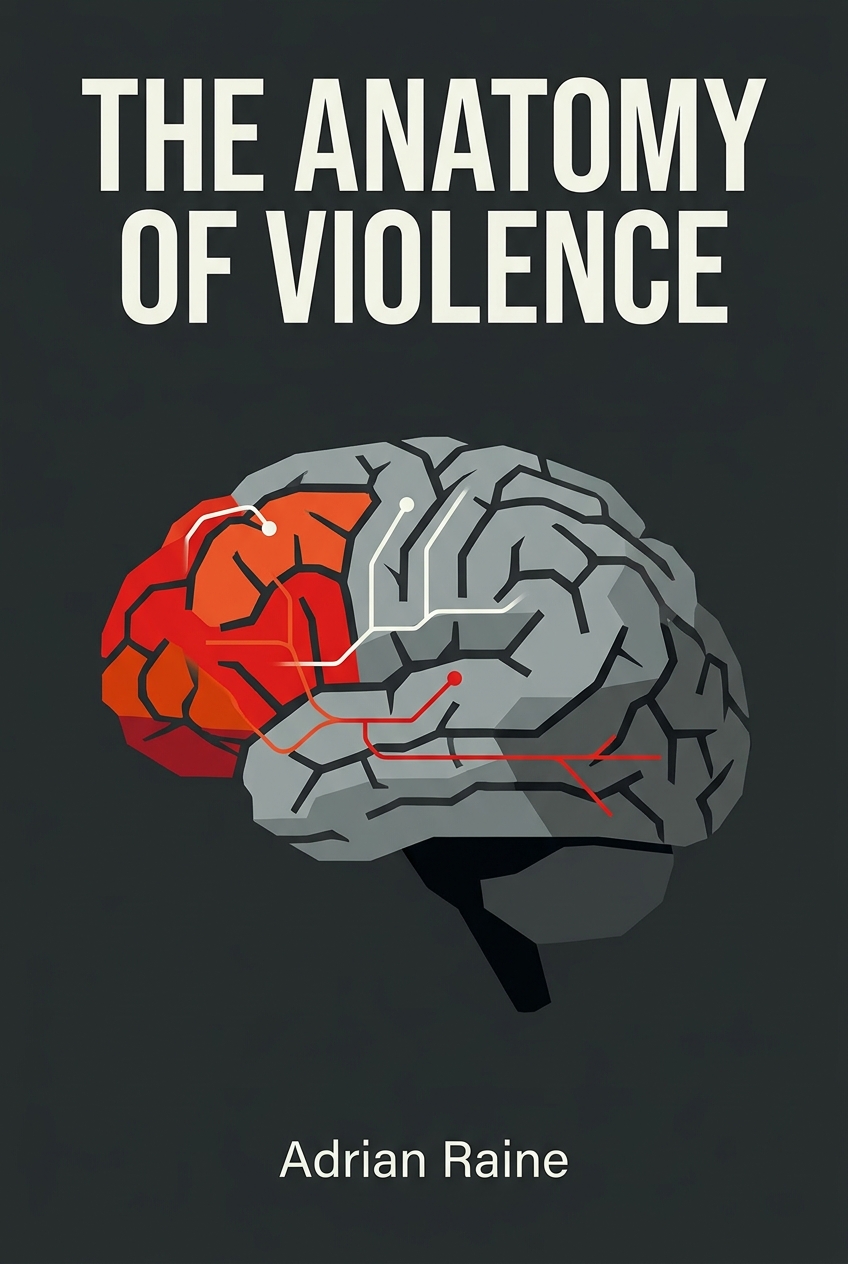
What's it about
Ever wondered what truly makes a criminal? Is it their upbringing, or is there something deeper, something biological, at play? Get ready to explore the controversial idea that some individuals are simply born to be violent, based on their brain chemistry and genetics. You'll discover the groundbreaking research linking specific brain abnormalities, low resting heart rates, and even poor nutrition to criminal behavior. Neurocriminologist Adrian Raine uncovers the biological roots of violence, challenging everything you thought you knew about crime, punishment, and free will.
Meet the author
Adrian Raine is a British psychologist and the Richard Perry University Professor of Criminology, Psychiatry, and Psychology at the University of Pennsylvania, specializing in neurocriminology. He was the first person to use brain imaging to study violent offenders, conducting groundbreaking research in US prisons for over four decades. This unique position, bridging the worlds of academic science and real-world crime, allowed him to develop the pioneering neurodevelopmental perspective on the origins of violence detailed in his work.
The Script
You've reached the end of the free preview.