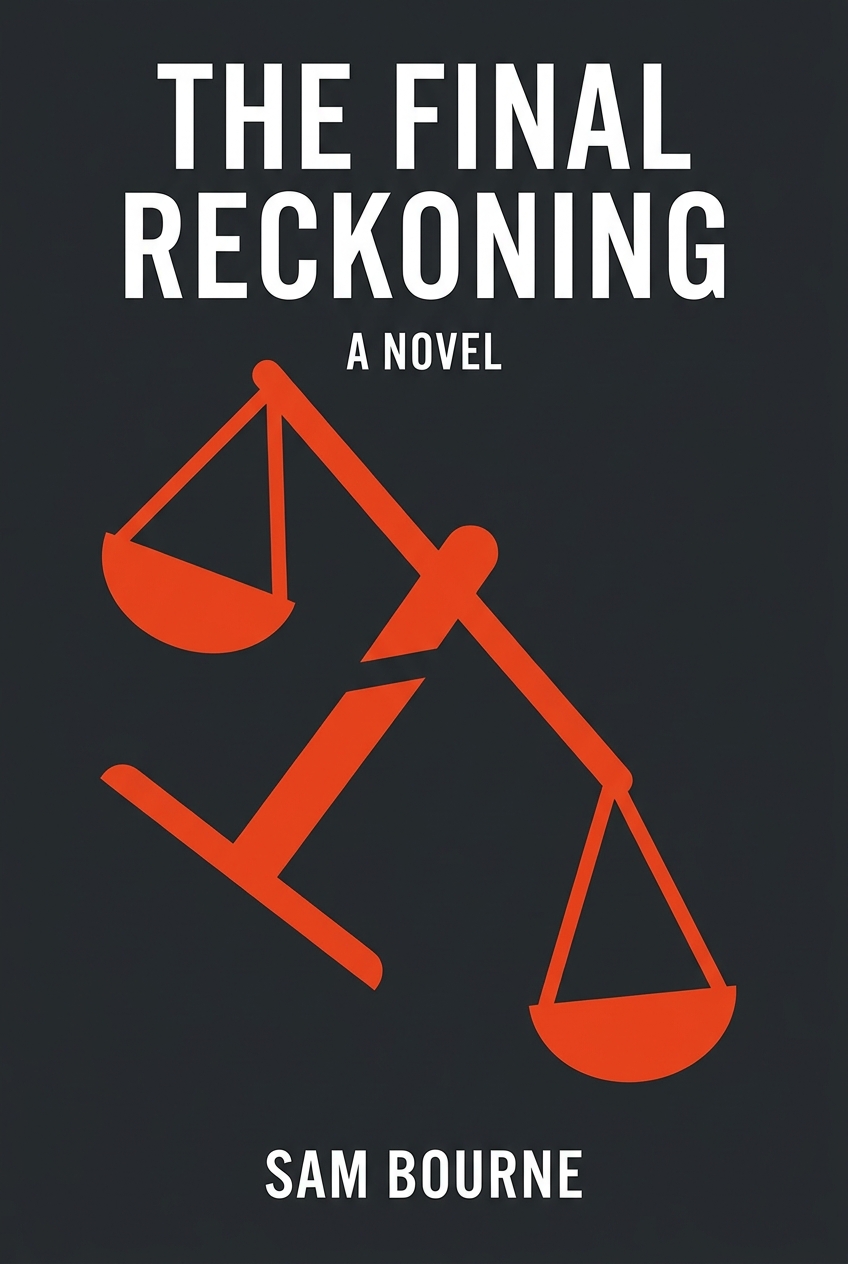
The Final Reckoning
A Novel
What's it about
What if the darkest chapter of history never truly ended? Imagine discovering that the architects of the Holocaust are not only alive but have been secretly plotting a new atrocity from the shadows. This is the terrifying reality facing one man. You'll follow a former UN negotiator as he races against time, deciphering clues left by a murdered Nazi hunter. Uncover a sinister global conspiracy that stretches from the halls of power to the darkest corners of the internet, and learn how a 70-year-old vendetta threatens to unleash a final, catastrophic reckoning upon the world.
Meet the author
Sam Bourne is the pseudonym of Jonathan Freedland, an award-winning journalist and broadcaster for The Guardian and BBC Radio 4 with over two decades of experience covering international politics. His extensive background reporting on war crimes, extremism, and historical justice provided the authentic foundation for this gripping novel about the hunt for the last Nazi. Freedland's deep understanding of the darkest chapters of history and the complexities of retribution infuses his fiction with unparalleled realism and moral weight.
What's it about
What if the darkest chapter of history never truly ended? Imagine discovering that the architects of the Holocaust are not only alive but have been secretly plotting a new atrocity from the shadows. This is the terrifying reality facing one man. You'll follow a former UN negotiator as he races against time, deciphering clues left by a murdered Nazi hunter. Uncover a sinister global conspiracy that stretches from the halls of power to the darkest corners of the internet, and learn how a 70-year-old vendetta threatens to unleash a final, catastrophic reckoning upon the world.
Meet the author
Sam Bourne is the pseudonym of Jonathan Freedland, an award-winning journalist and broadcaster for The Guardian and BBC Radio 4 with over two decades of experience covering international politics. His extensive background reporting on war crimes, extremism, and historical justice provided the authentic foundation for this gripping novel about the hunt for the last Nazi. Freedland's deep understanding of the darkest chapters of history and the complexities of retribution infuses his fiction with unparalleled realism and moral weight.
The Script
You've reached the end of the free preview.