The Importance of Being Earnest
What's it about
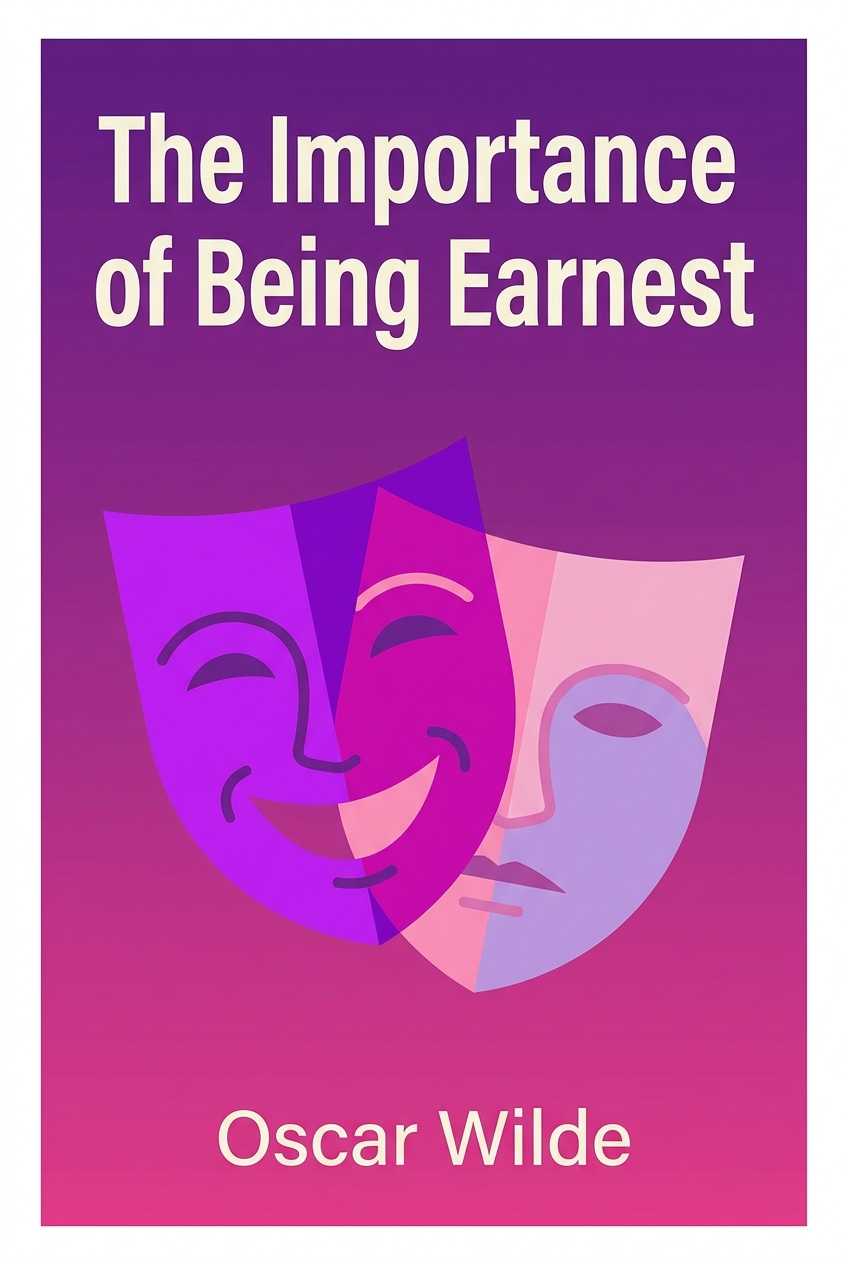
Tired of the pressure to be perfect all the time? What if the secret to getting what you want lies in being a little less serious? Discover how a bit of playful deception can help you escape obligations and win the heart of your desire. Oscar Wilde's classic comedy reveals how two friends, Jack and Algernon, use the same fictional identity—"Ernest"—to live a double life. You'll learn how their clever web of white lies and witty banter hilariously unravels, exposing the absurd rules of high society and the surprising power of not always being so earnest.
Meet the author
Oscar Wilde was a leading figure of the late 19th-century Aesthetic movement, celebrated for his brilliant wit, flamboyant style, and masterful command of the English language. A Dublin-born poet, playwright, and novelist, his works challenged the stuffy conventions of Victorian society. Wilde’s own life was a performance of art and intellectualism, and his sharp social observations and belief in "art for art's sake" are perfectly crystalized in the dazzling dialogue and satirical genius of his most enduring play.
What's it about
Tired of the pressure to be perfect all the time? What if the secret to getting what you want lies in being a little less serious? Discover how a bit of playful deception can help you escape obligations and win the heart of your desire. Oscar Wilde's classic comedy reveals how two friends, Jack and Algernon, use the same fictional identity—"Ernest"—to live a double life. You'll learn how their clever web of white lies and witty banter hilariously unravels, exposing the absurd rules of high society and the surprising power of not always being so earnest.
Meet the author
Oscar Wilde was a leading figure of the late 19th-century Aesthetic movement, celebrated for his brilliant wit, flamboyant style, and masterful command of the English language. A Dublin-born poet, playwright, and novelist, his works challenged the stuffy conventions of Victorian society. Wilde’s own life was a performance of art and intellectualism, and his sharp social observations and belief in "art for art's sake" are perfectly crystalized in the dazzling dialogue and satirical genius of his most enduring play.
The Script
You've reached the end of the free preview.