The Little Book of Common Sense Investing
The Only Way to Guarantee Your Fair Share of Stock Market Returns
What's it about
Tired of gambling on individual stocks and paying high fees for mediocre returns? Discover the simple, time-tested strategy to capture your fair share of market growth. This book reveals the one investment approach that consistently outperforms the vast majority of professional money managers. You'll learn why trying to beat the market is a loser's game and how to use low-cost index funds to build long-term wealth passively. Legendary investor John C. Bogle provides a clear, common-sense blueprint for a successful investment journey, free from hype and complexity.
Meet the author
John C. Bogle was the legendary founder of The Vanguard Group, where he created the world's first index mutual fund and revolutionized the investment industry for millions. A fierce advocate for the individual investor, he dedicated his career to developing a low-cost, common-sense approach to building wealth. His philosophy, distilled in this book, champions a simple yet powerful strategy: own a diversified portfolio of stocks and hold it for the long term, ensuring you receive your fair share of market returns.
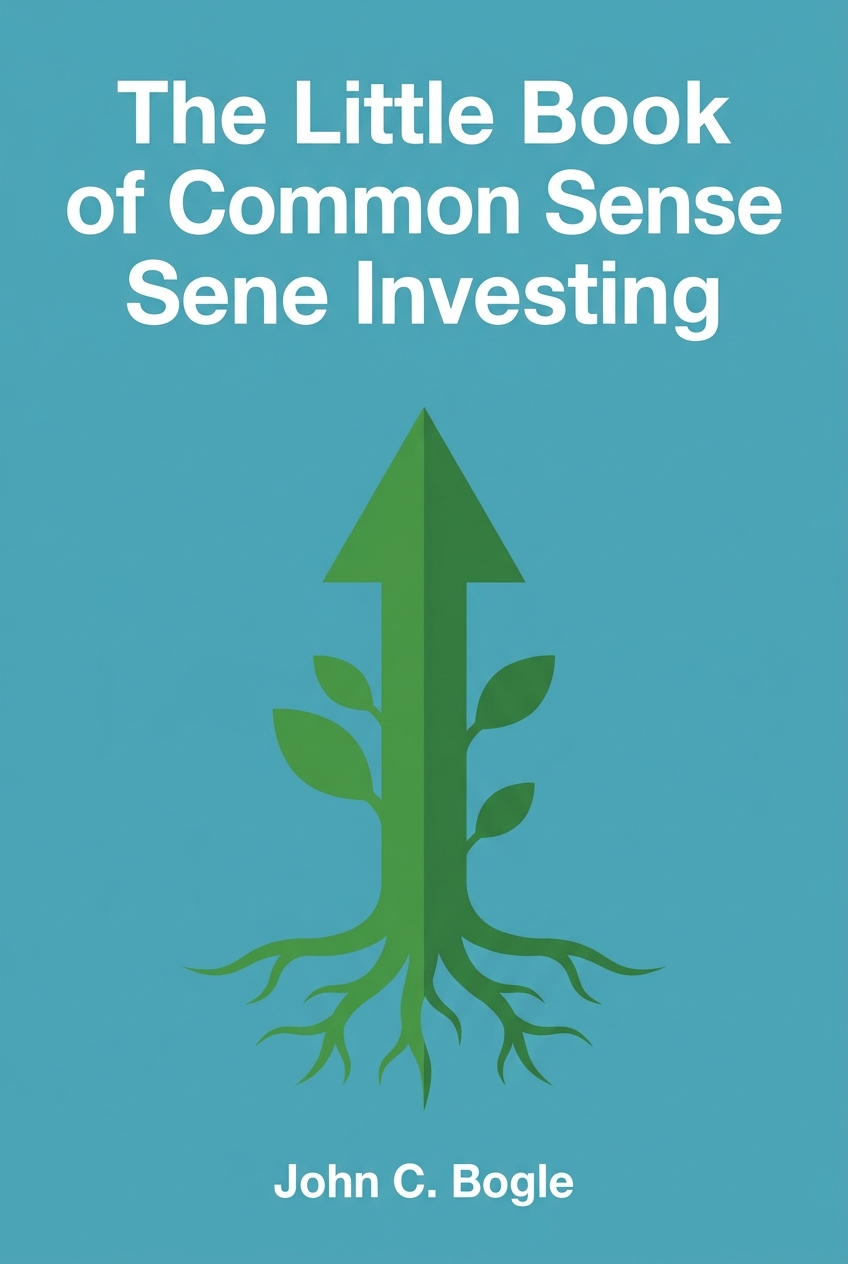
What's it about
Tired of gambling on individual stocks and paying high fees for mediocre returns? Discover the simple, time-tested strategy to capture your fair share of market growth. This book reveals the one investment approach that consistently outperforms the vast majority of professional money managers. You'll learn why trying to beat the market is a loser's game and how to use low-cost index funds to build long-term wealth passively. Legendary investor John C. Bogle provides a clear, common-sense blueprint for a successful investment journey, free from hype and complexity.
Meet the author
John C. Bogle was the legendary founder of The Vanguard Group, where he created the world's first index mutual fund and revolutionized the investment industry for millions. A fierce advocate for the individual investor, he dedicated his career to developing a low-cost, common-sense approach to building wealth. His philosophy, distilled in this book, champions a simple yet powerful strategy: own a diversified portfolio of stocks and hold it for the long term, ensuring you receive your fair share of market returns.
The Script
You've reached the end of the free preview.