All Books
Self-Growth
Business & Career
Health & Wellness
Society & Culture
Money & Finance
Relationships
Science & Tech
Fiction
Topics
Blog
Download on the App Store

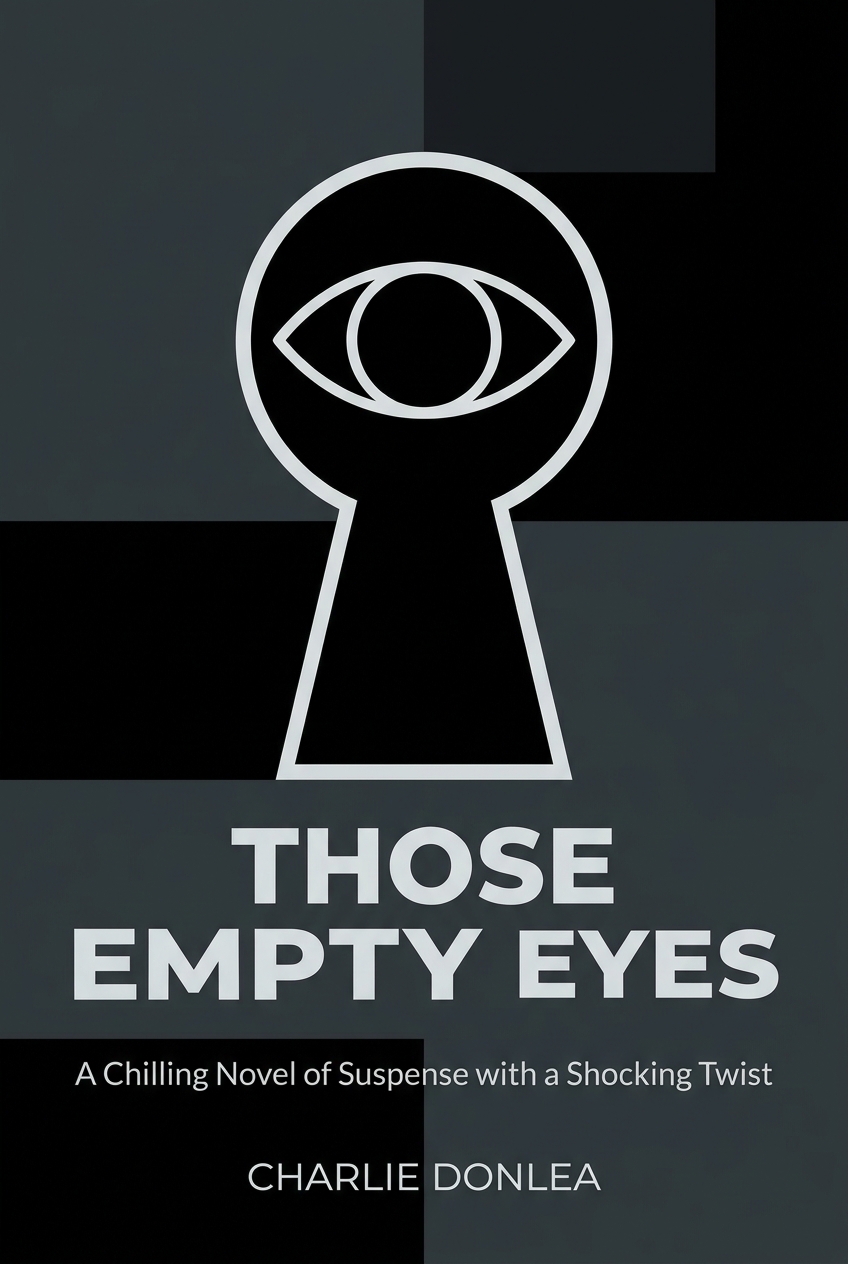
Those Empty Eyes

A Chilling Novel of Suspense with a Shocking Twist

13 minCharlie Donlea

What's it about

Ever wondered what it takes to unmask a killer when you're the prime suspect? Discover the chilling story of a woman who survived her family's massacre only to be branded "Empty-Eyed" by the media. Now, she's using her infamous past to solve a new, terrifying case. This summary takes you inside the mind of a determined investigator haunted by her own tragedy. You'll follow her as she navigates a high-stakes world of forensic science and psychological profiling, uncovering shocking secrets that connect the present-day crime to the dark night that defined her life.

Meet the author

Charlie Donlea is a USA Today and international bestselling author of critically acclaimed suspense novels that have been translated into more than twenty languages. Drawing from his deep interest in forensic science and the intricacies of criminal investigations, Donlea crafts chillingly realistic stories that explore the dark corners of the human psyche. His meticulous research and compelling characters have earned him a reputation as a master of the page-turning thriller, captivating readers around the globe.
Listen Now
Those Empty Eyes book cover

The Script

Think of a person whose face is a national headline—a face you know from grainy news footage, from the cover of a magazine, a face forever linked to a horrific crime. For years, you've seen it staring back at you, a symbol of tragedy, a puzzle to be debated. You feel you know her story. You've heard the theories, you've seen the documentaries, you've formed an opinion. Now, what happens when that person walks into a room? What happens when the symbol becomes a person standing right in front of you, looking back, and you realize the story you thought you knew was just the public version—a carefully constructed narrative for mass consumption?

This is the haunting territory that Charlie Donlea, a best-selling author known for his intricate, high-stakes thrillers, explores in Those Empty Eyes. The novel was born from his fascination with the real-life survivors of infamous tragedies who are forced to live in the shadow of their own public myth. Donlea, who has a history of crafting stories that peel back the layers of long-buried secrets, wanted to delve into the psychological aftermath: what happens when a survivor, forged in the crucible of a national nightmare, develops a unique, almost unnerving ability to see the truth behind the lies everyone else tells? He wrote the book to give a voice to the silent witness at the center of the storm, turning a public tragedy into a deeply personal, suspenseful quest for justice.

Module 1: The Anatomy of a Flawed Investigation

The story opens with a brutal home invasion. A shooter, driven by a twisted sense of justice, executes a family. But the plan goes wrong. A teenager, Alexandra Quinlan, survives. When police arrive, they find a girl in shock, holding a shotgun. The scene is chaotic. Adrenaline is high. And in that moment, a fatal assumption is made.

The first responders, overwhelmed and inexperienced, see a girl with a gun and a dead family. They immediately conclude the survivor is the killer. This is a critical failure. Officer Donna Koppel, one of the first on the scene, later admits their emotions—shock, horror, confusion—clouded their judgment. Reason and logic took hours to return. By then, the damage was done. Alexandra was treated as a suspect. She was handcuffed, interrogated without a guardian, and thrown into juvenile detention.

This leads to the next failure. Institutional protocols can compound a victim's trauma. The system, designed for procedure, moved forward without empathy. Alexandra was a minor, in shock, having just witnessed her family’s murder. Yet she was subjected to an aggressive interrogation at 3:30 in the morning. Her attorney, Garrett Lancaster, later argues that this was the "exact opposite of what a civilized society" should have provided. The institutions designed to protect her instead became her tormentors.

And here's where it gets worse. Media sensationalism cements a damaging public narrative. A reporter, Tracy Carr, is live at the scene. She captures the image of a dazed, traumatized girl being led away in handcuffs. The camera zooms in on her vacant stare. From this, a nickname is born: "Empty Eyes." That label sticks. It spreads nationwide. It transforms a grieving child into a cold-blooded killer in the public imagination. The media's need for a simple, dramatic story—"if it bleeds, it leads"—overrides any presumption of innocence. Alexandra is tried and convicted in the court of public opinion long before her legal case even begins. This public branding follows her for a decade, a constant reminder of a crime she didn't commit.

Read More