Tiny Humans, Big Emotions
How to Navigate Tantrums, Meltdowns, and Defiance to Raise Emotionally Intelligent Children
What's it about
Tired of navigating the stormy seas of tantrums, meltdowns, and defiance? Discover a revolutionary, science-backed approach to discipline that transforms these challenging moments into opportunities for connection and growth, helping you raise an emotionally intelligent child without the power struggles. You'll learn the Collaborative Emotion Processing method, a simple yet powerful framework for understanding what's really happening in your child's brain during an outburst. Move beyond traditional discipline and gain practical tools to co-regulate with your child, validate their feelings, and set firm, loving boundaries. This is your guide to fostering resilience and emotional intelligence for a lifetime.
Meet the author
Alyssa Blask Campbell, an emotional development expert with a master's in early childhood education, and Lauren Elizabeth Stauble, a crisis intervention specialist, are the voices behind Collaborative Emotion Processing. Their combined expertise in research-based, respectful parenting and real-world crisis management led them to develop the CEP method. Together, they founded Seed & Sew to empower parents and educators with the tools to nurture emotionally intelligent children through connection and understanding, which are at the heart of their book.
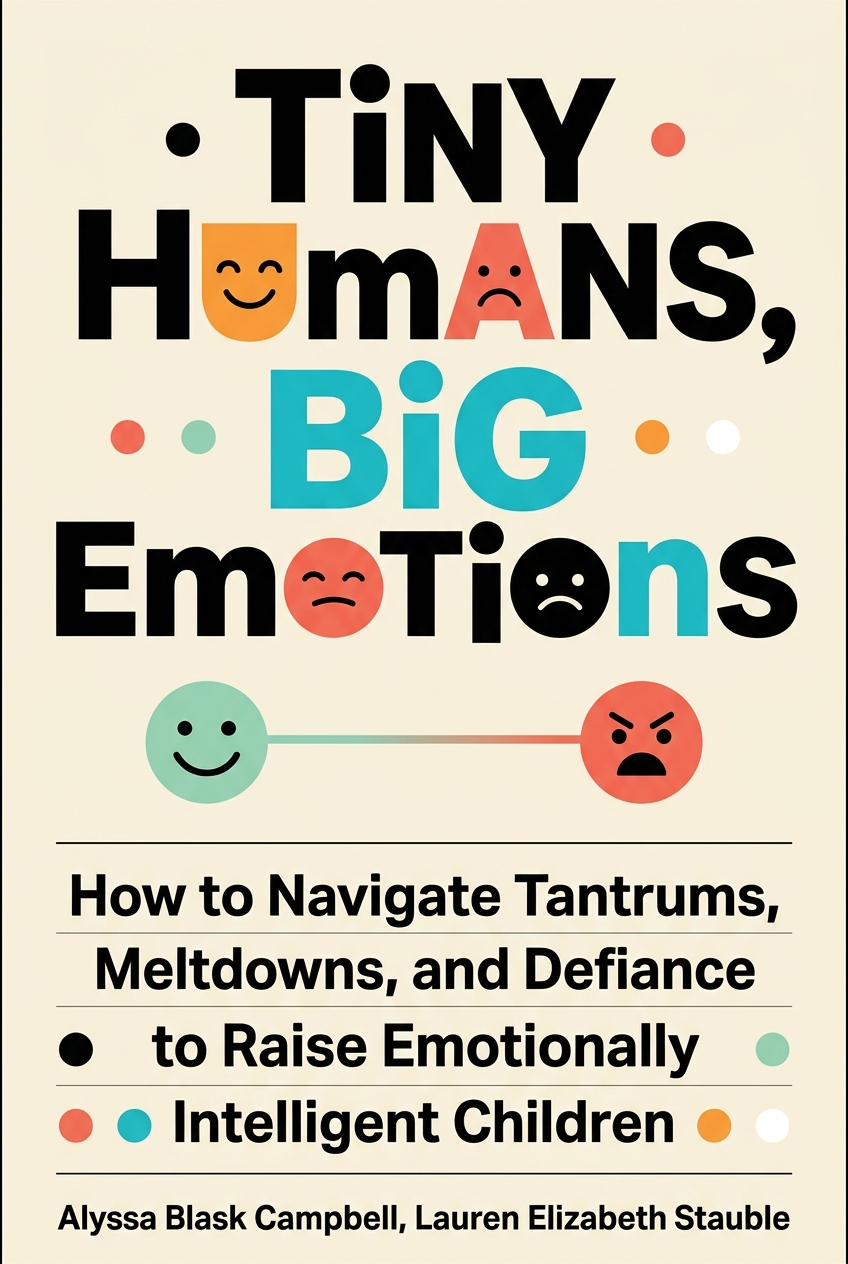
What's it about
Tired of navigating the stormy seas of tantrums, meltdowns, and defiance? Discover a revolutionary, science-backed approach to discipline that transforms these challenging moments into opportunities for connection and growth, helping you raise an emotionally intelligent child without the power struggles. You'll learn the Collaborative Emotion Processing method, a simple yet powerful framework for understanding what's really happening in your child's brain during an outburst. Move beyond traditional discipline and gain practical tools to co-regulate with your child, validate their feelings, and set firm, loving boundaries. This is your guide to fostering resilience and emotional intelligence for a lifetime.
Meet the author
Alyssa Blask Campbell, an emotional development expert with a master's in early childhood education, and Lauren Elizabeth Stauble, a crisis intervention specialist, are the voices behind Collaborative Emotion Processing. Their combined expertise in research-based, respectful parenting and real-world crisis management led them to develop the CEP method. Together, they founded Seed & Sew to empower parents and educators with the tools to nurture emotionally intelligent children through connection and understanding, which are at the heart of their book.
The Script
You've reached the end of the free preview.