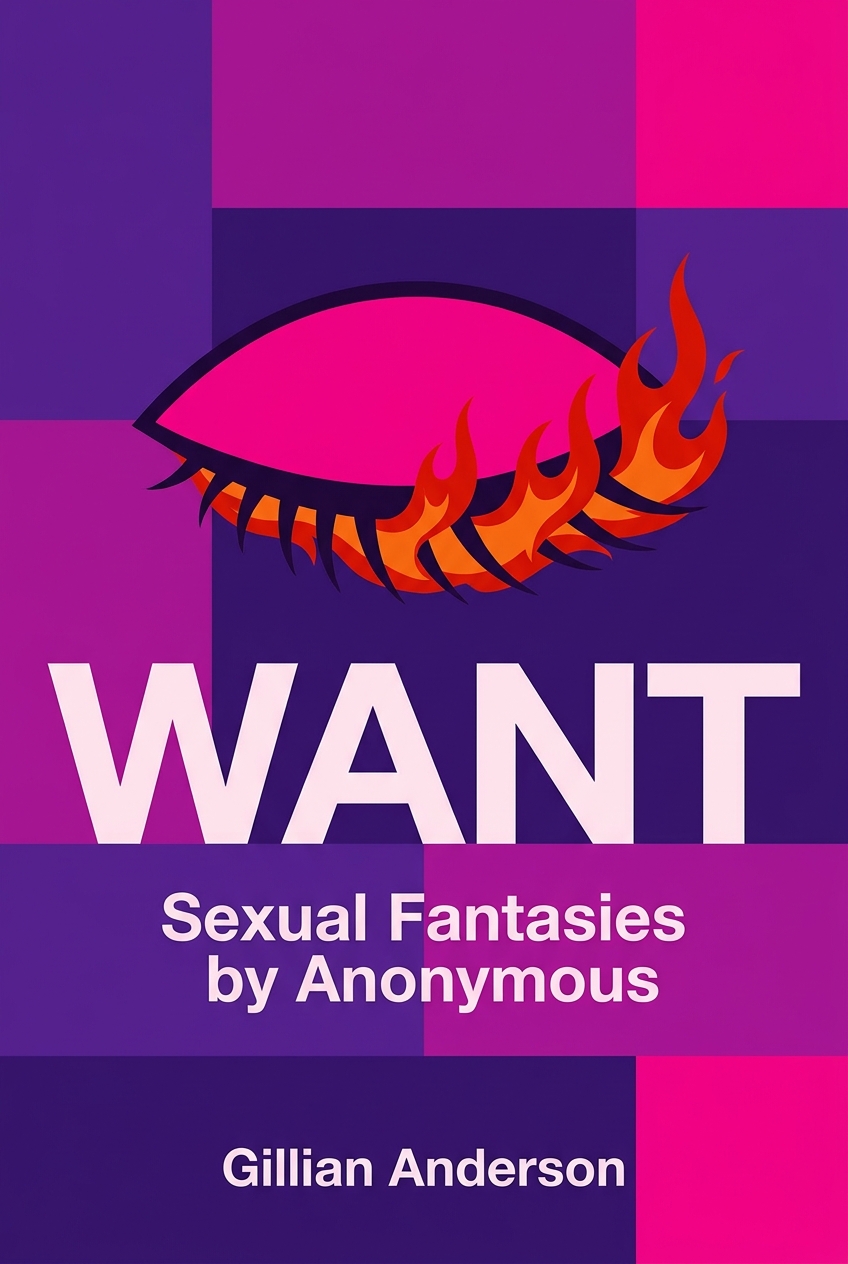
Want
Sexual Fantasies by Anonymous
What's it about
Ever wondered what other people are fantasizing about? This intimate collection of anonymous letters reveals the secret desires, kinks, and sexual fantasies of people just like you, offering a surprisingly relatable and liberating glimpse into what truly turns us on. Discover the powerful truth that your own desires are not as strange as you might think. By exploring this raw and honest tapestry of human sexuality, you’ll gain a new perspective on intimacy, communication, and the freedom that comes from embracing your authentic self without shame or judgment.
Meet the author
As an award-winning actress, activist, and producer, Gillian Anderson has spent her career exploring the depths of human experience, from scientific inquiry to the supernatural. This lifelong curiosity about what makes us tick, combined with a desire to destigmatize female desire, led her to co-author Want. By gathering anonymous fantasies from women worldwide, she provides a powerful, unfiltered look into the female psyche, championing a more honest conversation about sexuality and the things we secretly desire.
What's it about
Ever wondered what other people are fantasizing about? This intimate collection of anonymous letters reveals the secret desires, kinks, and sexual fantasies of people just like you, offering a surprisingly relatable and liberating glimpse into what truly turns us on. Discover the powerful truth that your own desires are not as strange as you might think. By exploring this raw and honest tapestry of human sexuality, you’ll gain a new perspective on intimacy, communication, and the freedom that comes from embracing your authentic self without shame or judgment.
Meet the author
As an award-winning actress, activist, and producer, Gillian Anderson has spent her career exploring the depths of human experience, from scientific inquiry to the supernatural. This lifelong curiosity about what makes us tick, combined with a desire to destigmatize female desire, led her to co-author Want. By gathering anonymous fantasies from women worldwide, she provides a powerful, unfiltered look into the female psyche, championing a more honest conversation about sexuality and the things we secretly desire.
The Script
You've reached the end of the free preview.