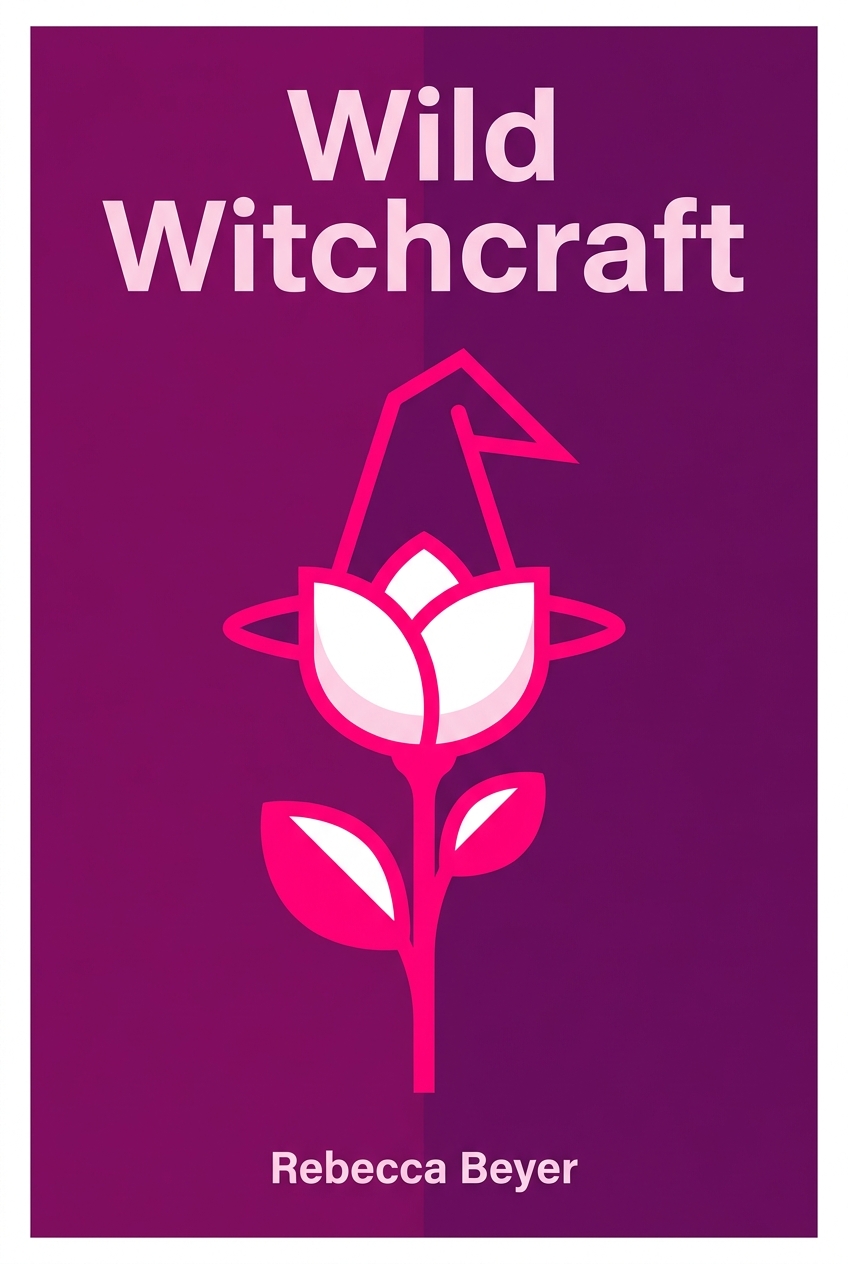
Wild Witchcraft
Folk Herbalism, Garden Magic, and Foraging for Spells, Rituals, and Remedies
What's it about
Ready to connect your witchcraft practice to the earth beneath your feet? Discover how to move beyond store-bought tools and embrace the true, wild magic of nature by learning the folk traditions of Appalachia for a more authentic and powerful spiritual path. You'll learn to forage for your own spell ingredients, cultivate a magical garden, and craft traditional herbal remedies. This guide teaches you everything from ethically harvesting plants to performing rituals that align with the seasons, helping you build a practice that’s both sustainable and deeply personal.
Meet the author
Rebecca Beyer is an Appalachian folk herbalist, forager, and founder of the Blood and Spicebush School of Old Craft, dedicated to preserving and sharing southern folk traditions. Her deep connection to the mountains of Western North Carolina, where her family has lived for generations, informs her work. This ancestral knowledge and hands-on experience with the land's magical and medicinal properties are woven throughout the pages of Wild Witchcraft, offering readers an authentic path to connecting with nature's power.
What's it about
Ready to connect your witchcraft practice to the earth beneath your feet? Discover how to move beyond store-bought tools and embrace the true, wild magic of nature by learning the folk traditions of Appalachia for a more authentic and powerful spiritual path. You'll learn to forage for your own spell ingredients, cultivate a magical garden, and craft traditional herbal remedies. This guide teaches you everything from ethically harvesting plants to performing rituals that align with the seasons, helping you build a practice that’s both sustainable and deeply personal.
Meet the author
Rebecca Beyer is an Appalachian folk herbalist, forager, and founder of the Blood and Spicebush School of Old Craft, dedicated to preserving and sharing southern folk traditions. Her deep connection to the mountains of Western North Carolina, where her family has lived for generations, informs her work. This ancestral knowledge and hands-on experience with the land's magical and medicinal properties are woven throughout the pages of Wild Witchcraft, offering readers an authentic path to connecting with nature's power.
The Script
You've reached the end of the free preview.