All Books
Self-Growth
Business & Career
Health & Wellness
Society & Culture
Money & Finance
Relationships
Science & Tech
Fiction
Topics
Blog
Download on the App Store

Great Us History Books

Understanding America's complex past is essential for navigating its present. This list offers some of the best books on american history, cutting through the myths to reveal the nation's true stories of conflict, progress, and resilience. From the founding fathers to the unsung heroes who shaped the country, these are truly great us history books that offer diverse perspectives. Whether you're a curious beginner or a seasoned history buff, these summaries provide powerful insights into the forces that built the nation. Curated by the VoxBrief team.

#1
The Warmth of Other Suns cover

The Warmth of Other Suns

by Isabel Wilkerson, Robin Miles

Discover the Great Migration, the six-decade exodus that reshaped modern America.

Key Takeaways
  • The Great Migration was a leaderless revolution of six million Black Americans.
  • Personal stories reveal the immense courage required to leave the oppressive South.
  • This mass movement fundamentally altered America's cultural and political landscape.
Who Should Read

Anyone curious about the hidden demographic forces that shaped the modern US.
#2
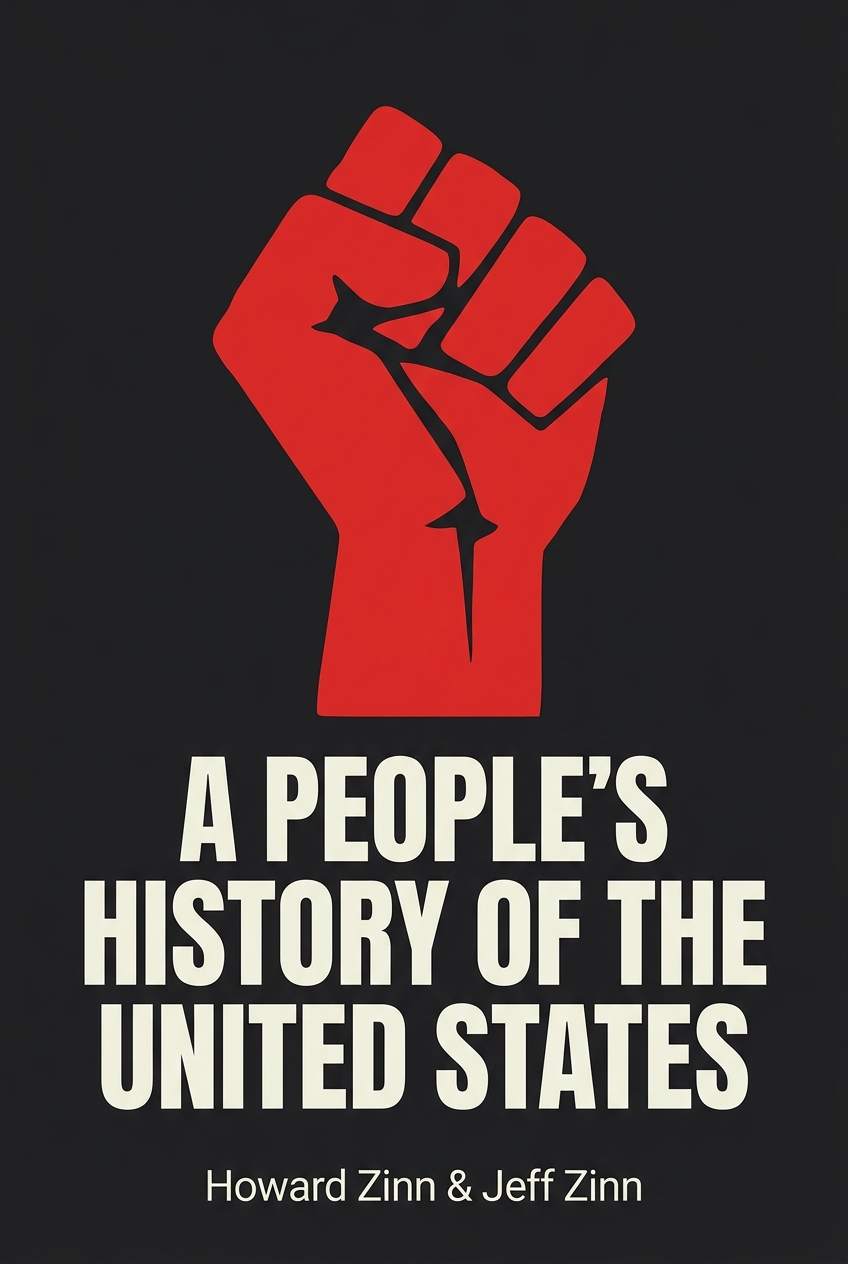
A People's History of the United States cover

A People's History of the United States

by Howard Zinn, Jeff Zinn

Uncover American history told from the perspective of its people, not its rulers.

Key Takeaways
  • Conventional history often omits the voices of workers, women, and minorities.
  • Social progress has historically been driven by grassroots rebellion and protest.
  • The nation's story is one of continuous struggle for justice and equality.
Who Should Read

Readers looking for a critical, bottom-up perspective on the American past.

#3
1776 cover

1776

by David McCullough

Experience the pivotal year of the American Revolution through its key players.

Key Takeaways
  • The year 1776 was defined by devastating losses and improbable victories.
  • George Washington's resilient leadership was crucial in keeping the cause alive.
  • Personal sacrifice and chance were as important as major battles in the war.
Who Should Read

History buffs seeking a character-driven account of the Revolutionary War's turning point.

#4
Lies My Teacher Told Me cover

Lies My Teacher Told Me

by James W. Loewen

Debunk the myths and fabrications you were taught in your high school history class.

Key Takeaways
  • Textbooks often present a sanitized, overly patriotic version of US history.
  • Historical figures like Helen Keller were more radical than commonly portrayed.
  • Understanding historical controversies is key to grasping America's complexity.
Who Should Read

Students and adults who suspect their history education was incomplete.

#5
Black AF History cover

Black AF History

by Michael Harriot

Get the unfiltered history of America told entirely from a Black perspective.

Key Takeaways
  • American history is reframed entirely through the Black experience.
  • The narrative focuses on Black rebellion, innovation, and cultural creation.
  • Whitewashed history has deliberately suppressed countless Black contributions.
Who Should Read

Anyone ready to deconstruct traditional narratives and learn Black-centric history.

#6
A Patriot's History of the United States cover

A Patriot's History of the United States

by Larry Schweikart, Michael Allen

Read a celebratory account of American history, focusing on its exceptionalism.

Key Takeaways
  • America's past is framed as a story of freedom, innovation, and global good.
  • The book highlights the genius of the Founding Fathers and capitalist principles.
  • This provides a counter-narrative to more critical historical interpretations.
Who Should Read

Readers seeking a conservative viewpoint that affirms American exceptionalism.

#7
The American Revolution cover

The American Revolution

by Geoffrey C. Ward, Ken Burns

See the Revolution through the eyes of the ordinary people who risked it all.

Key Takeaways
  • The fight for independence was a messy, human drama, not a sterile event.
  • Personal letters and diaries reveal the sacrifices of everyday individuals.
  • The revolution was driven by farmers, merchants, and even enslaved people.
Who Should Read

Those who enjoy intimate, personal stories behind major historical events.

#9
The Wright Brothers cover

The Wright Brothers

by David McCullough

Learn how two bicycle mechanics with no formal training taught the world to fly.

Key Takeaways
  • Success came from relentless work, meticulous documentation, and problem-solving.
  • The brothers mastered aerodynamics through disciplined, hands-on experimentation.
  • Their story is a blueprint for turning a bold idea into a tangible reality.
Who Should Read

Innovators, entrepreneurs, and anyone fascinated by the process of invention.

Frequently Asked Questions

For a comprehensive and engaging start, *1776* by David McCullough is excellent. It focuses on a single, crucial year, making it accessible while capturing the human drama of the Revolution. It's a great entry point before tackling broader historical surveys.

To challenge traditional narratives, consider *A People's History of the United States* by Howard Zinn or *Black AF History* by Michael Harriot. Both books highlight stories from marginalized groups and focus on history from the bottom up, offering a powerful alternative viewpoint.

The books on this list are well-researched, but they represent different interpretations of historical events. Authors like Howard Zinn and Larry Schweikart present compelling, yet opposing, arguments. Reading multiple perspectives is the best way to develop a nuanced understanding of the past.

*The Warmth of Other Suns* by Isabel Wilkerson is widely regarded as a masterpiece of narrative nonfiction. Her meticulous research combined with powerful storytelling has made it a modern classic and an essential read for understanding 20th-century America.

Browse all topics →