Books On Consciousness
Exploring what is consciousness is a journey into the heart of reality itself. This curated list of books on consciousness delves into why is consciousness important, touching on everything from neuroscience to ancient spirituality. Rather than a single, definitive book of consciousness, you'll find a spectrum of ideas that challenge and expand your perspective. These are must read consciousness books for anyone questioning the nature of their mind. Discover our top consciousness book recommendations and unlock new levels of awareness. Curated by the VoxBrief team.
The Power of Your Subconscious Mind
Unlock your subconscious to transform your health, wealth, and happiness.
- Your subconscious beliefs create your external reality.
- Use visualization and affirmations to reprogram your mind.
- Overcome fear and mental blocks to attract success.
Individuals feeling stuck and seeking to manifest change in their lives.
Unlock your subconscious to transform your health, wealth, and happiness.
Journey of Souls
Discover what happens to our souls between physical lives on Earth.
- The spirit world is a place of love, learning, and peace.
- Souls are part of groups and choose their lives for specific lessons.
- Hypnotic regression can reveal consistent details of the afterlife.
Anyone curious about the afterlife and the purpose of their soul.
Discover what happens to our souls between physical lives on Earth.
The Soul of an Octopus
Explore the surprising consciousness and emotional lives of octopuses.
- Octopuses exhibit complex problem-solving skills and unique personalities.
- These creatures can form emotional bonds with humans.
- Non-human intelligence challenges our definition of consciousness.
Animal lovers and readers questioning the boundaries of consciousness.
Explore the surprising consciousness and emotional lives of octopuses.
Autobiography of a Yogi
Unlock spiritual secrets and find profound inner peace and purpose.
- Kriya Yoga is a science for accelerating spiritual evolution.
- The mind holds untapped potential for influencing reality.
- Universal spiritual laws govern miracles and life after death.
Spiritual seekers looking for a practical path to self-realization.
Unlock spiritual secrets and find profound inner peace and purpose.
Meditations
Build unshakeable inner peace with the timeless wisdom of a Roman Emperor.
- Focus only on what you can control and accept the rest.
- Turn life's obstacles into opportunities for growth.
- Live with purpose, virtue, and awareness of your mortality.
Anyone seeking practical tools for resilience and inner tranquility.
Build unshakeable inner peace with the timeless wisdom of a Roman Emperor.
The Book
Shatter the illusion of the separate self and embrace universal connection.
- The feeling of being an isolated 'ego' is a social construct.
- Your true identity is inseparable from the entire universe.
- Accepting this connection is the key to overcoming anxiety.
Readers feeling alienated and seeking a new perspective on identity.
Shatter the illusion of the separate self and embrace universal connection.

The Hidden Messages in Water
Discover how your thoughts and words physically alter the structure of water.
- Water crystals form beautiful patterns when exposed to positive intentions.
- Negative words and emotions create distorted, chaotic crystal structures.
- Human consciousness has a direct, measurable impact on the physical world.
People interested in the intersection of intention, energy, and science.
Discover how your thoughts and words physically alter the structure of water.
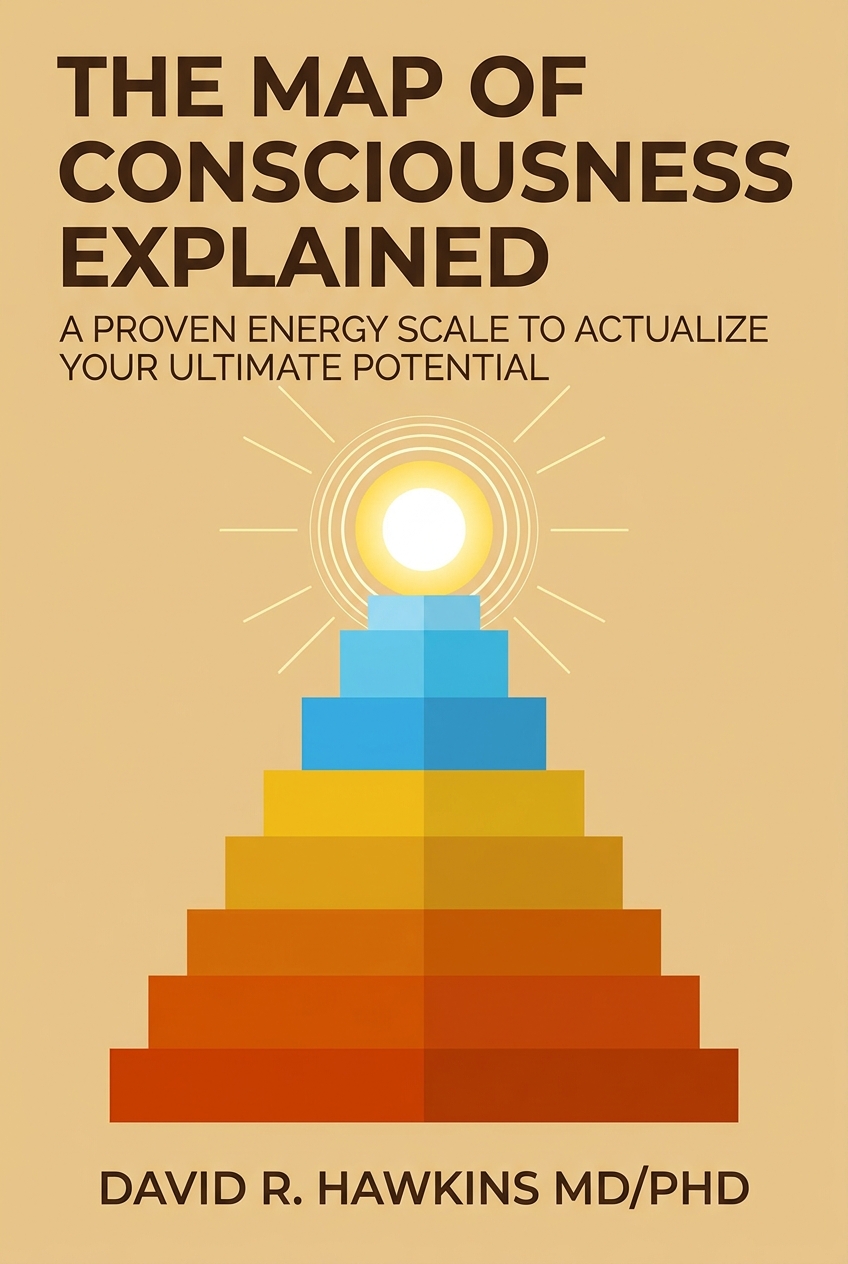
The Map of Consciousness Explained
Use a calibrated scale, like a personal book of consciousness, to raise your energy.
- Human emotions correspond to a logarithmic scale of energy levels.
- You can move from lower states (shame, guilt) to higher ones (love, peace).
- Your level of consciousness determines your perception of reality.
Individuals committed to self-improvement seeking a structured framework.
Use a calibrated scale, like a personal book of consciousness, to raise your energy.
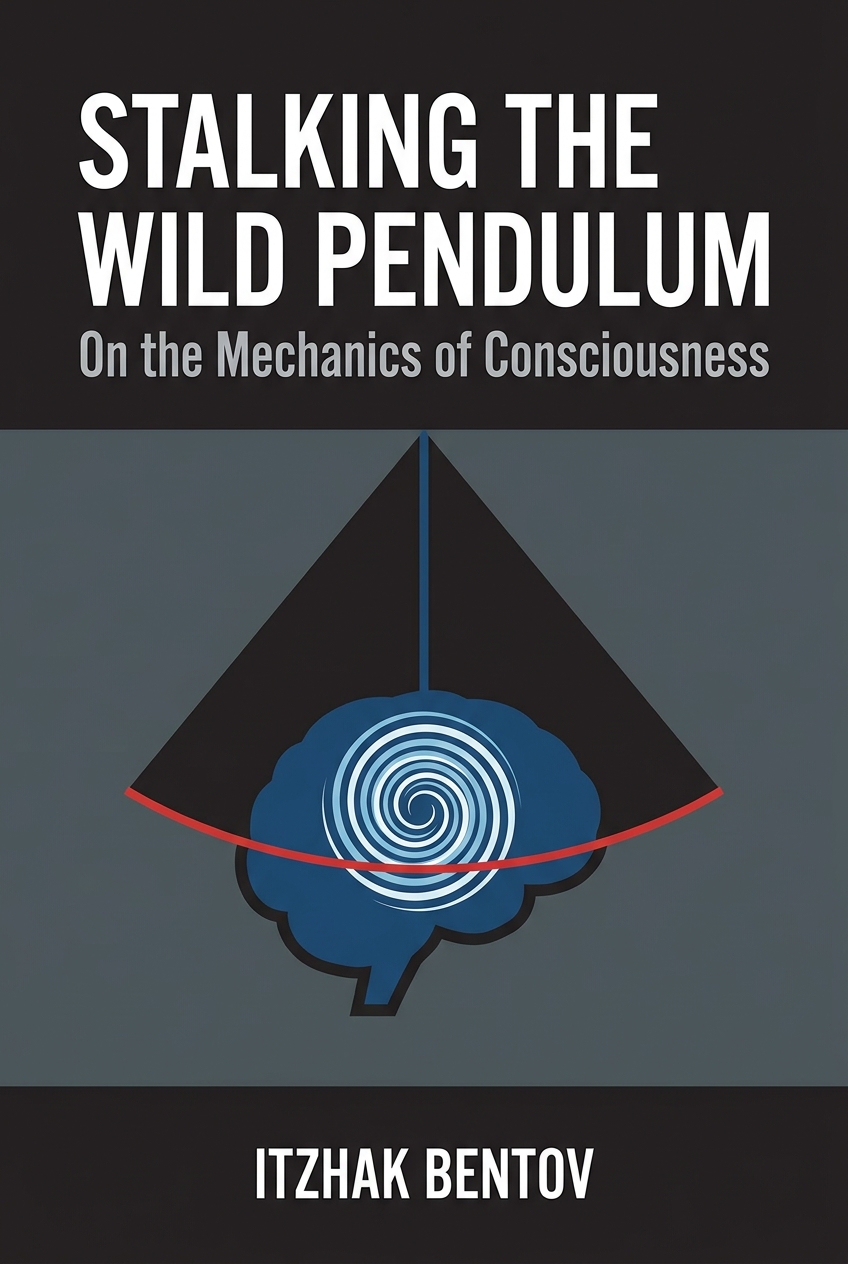
Stalking the Wild Pendulum
Explore a groundbreaking model that links your mind to the fabric of reality.
- Consciousness is a universal phenomenon, not just a product of the brain.
- Meditation synchronizes brainwaves, connecting you to a universal field.
- The body acts as a tuned antenna for cosmic information.
Curious minds who enjoy blending physics, spirituality, and theory.
Explore a groundbreaking model that links your mind to the fabric of reality.
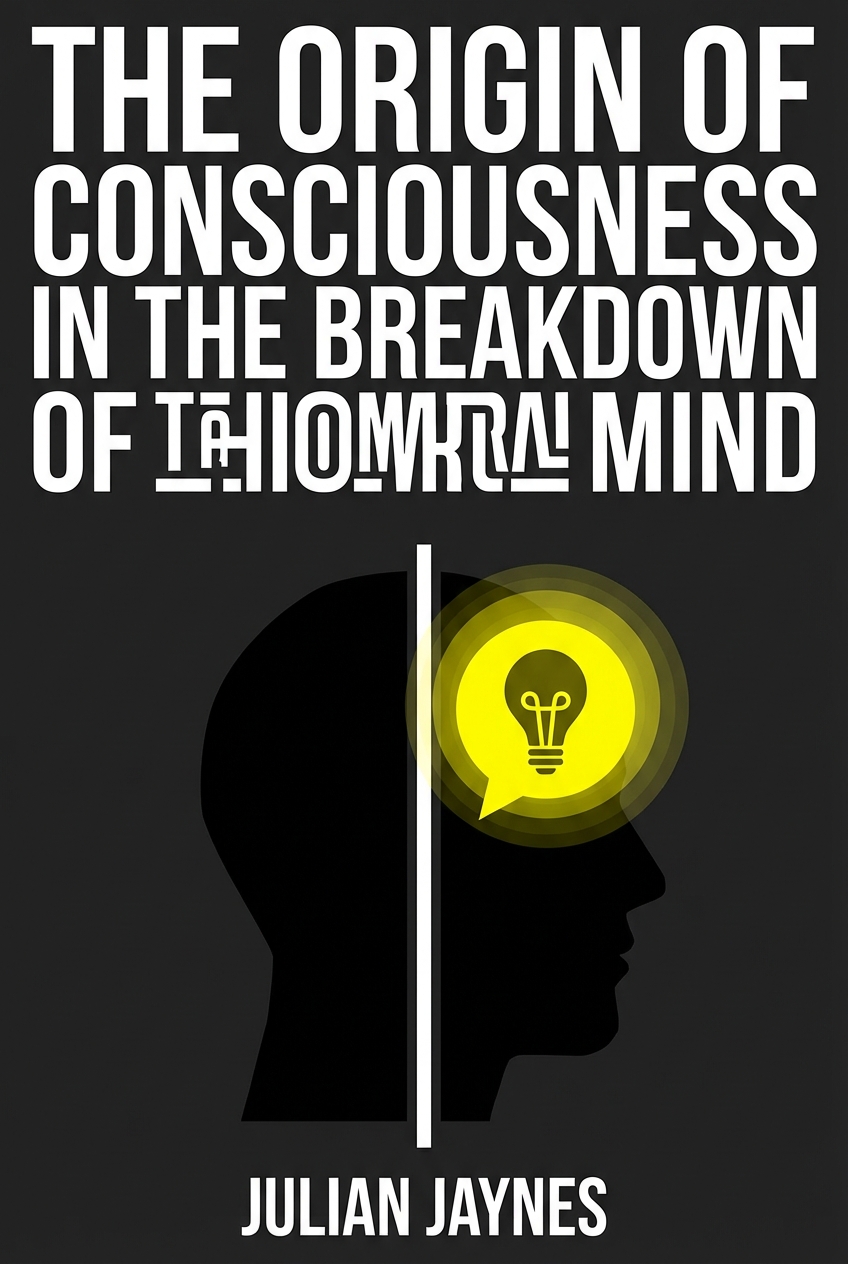
The Origin of Consciousness in the Breakdown of the Bicameral Mind
Learn the radical theory that consciousness is a recent human invention.
- Ancient humans did not have an internal monologue; they heard 'divine' voices.
- This 'bicameral mind' was a form of societal and self control.
- Subjective consciousness emerged from cultural and neurological shifts.
History buffs and thinkers who enjoy radical, paradigm-shifting ideas.
Learn the radical theory that consciousness is a recent human invention.
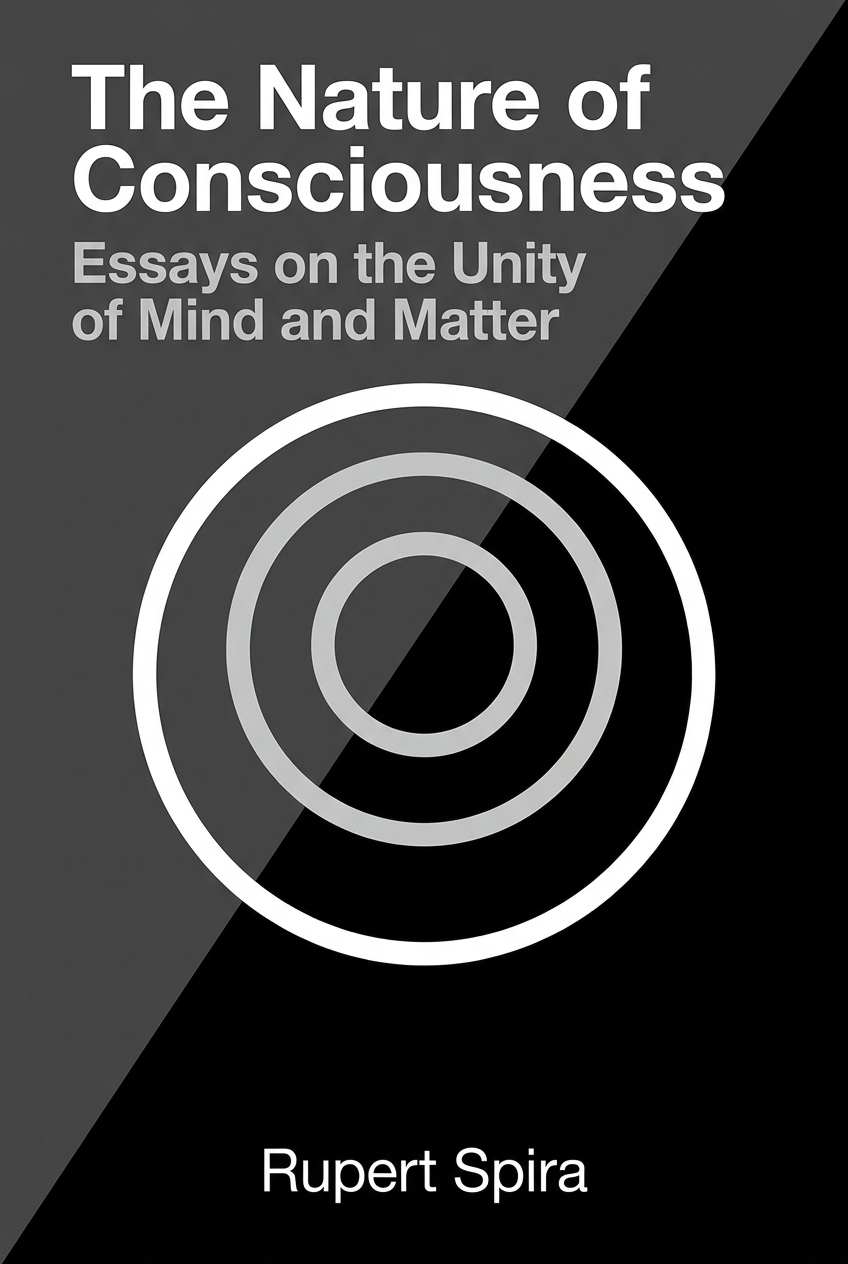
The Nature of Consciousness
Dissolve the illusion of separation by realizing you are pure awareness.
- All experience—thoughts, feelings, sensations—appears within consciousness.
- The separate self ('I') is an illusion created by thought.
- Recognizing your true nature as awareness brings lasting peace.
Seekers of non-dual wisdom wanting to end the sense of separation.
Dissolve the illusion of separation by realizing you are pure awareness.
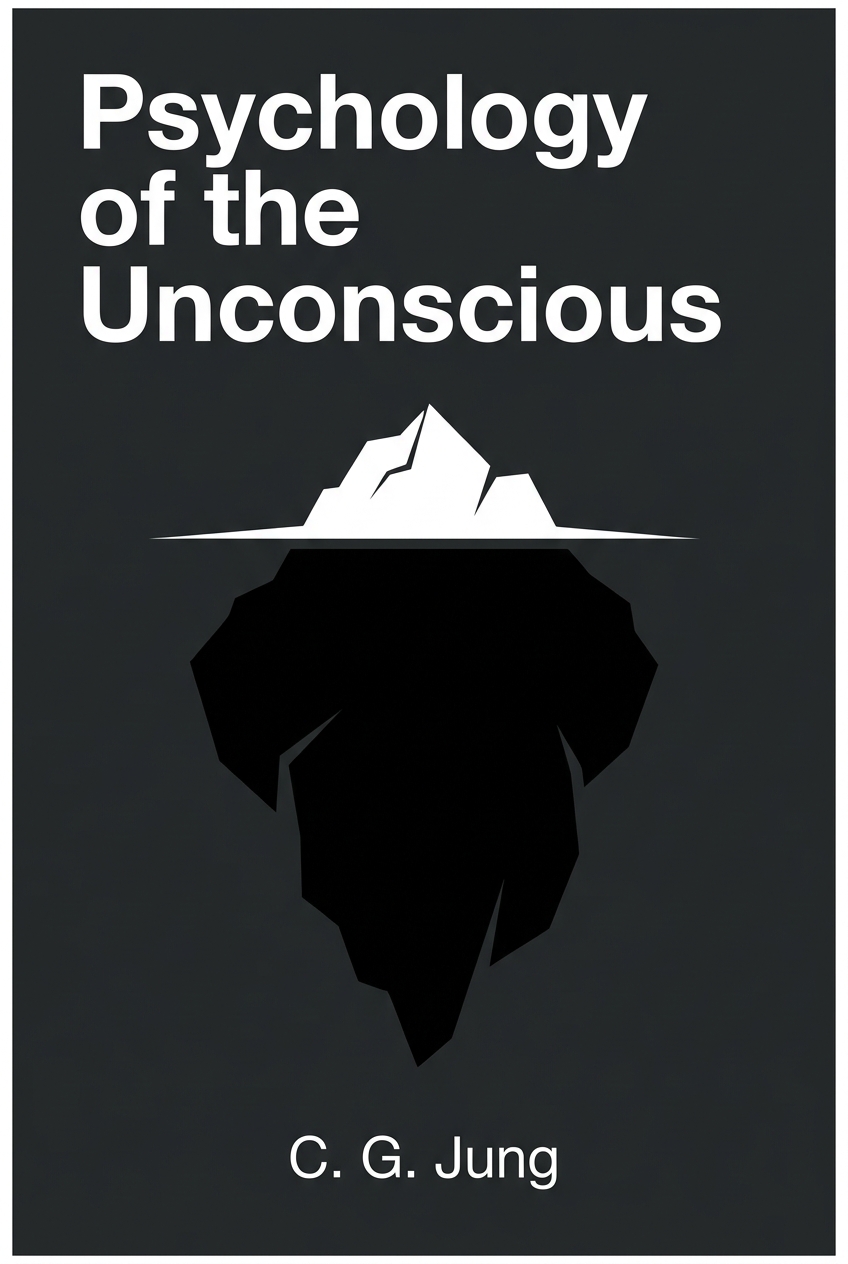
Psychology of the Unconscious
Unlock the secrets of your unconscious mind with Carl Jung's insights.
- Archetypes and the collective unconscious drive human behavior.
- Dreams and fantasies contain vital messages from the deeper self.
- Ancient myths reveal the universal patterns of the human psyche.
Anyone interested in psychoanalysis, dream interpretation, and self-discovery.
Unlock the secrets of your unconscious mind with Carl Jung's insights.
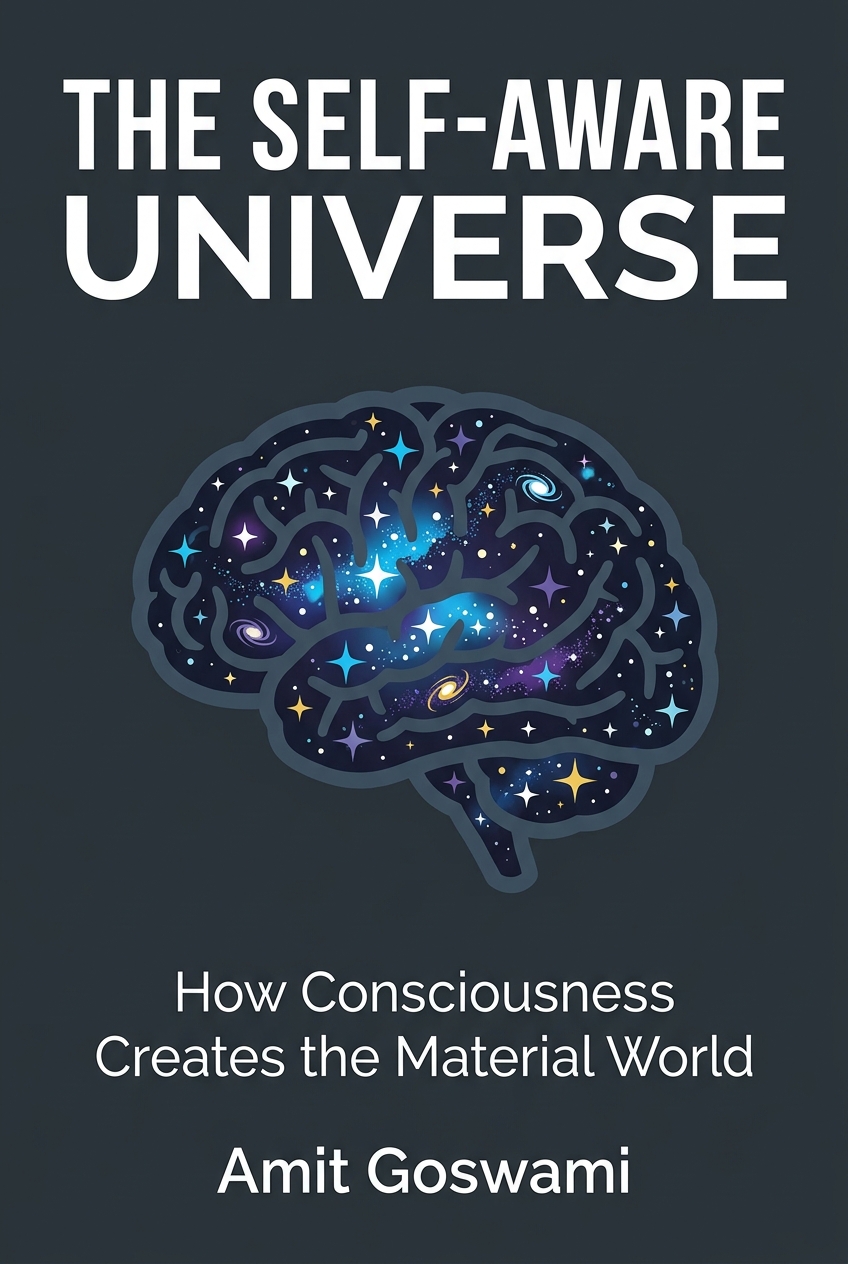
The Self-Aware Universe
Discover the idea that consciousness is the foundation of all reality.
- Quantum physics suggests consciousness creates the material world.
- The universe only becomes 'real' when observed by a conscious being.
- This view reconciles science with spiritual traditions.
Readers who want a scientific basis for spiritual or metaphysical ideas.
Discover the idea that consciousness is the foundation of all reality.
A Brief Tour of Higher Consciousness
Learn a scientific and spiritual map of your connection to the cosmos.
- The body is a 'cosmic antenna' that can be tuned to higher frequencies.
- Consciousness can be understood through a model blending physics and wisdom.
- You can learn to navigate different levels of reality and awareness.
Inquisitive individuals seeking a unified model of science and spirit.
Learn a scientific and spiritual map of your connection to the cosmos.
The Immortal Mind
A neurosurgeon presents evidence that the mind is more than the brain.
- Materialism fails to explain phenomena like near-death experiences.
- Case studies suggest the mind can function independently of the brain.
- Evidence points toward consciousness being non-physical and immortal.
Skeptics and believers alike who are questioning materialist science.
A neurosurgeon presents evidence that the mind is more than the brain.
Consciousness Is All There Is
Unlock your full potential by tapping into your own inner consciousness.
- Your reality is a reflection of your state of consciousness.
- True change comes from shifting your awareness, not external circumstances.
- Practical techniques can help you access deeper levels of your being.
Individuals seeking to create profound change from the inside out.
Unlock your full potential by tapping into your own inner consciousness.
Consciousness Beyond the Body
Explore the science and firsthand accounts of out-of-body experiences.
- There is scientific and anecdotal evidence for non-local consciousness.
- Lucid dreaming and OBEs can be induced with specific techniques.
- These experiences offer a new framework for understanding life and death.
Adventurous explorers of the mind interested in altered conscious states.
Explore the science and firsthand accounts of out-of-body experiences.
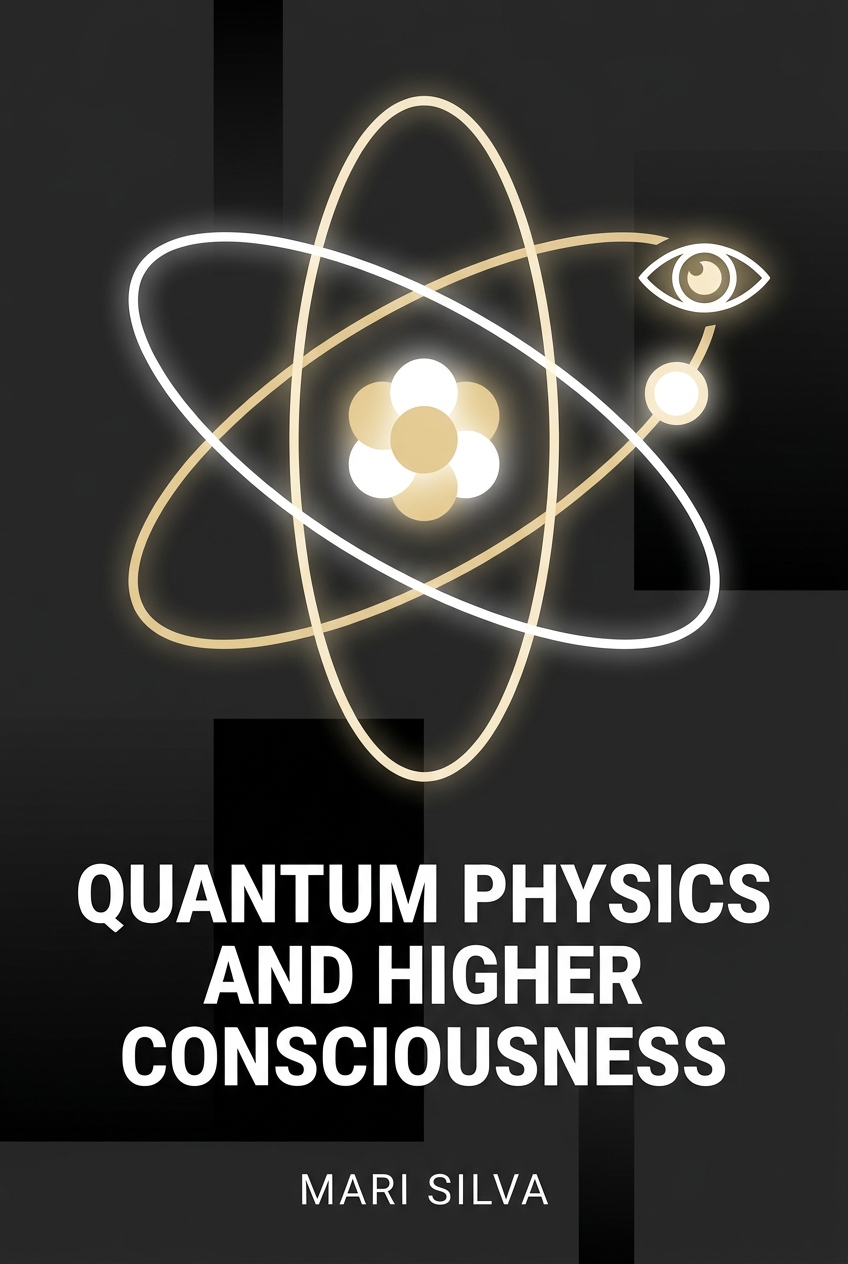
Quantum Physics and Higher Consciousness
Bridge the gap between quantum physics and your spiritual intuition.
- Quantum principles like entanglement mirror mystical concepts of unity.
- The observer effect shows how your awareness influences reality.
- Science can be a language to describe spiritual experiences.
Spiritual individuals looking for a scientific validation of their beliefs.
Bridge the gap between quantum physics and your spiritual intuition.
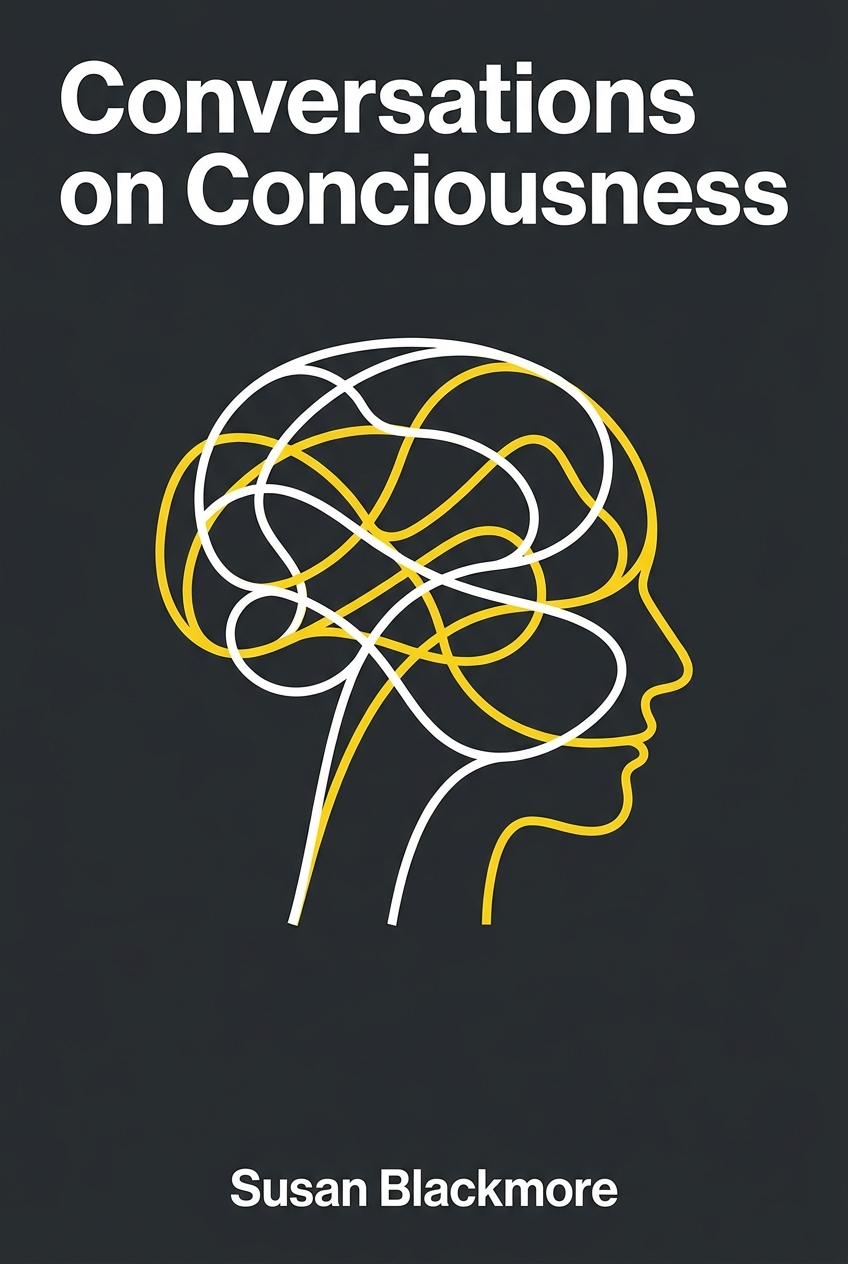
Conversations on Consciousness
Sit in on debates between the world's leading thinkers on consciousness.
- There is no single scientific or philosophical consensus on consciousness.
- Leading theories range from neuroscience to psychology.
- The 'hard problem' of subjective experience remains a key challenge.
Students and curious readers who enjoy intellectual debate and diverse views.
Sit in on debates between the world's leading thinkers on consciousness.
Frequently Asked Questions
Yes, many traditions and modern practices believe so. Techniques like meditation, mindfulness, and self-inquiry can help you increase self-awareness, manage emotional states, and perceive reality more clearly. The goal is often to elevate your baseline state of being towards more peace and clarity.
The topic challenges our most basic assumptions about self and reality, which can be disorienting. It forces us to confront deep questions without easy answers. Many books on consciousness act as guides, offering frameworks to navigate this complex inner territory safely and productively.
Scientific approaches, like neuroscience, try to explain consciousness by studying the brain and physical processes. Spiritual approaches often start from the premise that consciousness is fundamental and explore it through direct experience, like meditation, viewing the mind as a tool to realize a deeper truth.