Best Books To Get Out Of Debt
Understanding effective debt strategies is the first step toward reclaiming your financial future. Many people struggle because they don't know which path to take or what common debt mistakes to avoid. To help you find your way, we've compiled this list of the best books to get out of debt. This collection contains our top debt book recommendations that offer clear, actionable plans, from the debt snowball method to powerful mindset shifts. Whether you’re just starting or deep in the red, these audiobooks provide the tools for recovery. Curated by the VoxBrief team.
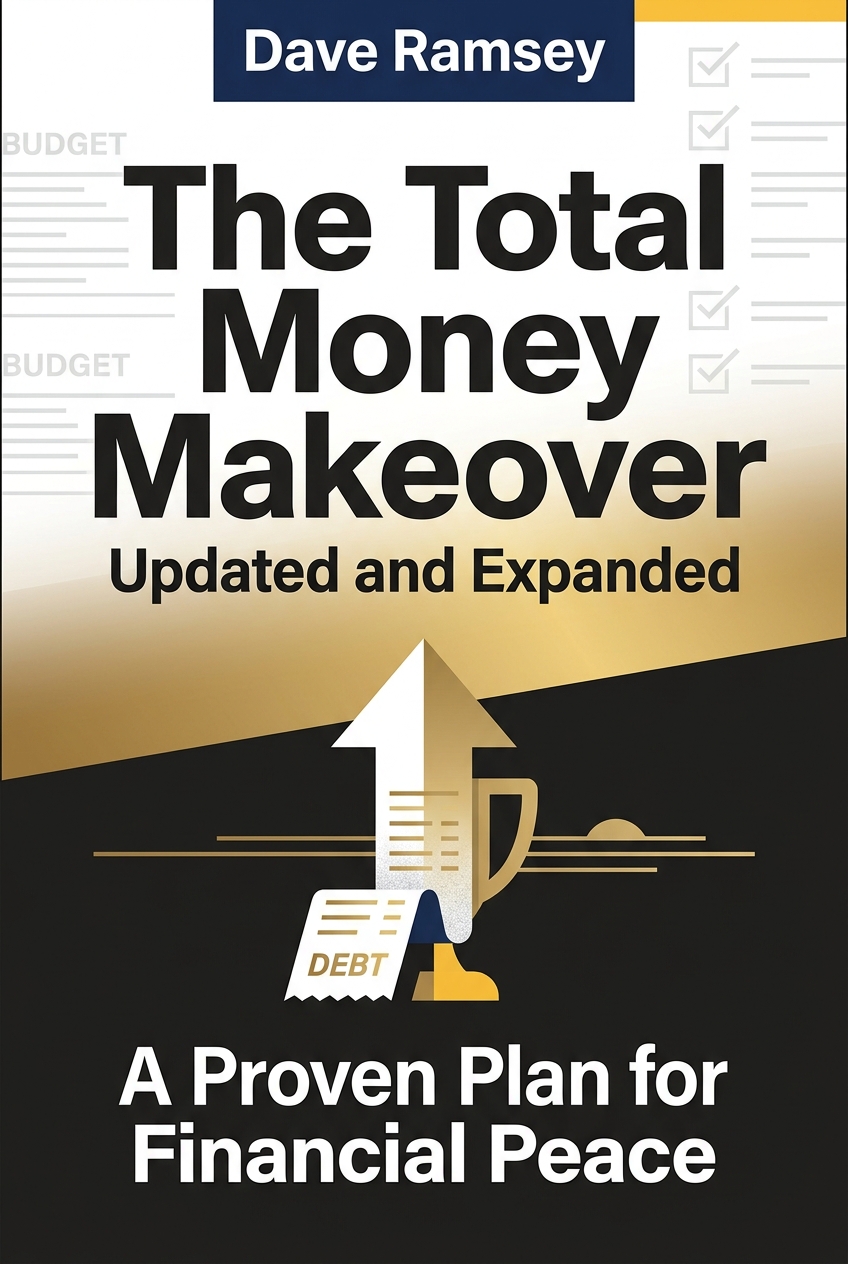
The Total Money Makeover Updated and Expanded
Get a no-nonsense plan to demolish money myths and achieve financial peace.
- Use the "debt snowball" method to build momentum by paying off small debts first.
- Follow the seven "Baby Steps" for a clear path from debt to wealth building.
- Create a zero-based budget where every single dollar has a specific job.
Anyone living paycheck-to-paycheck who needs a direct, step-by-step system.
Get a no-nonsense plan to demolish money myths and achieve financial peace.
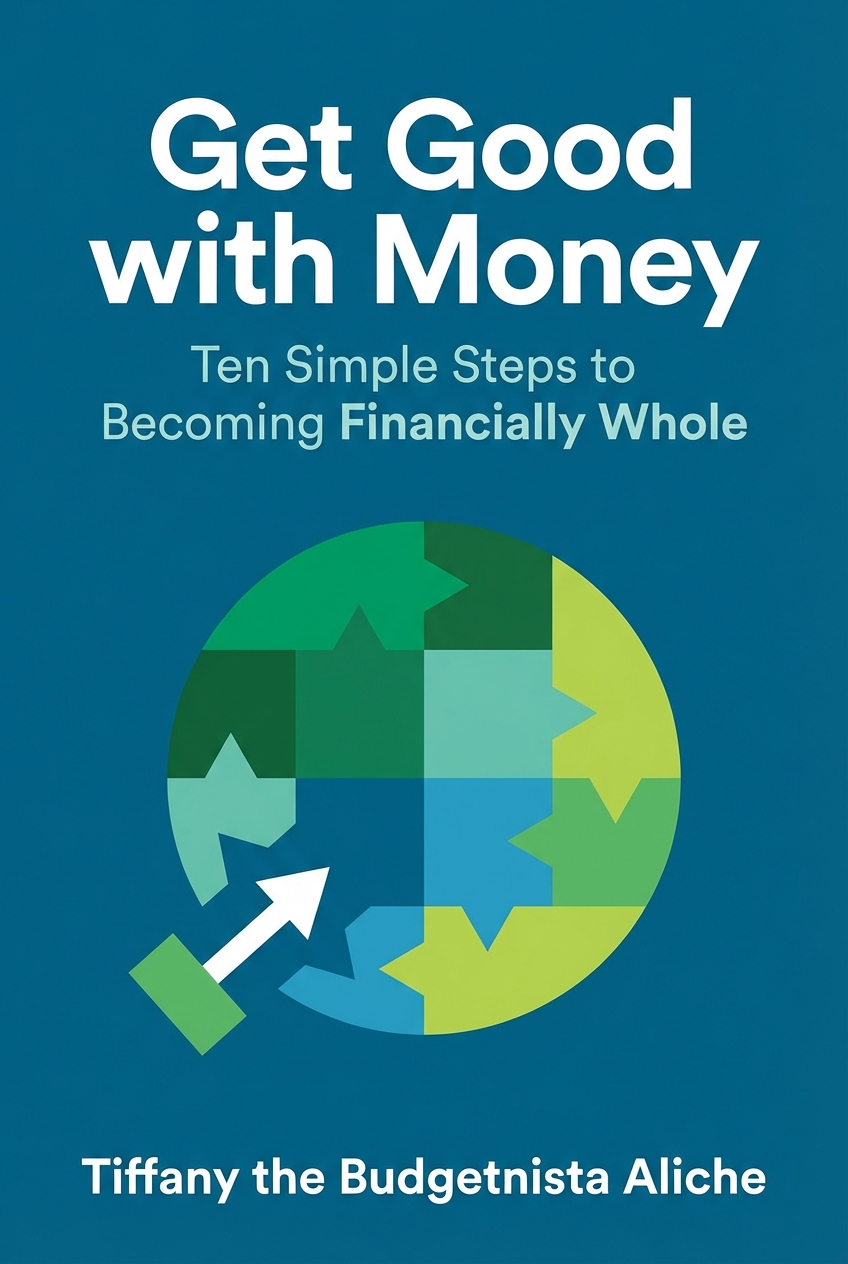
Get Good with Money
Build a rock-solid financial foundation with a 10-step plan for wholeness.
- Achieve "financial wholeness" by balancing saving, spending, and investing.
- Automate your finances to effortlessly build savings and pay down debt.
- Master your money mindset to overcome financial fears and bad habits.
Budget-conscious people looking for a holistic, less restrictive path to security.
Build a rock-solid financial foundation with a 10-step plan for wholeness.
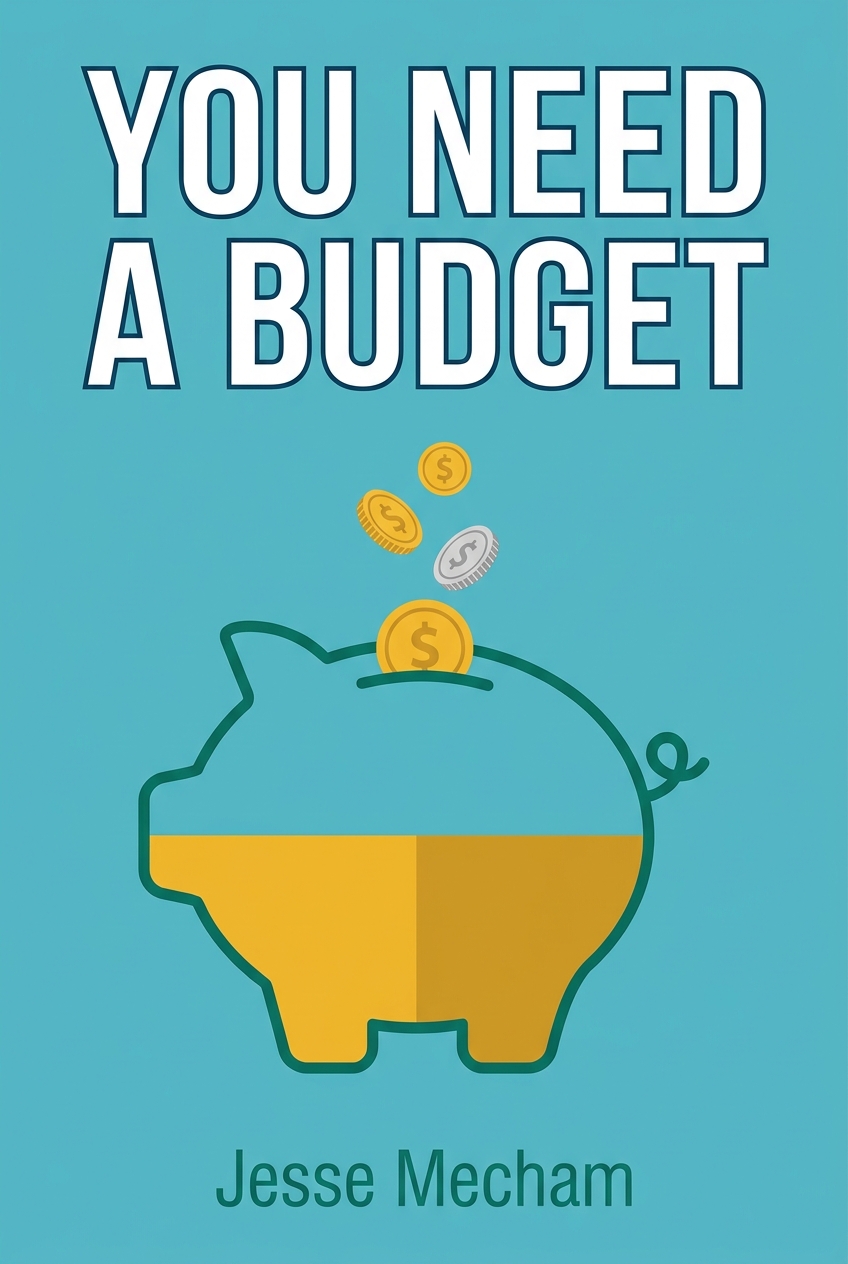
You Need a Budget
Use four simple rules to stop stressing about bills and gain control of your money.
- Give every dollar a job to ensure your money works toward your goals.
- Embrace your true expenses by planning for non-monthly bills in advance.
- "Age your money" to break the paycheck-to-paycheck cycle for good.
People who hate traditional budgeting and want a proactive, software-backed method.
Use four simple rules to stop stressing about bills and gain control of your money.
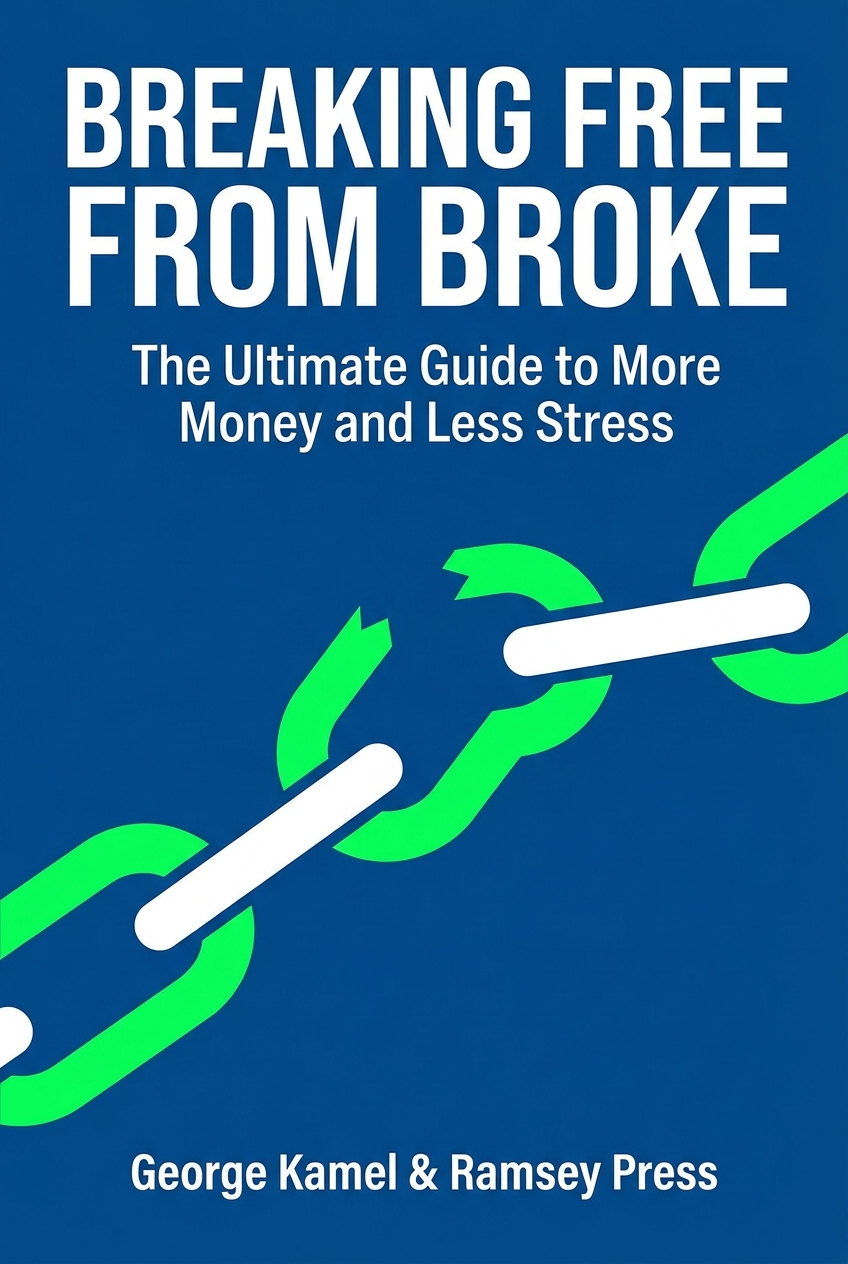
Breaking Free from Broke
A proven, shame-free plan to stop money stress and build lasting wealth.
- Adopt seven simple habits that cultivate long-term financial success.
- Focus on your "why" to stay motivated during your debt-free journey.
- Learn to make your money work for you instead of constantly worrying about it.
Millennials feeling anxious about their finances and seeking practical, modern advice.
A proven, shame-free plan to stop money stress and build lasting wealth.
How to Get Out of Debt, Stay Out of Debt, and Live Prosperously*
A time-tested system to conquer debt and build a prosperous, worry-free life.
- Apply principles from Debtors Anonymous to immediately stop incurring new debt.
- Track spending without judgment to understand your true financial patterns.
- Develop a positive, healthy relationship with money to ensure lasting change.
Individuals struggling with compulsive debt and needing a supportive, behavioral approach.
A time-tested system to conquer debt and build a prosperous, worry-free life.
Debt-Proof Living
Take back control of your money with practical strategies that don't feel extreme.
- Create a "Freedom Account" to save for future purchases without using credit.
- Find hidden cash within your existing budget through careful spending analysis.
- Develop a simple spending plan that you can actually stick with long-term.
Families and individuals who want to get out of debt without drastic lifestyle cuts.
Take back control of your money with practical strategies that don't feel extreme.
Getting Out Of Debt
Find a clear, quick path to freedom with proven tactics to stop money stress.
- Prioritize your debts strategically to achieve the fastest possible results.
- Learn effective scripts for negotiating with creditors to lower your payments.
- Create a realistic budget that aligns with your income and debt-repayment goals.
Someone needing a quick, tactical, and straightforward guide to debt reduction.
Find a clear, quick path to freedom with proven tactics to stop money stress.
Get the Hell Out of Debt
An energetic 3-phase method to pay off loans and transform your money mindset.
- Shift your mindset from scarcity to abundance to unlock financial growth.
- Create a debt-free plan that doesn't require sacrificing everything you love.
- Master your cash flow to accelerate debt payoff and start building wealth.
Motivated people who want an energetic, no-nonsense approach to debt freedom.
An energetic 3-phase method to pay off loans and transform your money mindset.
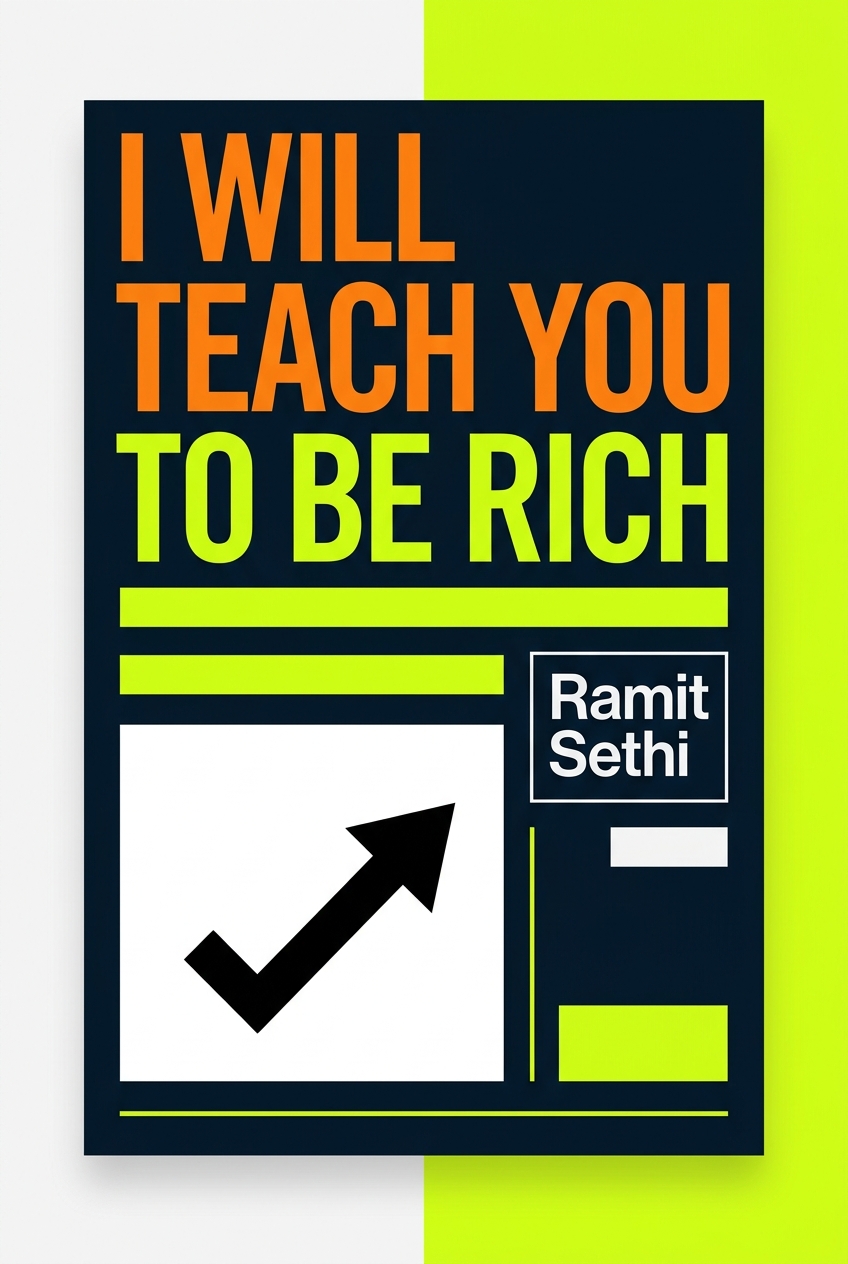
I Will Teach You to Be Rich
An automated six-week program to build wealth effortlessly, not through budgeting.
- Automate your finances to save, invest, and pay bills without conscious effort.
- Focus on "big wins" like negotiating your salary, not on daily micro-spending.
- Spend lavishly on things you love by cutting costs mercilessly on what you don't.
Young professionals prioritizing convenience and automation over strict budgeting.
An automated six-week program to build wealth effortlessly, not through budgeting.
Frequently Asked Questions
For beginners, the "debt snowball" method (paying off smallest debts first for psychological wins) is often recommended for its motivational power. The "debt avalanche" method (paying off highest-interest debts first) is more mathematically efficient and saves more money over time, but requires greater discipline.
Not all debt is created equal. High-interest debt, like from credit cards, is risky and can quickly get out of control. However, strategic or "good" debt, such as a mortgage or a student loan for a high-earning field, can be a valuable investment in your future assets and earning potential.
Start by tracking your spending to see exactly where your money goes. Even finding an extra $20-$50 a month to put toward your smallest debt creates momentum. This small act proves you can make progress and helps build the habit of consistent repayment.
Consider your personality. If you need a strict, no-nonsense plan, Dave Ramsey is a great choice. If you prefer a more holistic and less restrictive approach, a book like 'Get Good with Money' might be a better fit. Read the summaries to see which author's philosophy resonates with you.