Economics Books
Looking for an introduction to economics? Our collection of summaries simplifies how the world really works. We've gathered the top economics books—from timeless classics to modern masterpieces—to get key principles of economics explained clearly and concisely. Whether you're just starting out or want to deepen your understanding of money, policy, and human behavior, these titles provide the essential knowledge you need to think smarter about the world around you. Curated by the VoxBrief team.
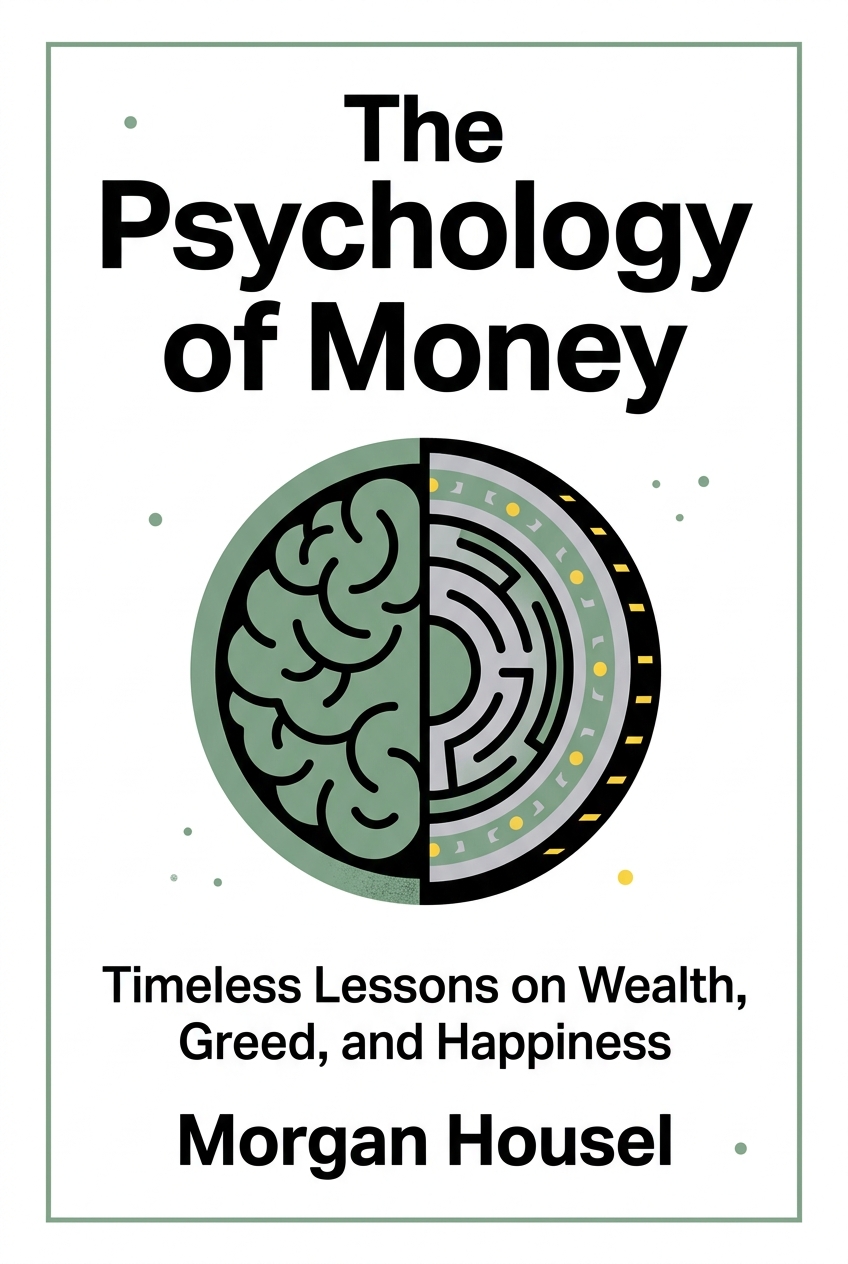
The Psychology of Money
Learn why your financial success is about behavior, not just knowledge.
- Building wealth depends more on your habits than your intelligence.
- True wealth is the freedom and flexibility your money provides.
- Embrace the power of compounding and the roles of luck and risk.
Anyone wanting to improve their relationship with money and build wealth.
Learn why your financial success is about behavior, not just knowledge.
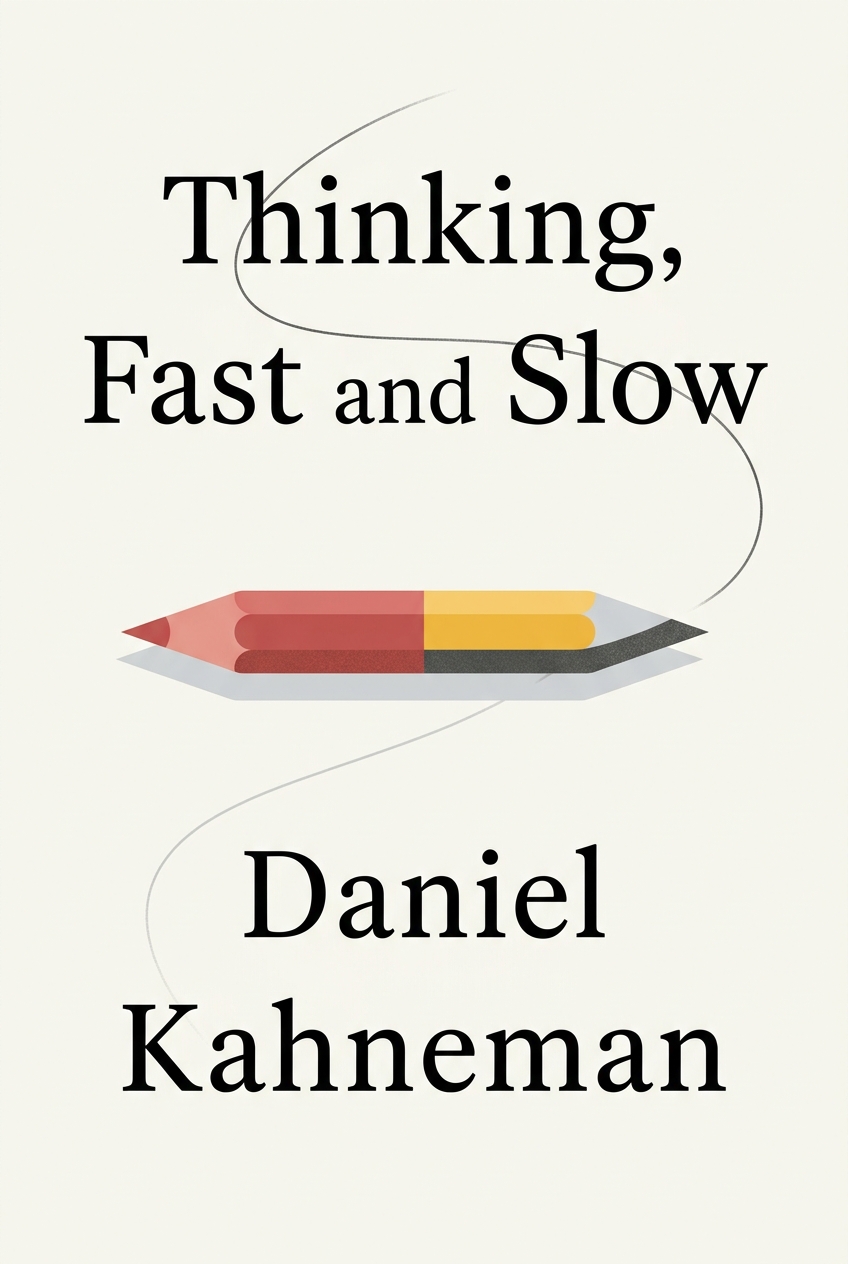
Thinking, Fast and Slow
Uncover the two systems of thought that drive your choices and biases.
- Your mind uses two systems: a fast, intuitive one and a slow, logical one.
- Cognitive biases often lead to irrational decisions in life and finance.
- Recognizing these biases is the first step to making better judgments.
Decision-makers seeking to understand and overcome their cognitive biases.
Uncover the two systems of thought that drive your choices and biases.
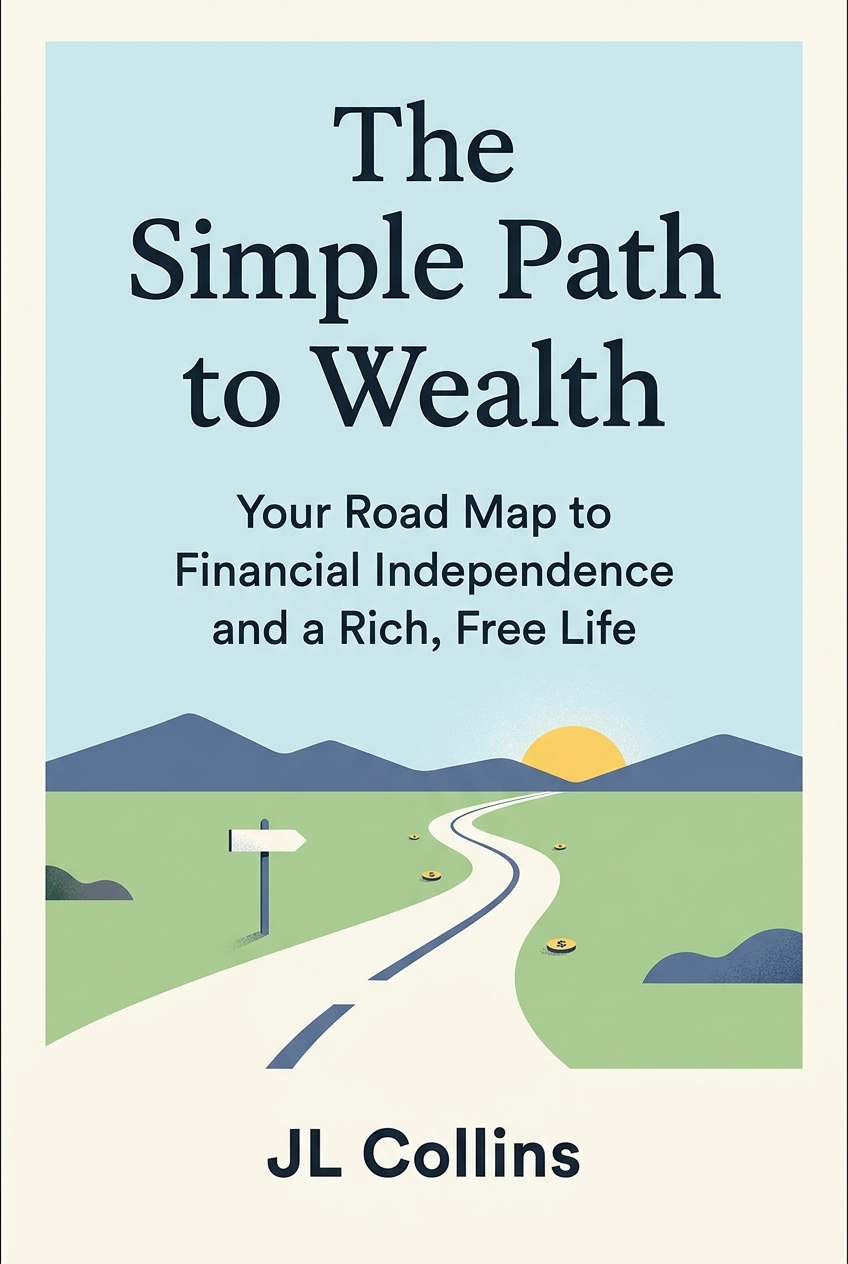
The Simple Path to Wealth
A no-nonsense guide to achieving financial freedom with index funds.
- Invest consistently in low-cost, broad-market index funds.
- Avoid debt and keep your financial life simple.
- Stay the course and ignore short-term market fluctuations.
Investors looking for a straightforward, proven path to retirement.
A no-nonsense guide to achieving financial freedom with index funds.
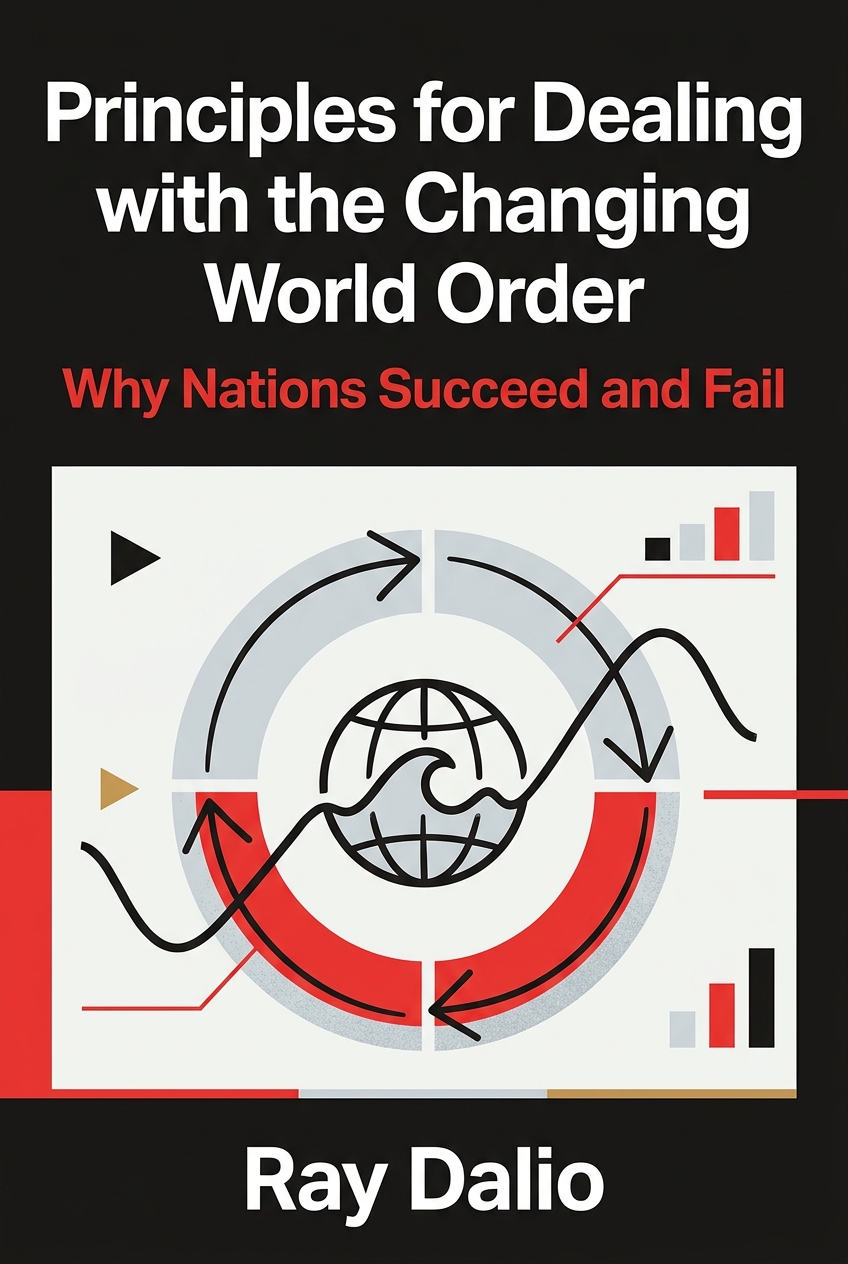
Principles for Dealing with the Changing World Order
Understand the historical cycles of empires to navigate our economic future.
- History moves in "Big Cycles" of rising and falling empires.
- A nation's power is built on education, innovation, and strong finances.
- Recognize key indicators to anticipate major global and market shifts.
Investors and leaders trying to make sense of global political shifts.
Understand the historical cycles of empires to navigate our economic future.
Basic Economics
Grasp the real-world principles of economics without the complex jargon.
- Prices are signals that allocate scarce resources efficiently.
- Intentions of policies don't determine outcomes; incentives do.
- Understand there are trade-offs, not perfect solutions, in economic decisions.
Beginners seeking a common-sense foundation in economic principles.
Grasp the real-world principles of economics without the complex jargon.
Economics in One Lesson
Learn to see the unseen, long-term consequences of economic policies.
- The core of economics is looking at effects on all groups, not just one.
- Consider long-term consequences, not just immediate benefits.
- Policies like price controls and tariffs often have destructive side effects.
Anyone who wants to critically analyze news and government policies.
Learn to see the unseen, long-term consequences of economic policies.
Good Economics for Hard Times
Get Nobel-winning, data-driven answers to today's most urgent debates.
- Economic evidence often contradicts popular beliefs on immigration and trade.
- Dignity and social connection are as important as economic growth.
- Effective policies are based on hard data and controlled trials, not ideology.
Socially-conscious readers who want evidence-based policy solutions.
Get Nobel-winning, data-driven answers to today's most urgent debates.
Capitalism and Freedom
Discover the classic argument for why free markets create prosperity.
- Economic freedom is essential for political freedom.
- Competitive capitalism promotes innovation and efficiency.
- Government's role should be limited to protecting property and enforcing contracts.
Readers interested in libertarian ideas and free-market capitalism.
Discover the classic argument for why free markets create prosperity.
Economic Facts and Fallacies, 2nd edition
Use hard data to debunk popular myths about income, gender, and race.
- Commonly cited statistics are often misleading or lack proper context.
- Many economic disparities are caused by factors other than discrimination.
- Thinking critically about a claim's source is vital for understanding reality.
Critical thinkers who want to challenge common economic narratives.
Use hard data to debunk popular myths about income, gender, and race.
The Richest Man in Babylon - The Original 1926 Classic
Master timeless, simple secrets to building and maintaining wealth.
- Pay yourself first by saving at least 10% of all you earn.
- Make your money work for you through wise investments.
- Protect your principal and seek advice from those with wisdom.
Beginners looking for foundational habits for saving and investing.
Master timeless, simple secrets to building and maintaining wealth.
Shocks, Crises, and False Alarms
Learn to distinguish real economic threats from media-hyped false alarms.
- History provides a framework for assessing crisis risk.
- Not every market shock turns into a full-blown economic crisis.
- Focus on key indicators rather than panicking over news headlines.
Investors overwhelmed by market volatility and news cycles.
Learn to distinguish real economic threats from media-hyped false alarms.
Misbehaving
Explore why people make irrational financial and life choices.
- Humans are not the perfectly rational beings traditional economics assumes.
- Concepts like mental accounting and loss aversion explain our "misbehavior."
- Understanding these biases allows you to make more rational decisions.
Anyone curious about the psychology behind economic decisions.
Explore why people make irrational financial and life choices.
Nudge
Discover how small environmental changes can steer you to better choices.
- Choice architecture guides decisions without restricting freedom.
- Simple defaults have a massive impact on outcomes like retirement savings.
- We can design better systems to "nudge" people toward positive behaviors.
Leaders, policymakers, and individuals wanting to improve decision-making.
Discover how small environmental changes can steer you to better choices.
Capital in the Twenty-First Century
Understand the historical forces driving the widening gap in wealth inequality.
- When capital returns (r) exceed economic growth (g), inequality rises.
- Inherited wealth is becoming more significant than wealth earned from labor.
- Without intervention, wealth concentration will likely continue to increase.
Readers concerned with economic inequality and its long-term societal impact.
Understand the historical forces driving the widening gap in wealth inequality.
The Wealth of Nations
Explore the foundational text of modern economics and the "invisible hand."
- Self-interest in a free market can lead to broad societal benefits.
- The division of labor is the primary source of productivity growth.
- Free trade and minimal government intervention create national prosperity.
Students and enthusiasts who want to understand the origins of capitalism.
Explore the foundational text of modern economics and the "invisible hand."
Frequently Asked Questions
Economics is the study of how people make decisions when faced with scarcity. It explores how individuals, businesses, and governments produce, distribute, and consume goods and services. At its core, it’s about understanding choices and their consequences in a world of limited resources.
For a great starting point, consider "Basic Economics" by Thomas Sowell or "Economics in One Lesson" by Henry Hazlitt. Both books explain fundamental principles in a clear, straightforward way without requiring any prior knowledge, helping you see the world through an economic lens.
Behavioral economics, explored in books like "The Psychology of Money" and "Nudge," helps you understand why you make irrational financial choices. By recognizing your own biases—like fearing losses more than valuing gains—you can create systems to save more, invest smarter, and avoid common money mistakes.
Not at all, especially for the foundational concepts. Many of the most popular economics books focus on principles, logic, and human behavior rather than complex equations. Titles like "The Richest Man in Babylon" even use simple parables to teach profound financial wisdom.