Best European History Books
Understanding Europe’s past is essential for making sense of our modern world. With European history explained through its most pivotal events, from ancient empires to modern conflicts, you can grasp the forces that shaped global politics and culture. This list of the best european history books provides our top european history book recommendations for anyone looking to explore the continent's foundational stories. Discover the narratives and key figures that continue to influence us today. Curated by the VoxBrief team.
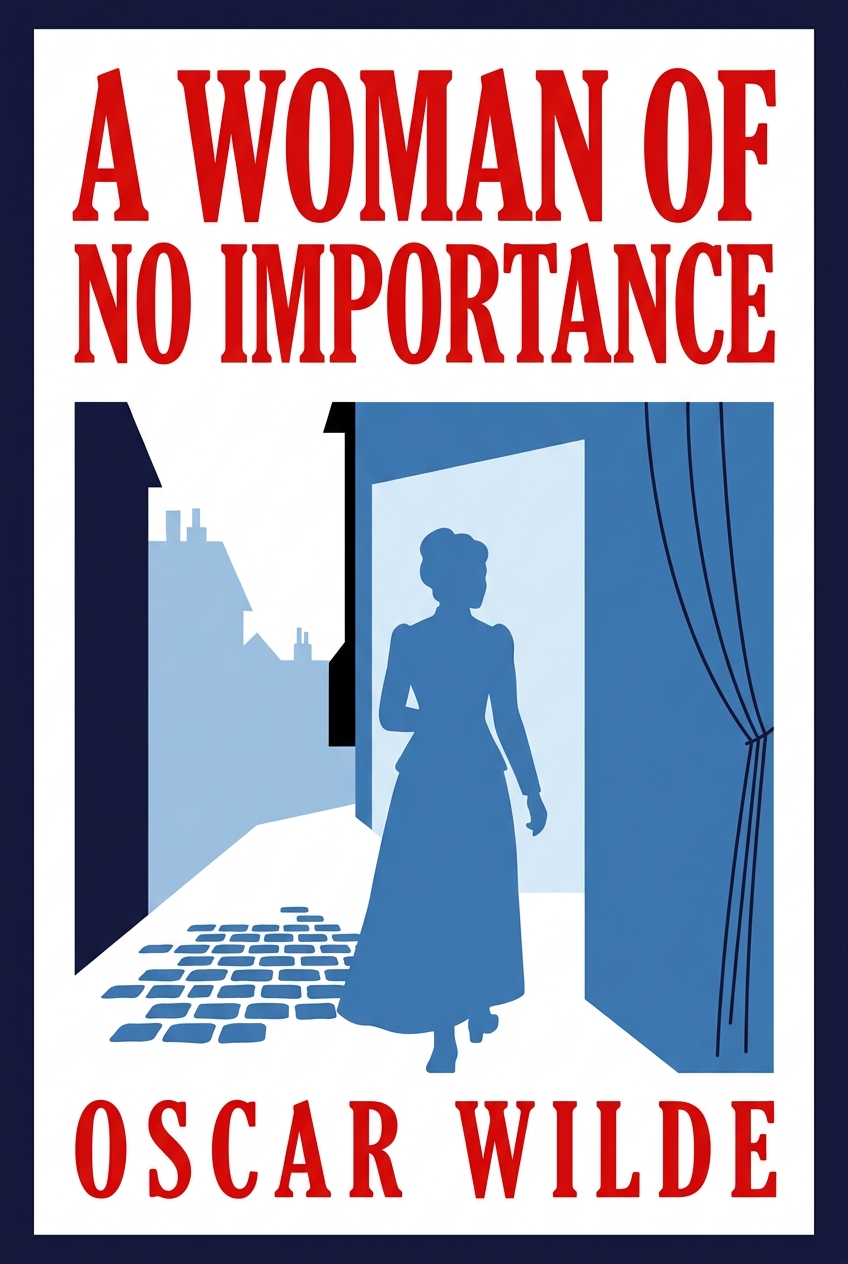
A Woman of No Importance
A witty play exposing the hypocrisy and secrets of English high society.
- Society's moral standards are often hypocritical and unevenly applied.
- A person's past should not define their entire worth or identity.
- Defying social conventions requires immense personal courage.
Fans of classic literature and sharp social commentary.
A witty play exposing the hypocrisy and secrets of English high society.
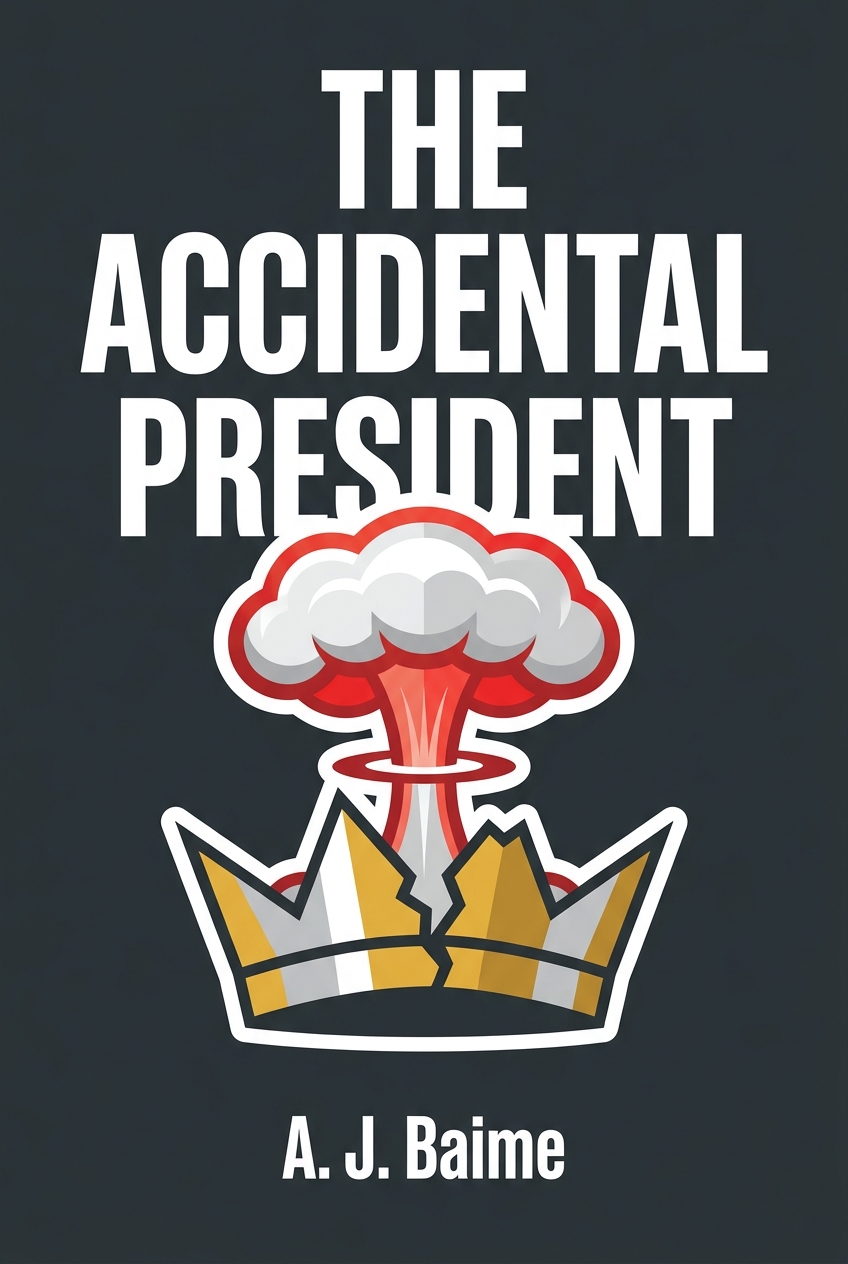
The Accidental President
Truman's chaotic first months as president at the end of WWII.
- Leaders must often make monumental decisions with little preparation.
- The end of WWII ushered in the atomic age and the Cold War.
- Truman's character was defined by decisiveness under pressure.
Readers interested in WWII, presidential history, and leadership.
Truman's chaotic first months as president at the end of WWII.
The Silk Roads
Reframes world history around Central Asia's ancient trade routes.
- The Silk Roads were the true center of global exchange for millennia.
- Europe's destiny has always been linked to events in Asia and the East.
- History is interconnected; events in one region impact the entire world.
Anyone seeking a non-Eurocentric perspective on world history.
Reframes world history around Central Asia's ancient trade routes.
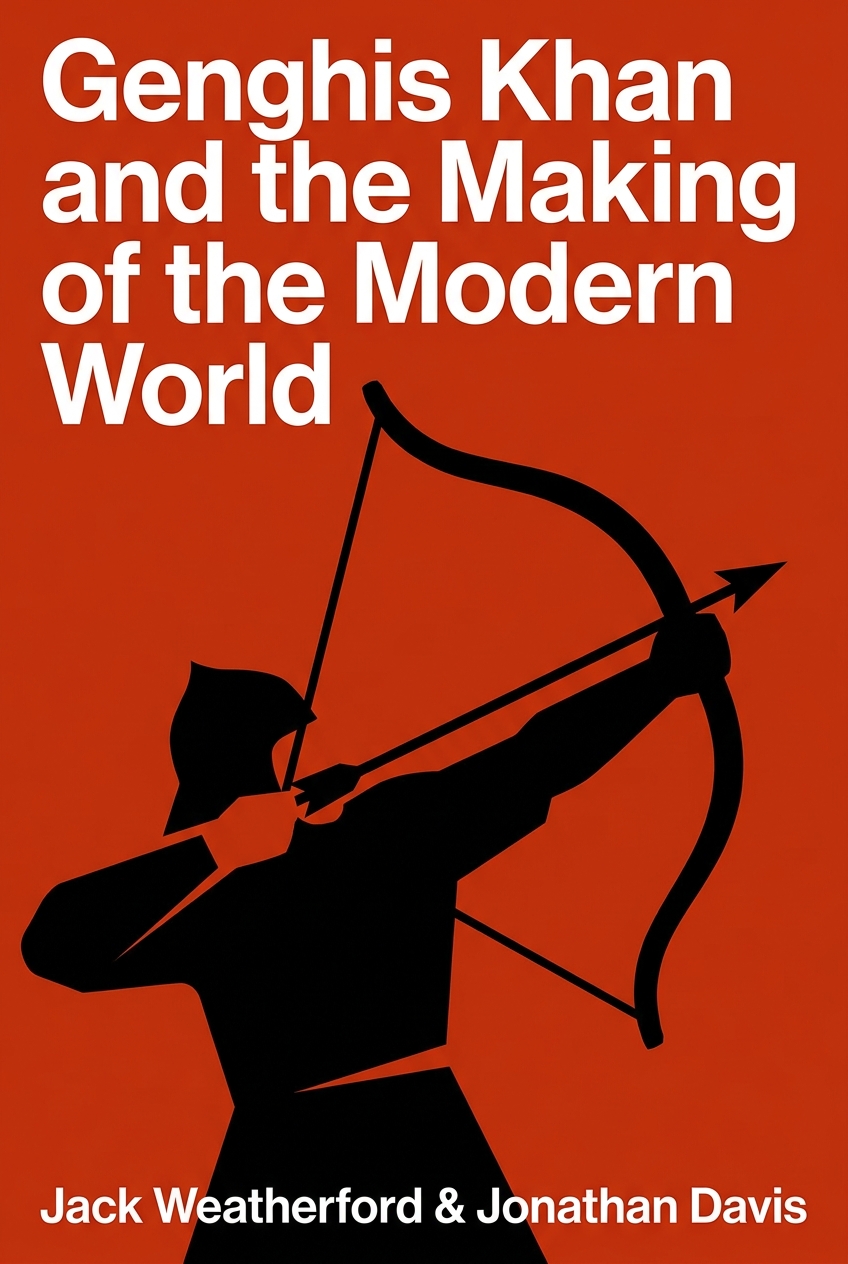
Genghis Khan and the Making of the Modern World
Reveals Genghis Khan as a visionary leader, not just a conqueror.
- The Mongol Empire fostered trade, religious tolerance, and communication.
- Genghis Khan's rule created a bridge between Eastern and Western civilizations.
- His legal and military systems laid groundwork for modern principles.
Those curious about misunderstood historical figures and empires.
Reveals Genghis Khan as a visionary leader, not just a conqueror.
Powers and Thrones
A dynamic history of the Middle Ages, shaped by broad forces.
- The Middle Ages were defined by migration, plague, and climate change.
- These forces, not just kings, created modern Western institutions.
- History is driven by large-scale trends as much as by individuals.
Readers wanting a thematic, big-picture view of the medieval world.
A dynamic history of the Middle Ages, shaped by broad forces.
Napoleon
Unlocks Napoleon's strategic genius and mastery of power.
- Napoleon's military tactics combined speed, surprise, and logistics.
- His legal reforms (Napoleonic Code) modernized European law.
- He was a master of propaganda and inspiring loyalty in his troops.
Aspiring leaders and students of military strategy and power.
Unlocks Napoleon's strategic genius and mastery of power.
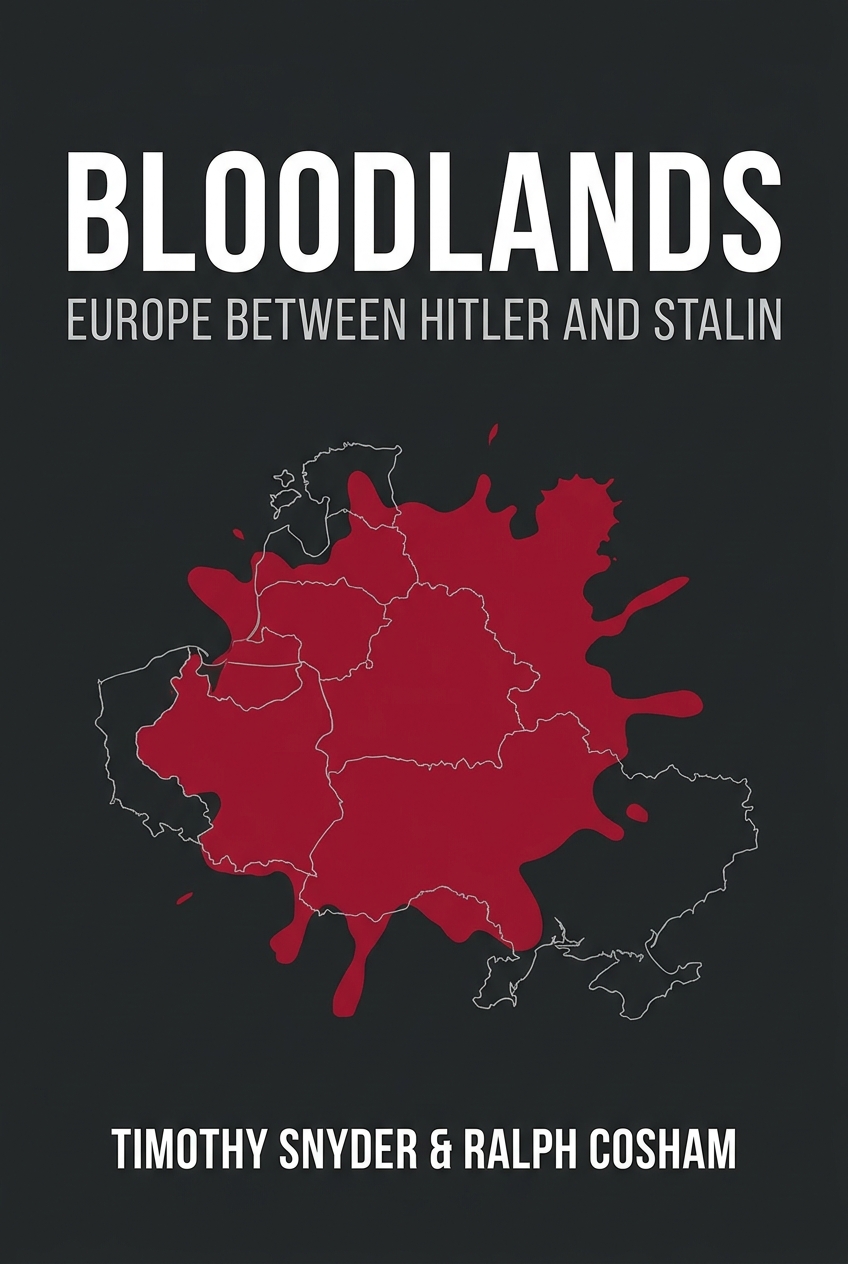
Bloodlands
The intertwined atrocities of Hitler and Stalin in Eastern Europe.
- Nazi and Soviet regimes amplified each other's violence.
- Eastern Europe became a unique killing field between two tyrannies.
- Politics, not just ideology, motivated many of the mass killings.
Readers ready to confront the deep complexities of 20th-century evil.
The intertwined atrocities of Hitler and Stalin in Eastern Europe.
A Distant Mirror
Compares the chaotic 14th century to our own turbulent times.
- Societal collapse is driven by war, plague, and loss of faith.
- Humanity's response to crisis reveals enduring patterns of behavior.
- The 14th century's calamities paved the way for the Renaissance.
Anyone looking for historical parallels to modern-day crises.
Compares the chaotic 14th century to our own turbulent times.
Blood and Iron
The rapid rise and fall of the German Empire under Bismarck.
- Bismarck used a "blood and iron" strategy to unify German states.
- The new empire was an industrial and military powerhouse.
- Internal social tensions and political missteps led to its collapse.
Students of modern Germany and 19th-century nation-building.
The rapid rise and fall of the German Empire under Bismarck.
The Crusades
Explores the true motivations behind the Holy Wars.
- The Crusades were driven by faith, greed, and political ambition.
- It was a multi-century conflict with complex, shifting alliances.
- The conflict's legacy continues to shape Christian-Muslim relations.
Those interested in medieval religion, warfare, and cultural clashes.
Explores the true motivations behind the Holy Wars.
The History of the Medieval World
A narrative connecting global events during the Middle Ages.
- Medieval history is a single story linking events from Britain to China.
- The ambitions of rulers and spread of religions created global networks.
- This period laid the foundation for today's interconnected world.
Beginners seeking a chronological, story-driven medieval history.
A narrative connecting global events during the Middle Ages.
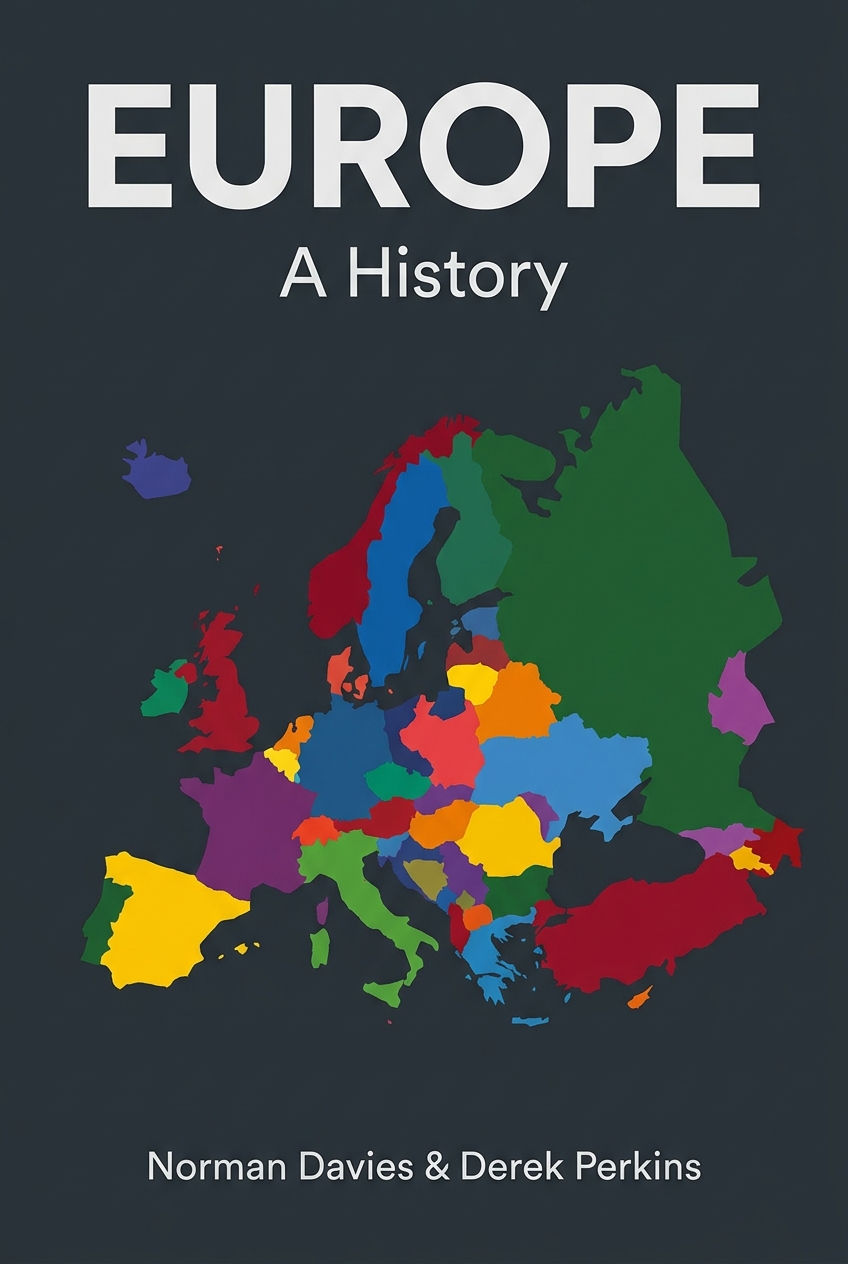
Europe
A complete history of Europe, including its forgotten nations.
- Eastern and Central European history is vital to understanding the continent.
- Standard historical narratives are often biased towards Western Europe.
- Europe's identity is a mosaic of countless diverse cultures.
Readers wanting to challenge traditional, Western-focused histories.
A complete history of Europe, including its forgotten nations.
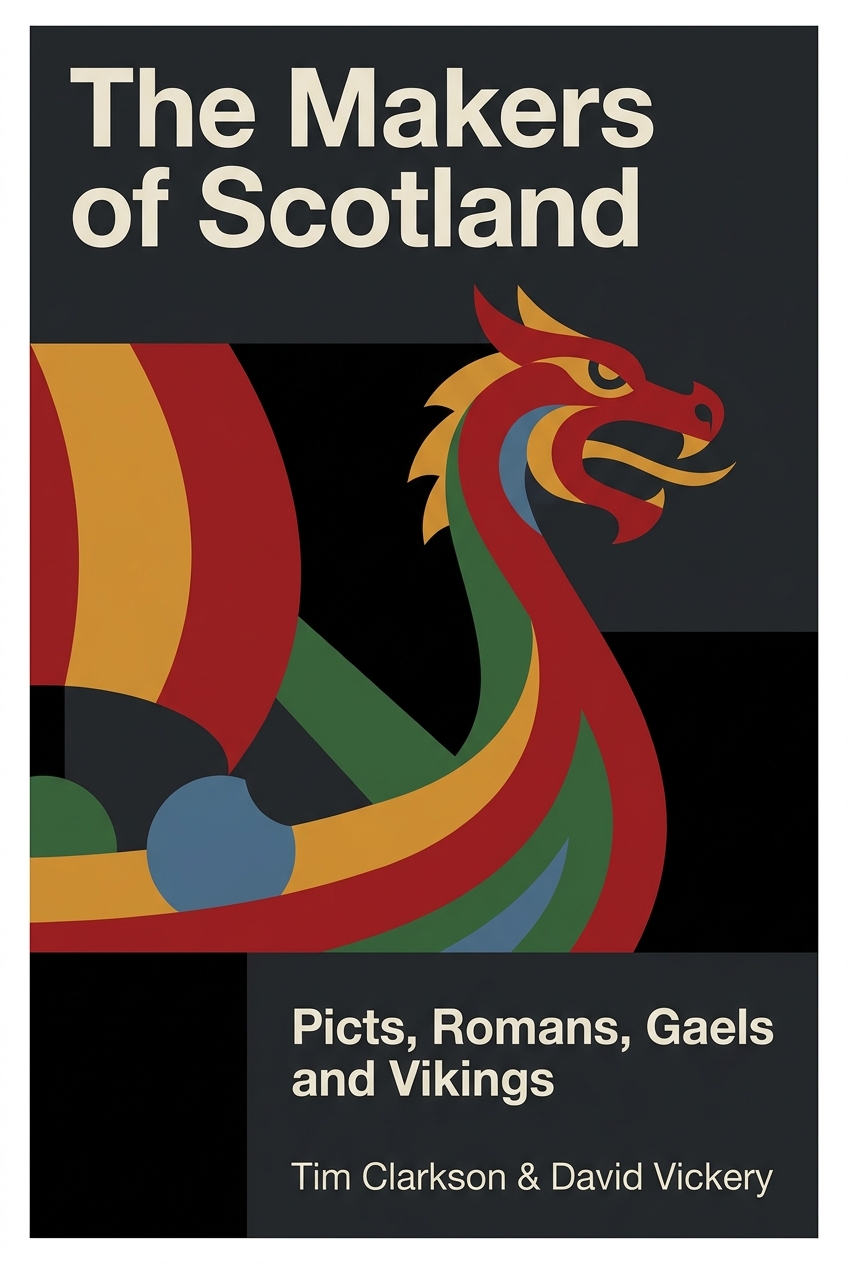
The Makers of Scotland
The brutal, multicultural origins of the Scottish nation.
- Scotland was forged from conflicts between Picts, Romans, Gaels, and Vikings.
- Early Scottish identity is a blend of diverse, competing cultures.
- Archaeology and ancient accounts reveal a complex national origin story.
Anyone interested in Scottish heritage or early British history.
The brutal, multicultural origins of the Scottish nation.
Frequently Asked Questions
Studying European history is crucial because it explains the origins of modern democracy, law, science, and global politics. Key events in Europe, from the Renaissance to the World Wars, have had a profound and lasting impact on the entire world, shaping the societies we live in today.
Key lessons include the dangers of nationalism and imperialism, the importance of democratic institutions, and the power of ideas to spark revolution. It also teaches resilience, showing how societies have rebuilt and innovated after devastating wars and plagues. This is one reason it's important to study the best books european history has to offer.
European history shaped the modern world through exploration and colonialism, which created global empires and trade networks. Its philosophical movements, like the Enlightenment, defined concepts of human rights and governance, while its industrial and technological revolutions transformed the global economy and daily life.