Best Investing Books
Understanding how to build investments is the cornerstone of financial freedom. This curated list of the best investing books demystifies complex strategies, offering clear guidance on everything from stock picking to long-term wealth building. Whether you're just starting or refining your approach, these must read investments books provide the timeless wisdom needed to navigate markets confidently. You'll learn to avoid common mistakes and develop a mindset for sustainable growth, transforming your financial future. Curated by the VoxBrief team.
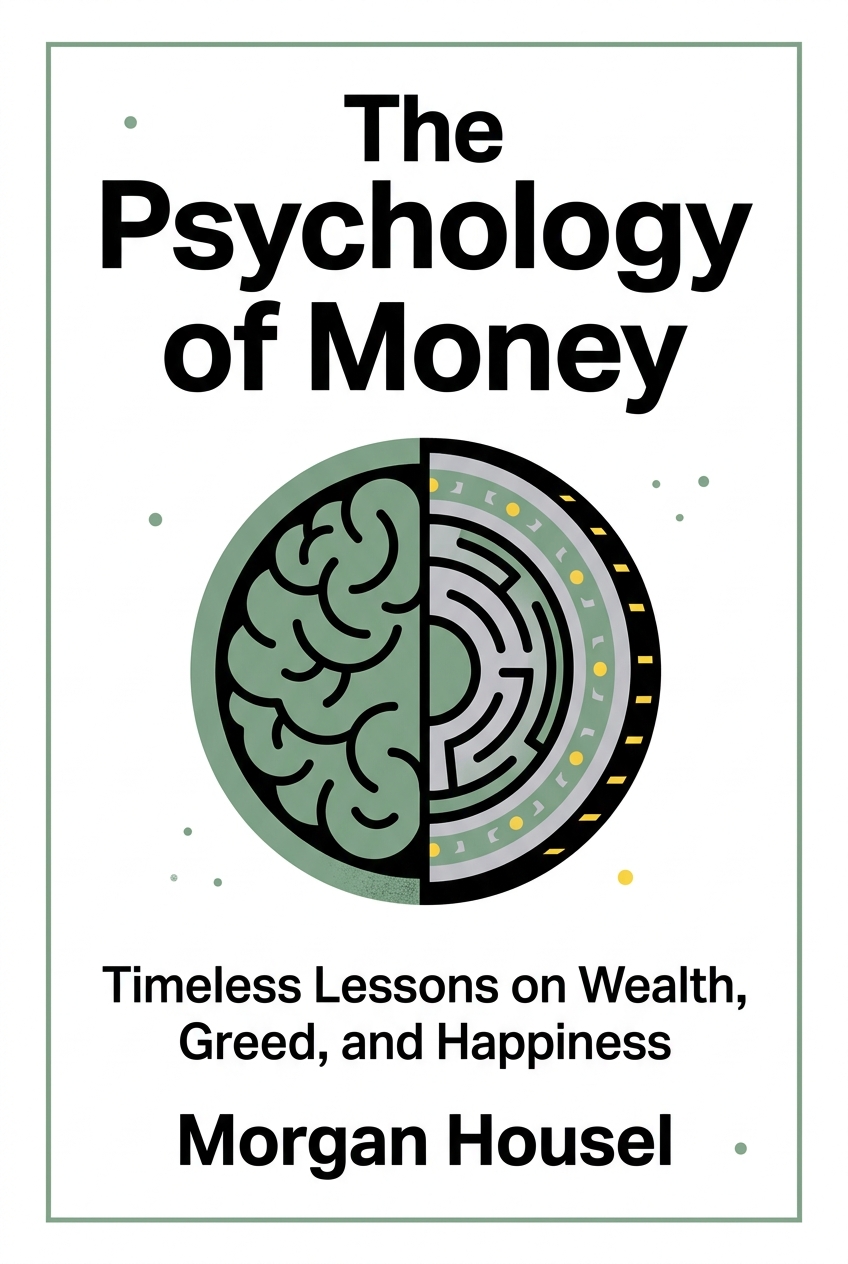
The Psychology of Money
Unlock the behavioral secrets to building lasting wealth and financial peace.
- Financial success is driven more by your behavior than by your intelligence.
- Harness the incredible power of compounding by investing for the long term.
- Make peace with risk and luck as unavoidable parts of investing.
Anyone who feels stressed about money and wants a healthier mindset.
Unlock the behavioral secrets to building lasting wealth and financial peace.
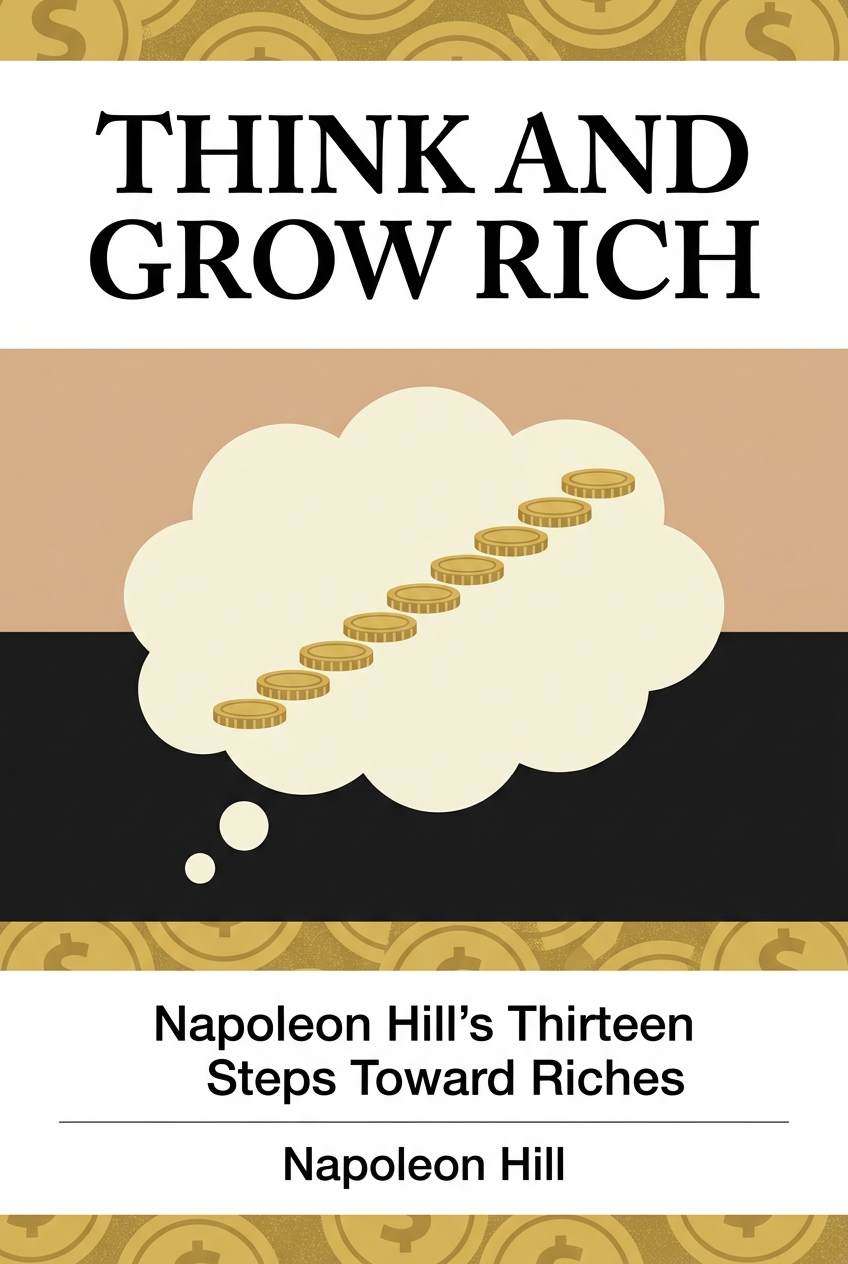
Think and Grow Rich
Learn Napoleon Hill's thirteen timeless principles for accumulating wealth.
- A burning desire is the true starting point of all great achievement.
- Mastermind alliances with others accelerate your progress toward goals.
- Persistence is the essential ingredient to transform desire into wealth.
Ambitious individuals looking for a mental blueprint for success.
Learn Napoleon Hill's thirteen timeless principles for accumulating wealth.
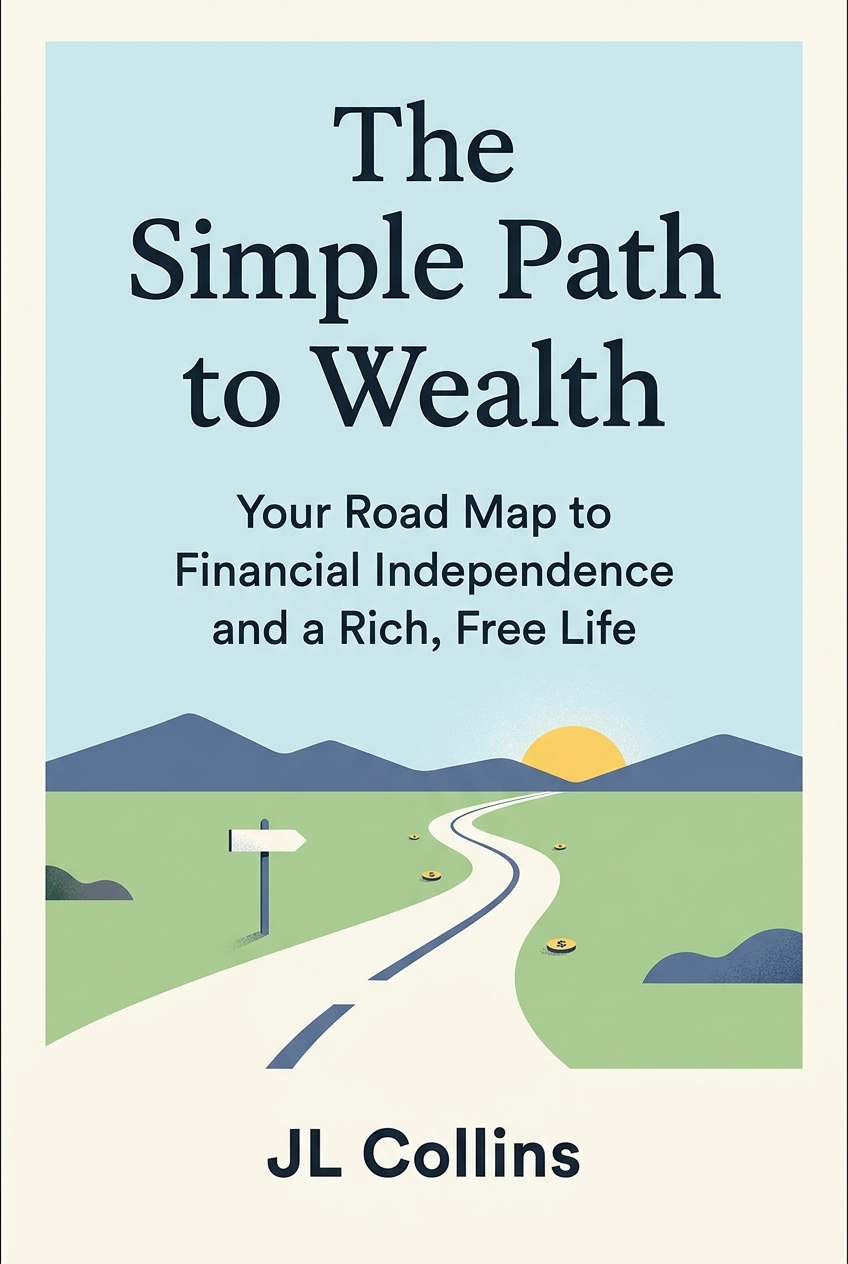
The Simple Path to Wealth
Discover a simple, no-nonsense roadmap to financial freedom with index funds.
- Build wealth simply and effectively using low-cost stock market index funds.
- Avoid complex strategies and Wall Street jargon that complicate investing.
- Stay the course and ignore market volatility for superior long-term gains.
Investors who want a simple, set-it-and-forget-it wealth strategy.
Discover a simple, no-nonsense roadmap to financial freedom with index funds.
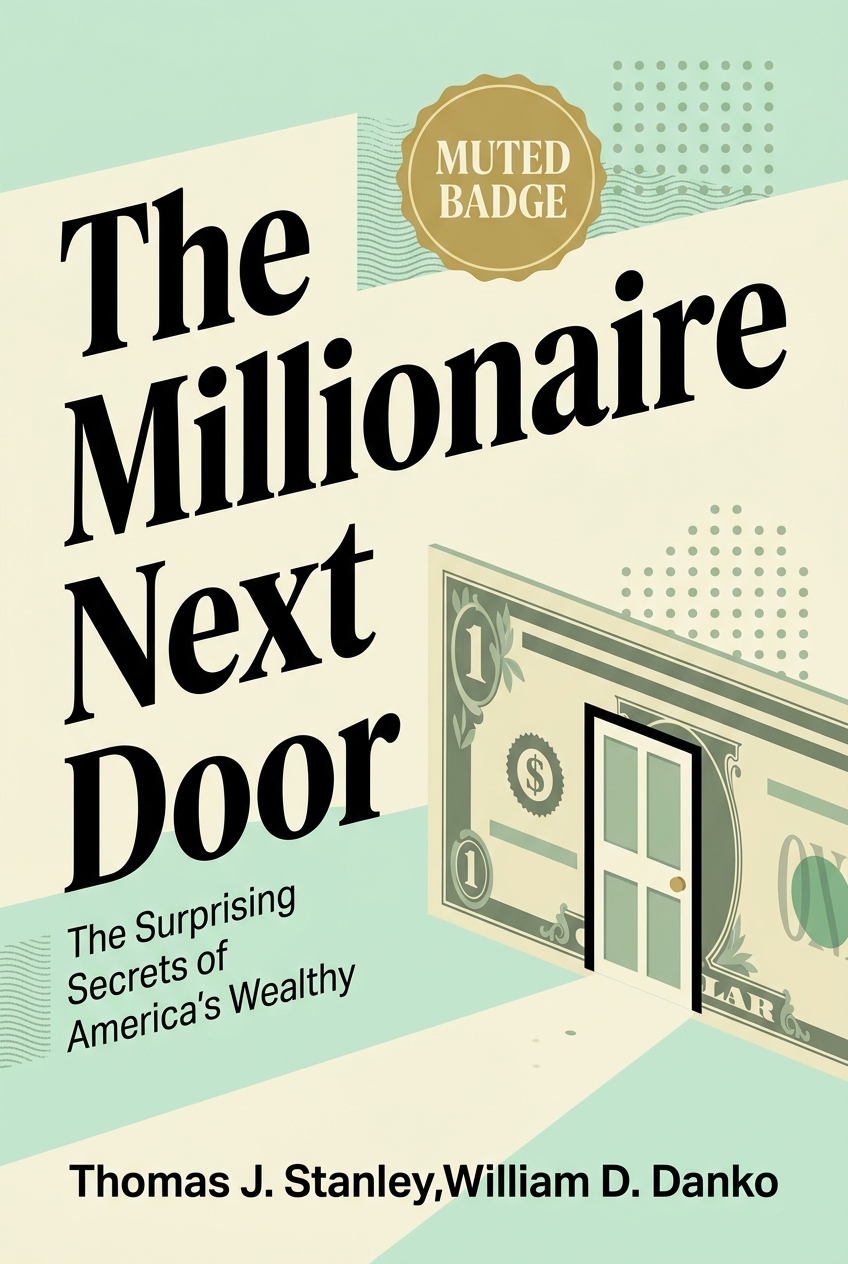
The Millionaire Next Door
Uncover the surprising, frugal habits of America's truly wealthy.
- True millionaires prioritize financial independence over high-status items.
- Live below your means and consistently invest the difference.
- Wealth is often what you don't see, not what you spend on.
High-income earners who struggle to build their actual net worth.
Uncover the surprising, frugal habits of America's truly wealthy.
The Book on Rental Property Investing
Your blueprint for building cash flow through real estate investing.
- Learn to find, analyze, and finance profitable rental properties.
- Develop systems to manage properties effectively and generate cash flow.
- Avoid common pitfalls that trap new real estate investors.
Aspiring real estate investors seeking a practical, step-by-step guide.
Your blueprint for building cash flow through real estate investing.
A Random Walk Down Wall Street
Master a time-tested strategy for building wealth with index funds.
- Trying to consistently beat the market average is a loser's game.
- A diversified portfolio of low-cost index funds is the optimal strategy.
- Understand market history and bubbles to avoid repeating common mistakes.
Skeptical investors tired of complex, underperforming financial advice.
Master a time-tested strategy for building wealth with index funds.

The Richest Man in Babylon - The Original 1926 Classic
Learn ancient, timeless financial principles through engaging parables.
- Pay yourself first by saving at least 10% of everything you earn.
- Make your money work for you through wise, well-researched investments.
- Protect your principal and invest only where your money is safe.
Beginners looking for foundational, easy-to-digest money habits.
Learn ancient, timeless financial principles through engaging parables.
The Essays of Warren Buffett
Distills Warren Buffett's core philosophy on business and investing.
- Think like a business owner, not a stock market speculator.
- Invest in wonderful businesses you understand at a fair price.
- Price is what you pay; value is what you get.
Serious investors who want to understand the principles of value investing.
Distills Warren Buffett's core philosophy on business and investing.
How to Invest $50-$5,000 10e
A simple plan for building wealth with a small initial investment.
- You do not need a large sum of money to start investing successfully.
- Focus on simple, low-risk investments like mutual funds and ETFs.
- Gain the confidence to make your money work, no matter how much you have.
Beginners with limited capital who feel intimidated by the stock market.
A simple plan for building wealth with a small initial investment.
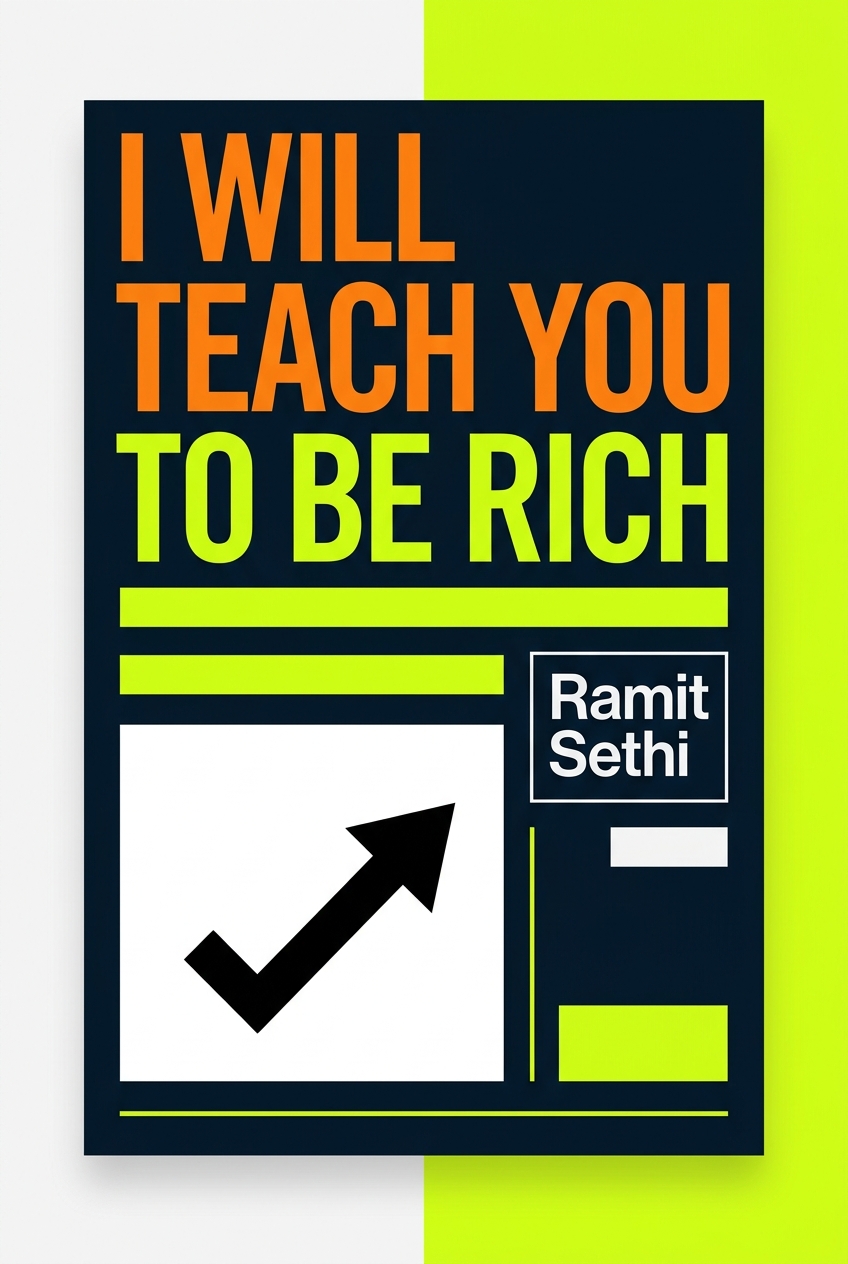
I Will Teach You to Be Rich
An automated, six-week program for effortless wealth building.
- Automate your savings and investments to grow wealth passively.
- Focus on big wins like negotiating salary, not small deprivations.
- Spend lavishly on what you love by cutting costs mercilessly elsewhere.
Millennials looking for a practical, automated system for their finances.
An automated, six-week program for effortless wealth building.
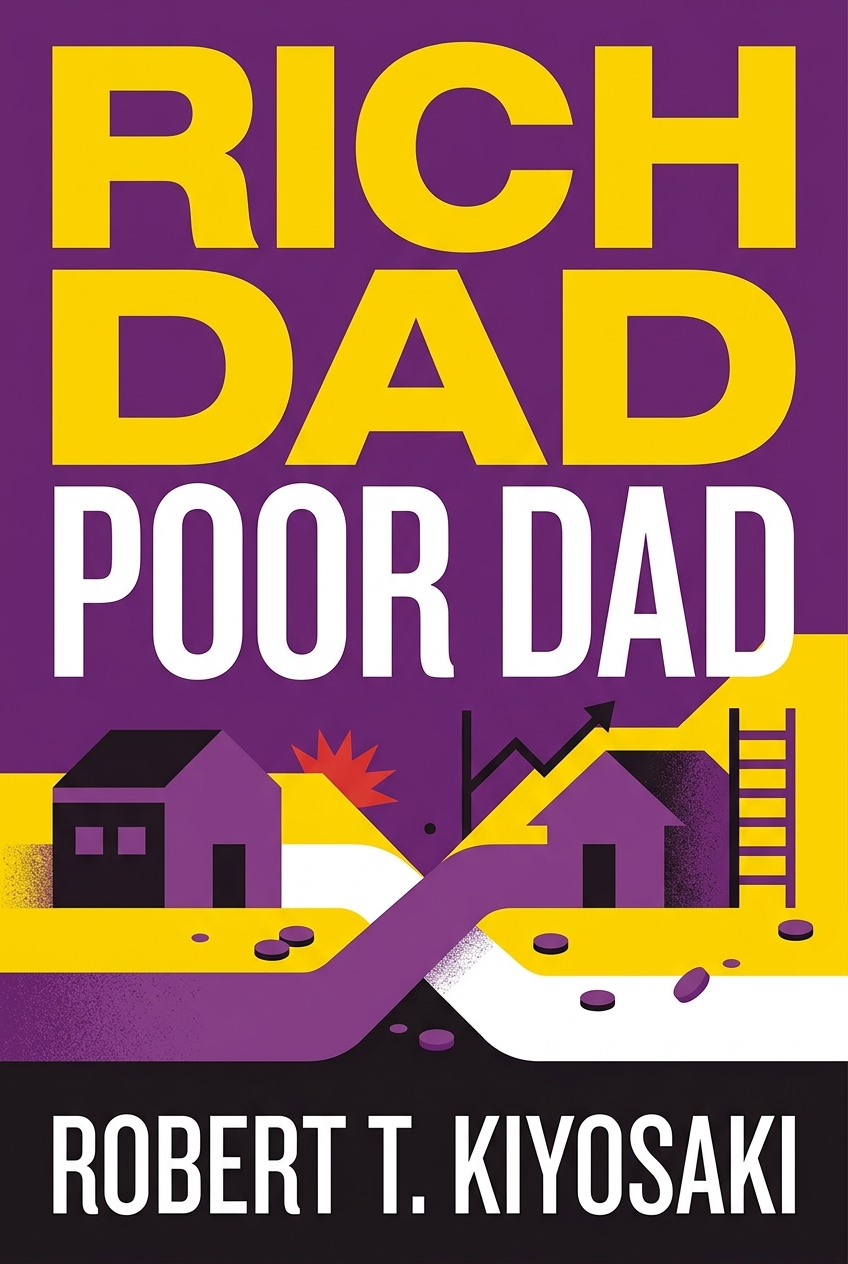
Rich Dad Poor Dad
Challenge conventional wisdom on wealth, assets, and liabilities.
- The rich acquire assets, while the middle class acquires liabilities.
- Financial literacy is a more powerful tool than a high-paying job.
- Your mind is your greatest asset; invest in your financial education first.
Anyone looking to shift their mindset from employee to investor.
Challenge conventional wisdom on wealth, assets, and liabilities.
Frequently Asked Questions
You can start investing with as little as $50. Look for brokerage accounts with no minimum deposits and consider investing in low-cost index funds or ETFs. The key is to start early and invest consistently, even if the amounts are small, to take advantage of compound growth.
All investments carry some level of risk, but the risk can be managed. Portfolio diversification—spreading your money across different assets like stocks and bonds—is a common strategy to reduce risk. Long-term investing also helps smooth out short-term market volatility.
For most beginners, the simplest and most effective strategy is investing in a diversified portfolio of low-cost index funds or ETFs. This approach doesn't require picking individual stocks and allows you to own a small piece of the entire market, which has historically provided strong returns over time.