Books To Help With Memory
Understanding why memory improvement is important is the first step toward building a sharper mind. The right memory improvement techniques that work can transform your ability to learn, recall details, and stay mentally agile. This list of the best memory improvement books offers practical, science-backed strategies to help you remember more and forget less, whether you're a student, professional, or simply looking to boost your cognitive health. These must read memory improvement books provide actionable tips for daily practice. Curated by the VoxBrief team.
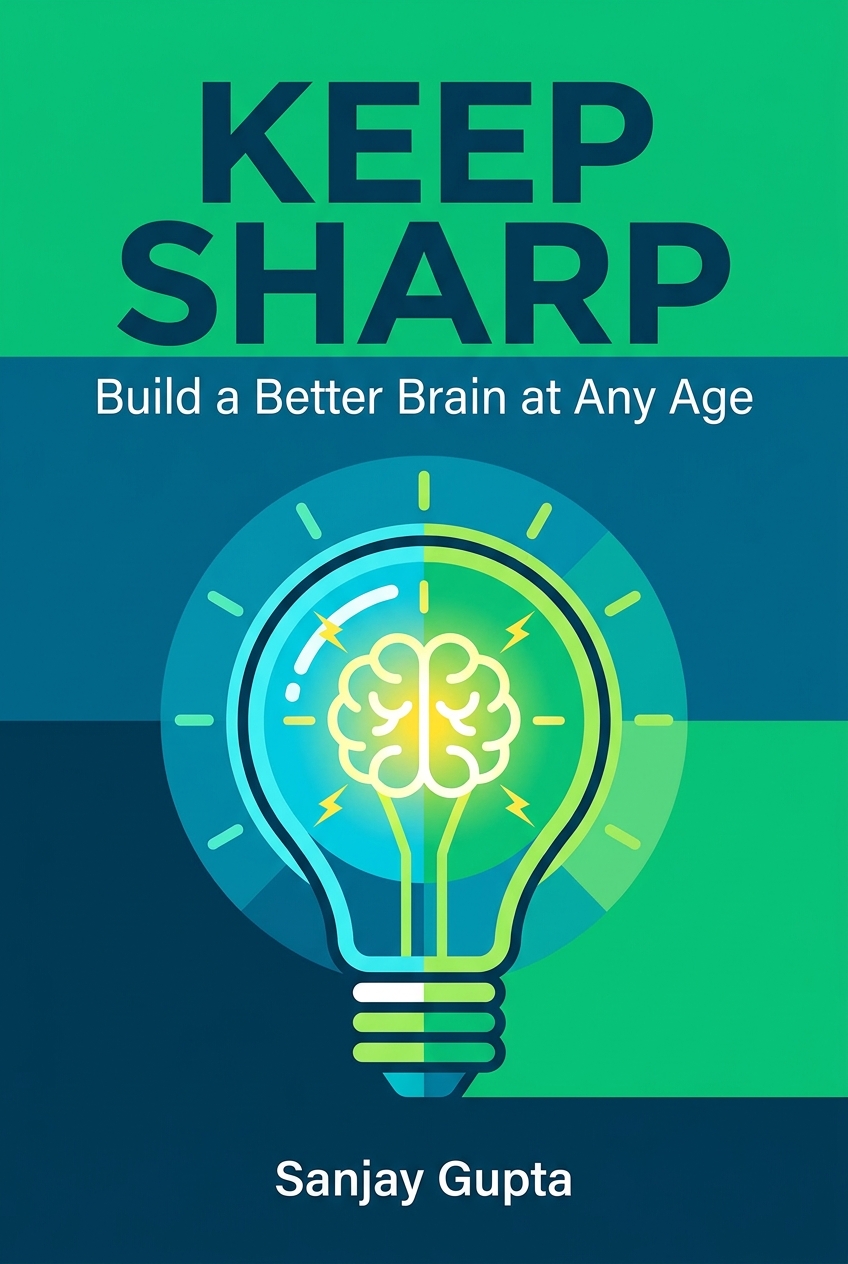
Keep Sharp
Learn the five pillars of brain health to protect your mind at any age.
- Your brain's health is largely within your control, regardless of age.
- Focus on five key areas: exercise, diet, rest, discovery, and connection.
- Simple, science-backed habits can enhance your memory and creativity for years.
Anyone wanting to proactively future-proof their brain against decline.
Learn the five pillars of brain health to protect your mind at any age.
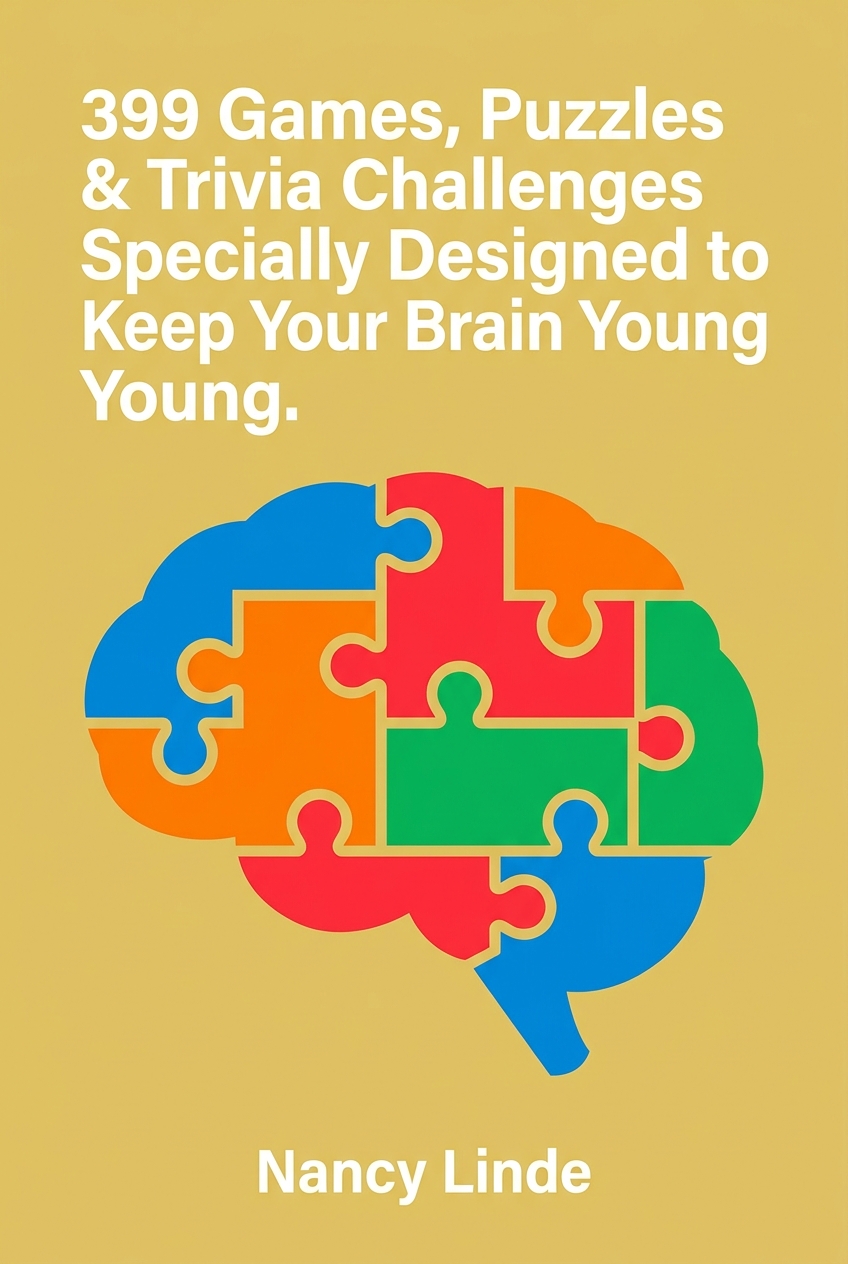
399 Games, Puzzles & Trivia Challenges Specially Designed to Keep Your Brain Young.
A fun, daily gym workout for your brain to keep it sharp, strong, and quick.
- Daily puzzles and games are an effective way to train cognitive functions.
- Different types of challenges specifically target focus or problem-solving.
- Keeping your mind engaged can help maintain strong mental agility as you age.
Adults looking for fun, daily brain exercises and engaging puzzles.
A fun, daily gym workout for your brain to keep it sharp, strong, and quick.
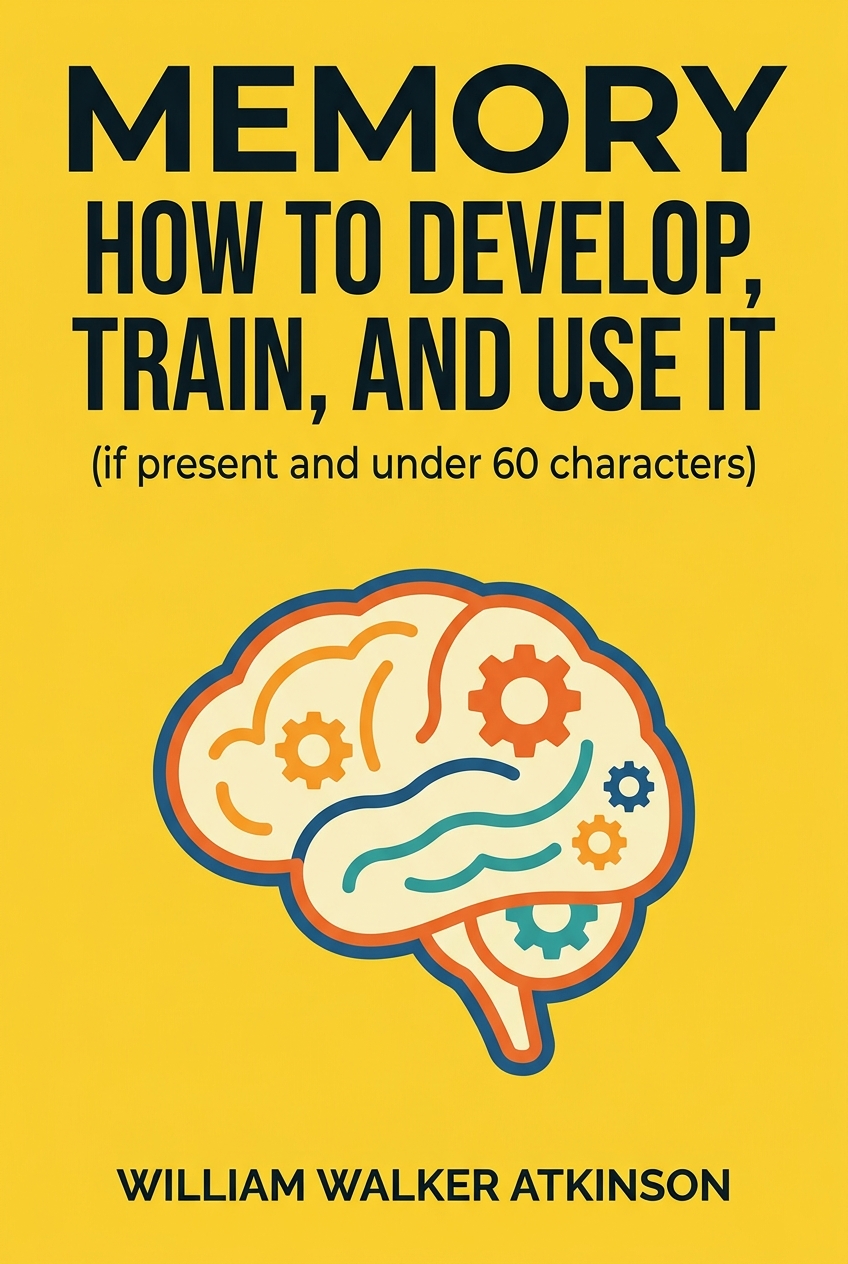
Memory How to Develop, Train, and Use It
Master timeless techniques to transform your mind into a tool for instant recall.
- Your mind can be organized like a mental filing system for easy recall.
- Practice specific exercises to remember names, faces, numbers, and facts.
- Consistent training can turn a scattered mind into a powerful memory bank.
Readers seeking classic, structured memory training and foundational methods.
Master timeless techniques to transform your mind into a tool for instant recall.
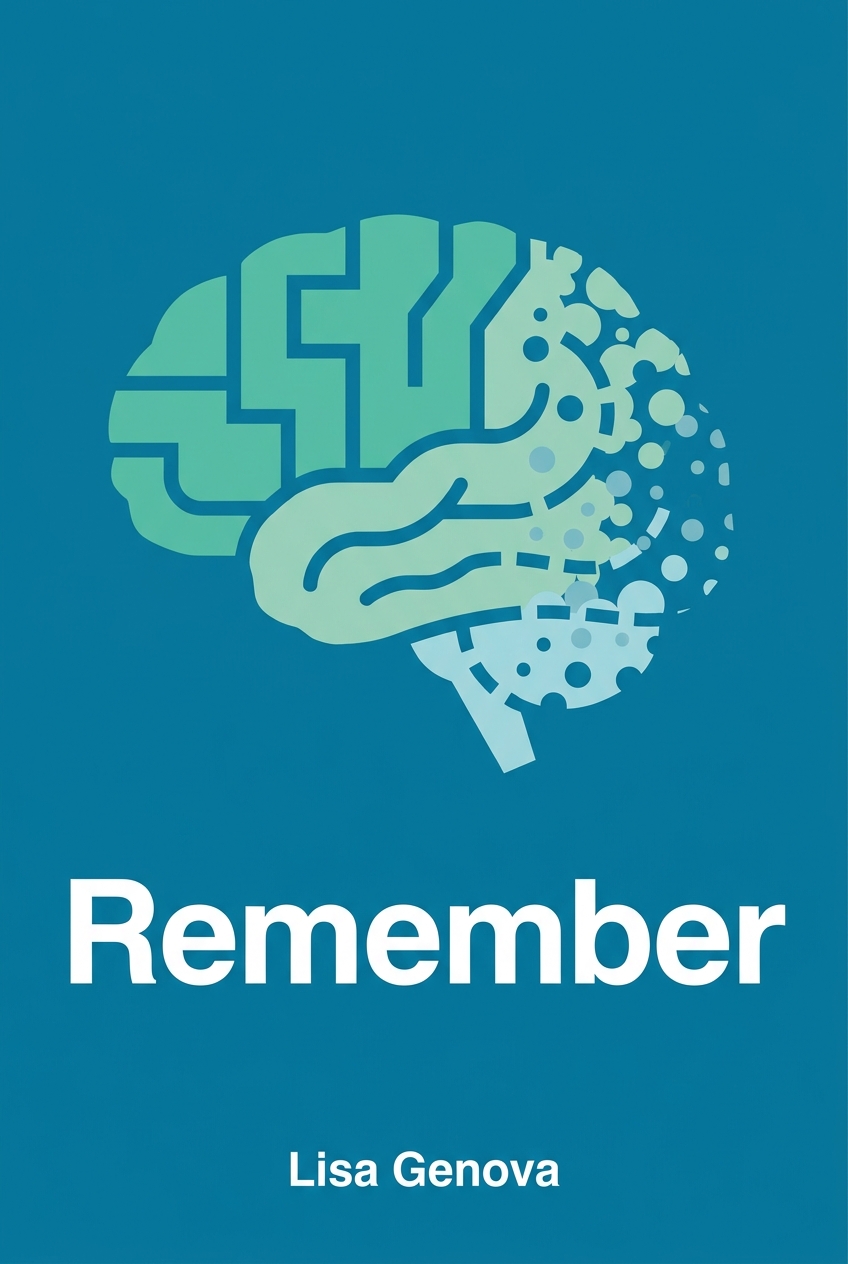
Remember
Separate memory myths from reality and learn why we forget what we forget.
- Much of what we consider 'forgetting' is normal and not a sign of failure.
- Attention is the key to creating strong, lasting memories; what isn't attended isn't remembered.
- Simple lifestyle changes related to sleep and stress can vastly improve memory.
Worriers anxious about normal forgetting who want scientific reassurance.
Separate memory myths from reality and learn why we forget what we forget.
The Memory Book
Unlock legendary memory master techniques to recall anything almost instantly.
- Use the Link System to create a story connecting items you need to remember.
- Master the Peg System to memorize lists in and out of order.
- Turn abstract information into vivid, unforgettable mental images.
Students & professionals needing to memorize large sets of information.
Unlock legendary memory master techniques to recall anything almost instantly.
The Fun and Easy Memory Activity Book for Adults
Boost your cognitive health with enjoyable and stress-free brain games.
- Brain training doesn't have to feel like a chore; it can be relaxing.
- Engaging puzzles are a gentle way to exercise your mind daily.
- A variety of activities helps keep your brain stimulated and agile.
Adults who prefer relaxing, low-stress cognitive challenges over intense drills.
Boost your cognitive health with enjoyable and stress-free brain games.
Memory Rescue
Discover a groundbreaking program to stop and even reverse memory loss.
- Memory loss is not inevitable and can often be reversed with the right plan.
- Identify and combat the 11 major risk factors that damage your brain.
- Targeted diet, exercise, and habits can dramatically improve brain function.
Individuals looking to reverse age-related memory loss an optimize brain health.
Discover a groundbreaking program to stop and even reverse memory loss.
Memory Games for Seniors
Sharpen your mind with 501 large-print puzzles designed for seniors.
- Consistent mental exercise is key to maintaining cognitive skills.
- A wide variety of puzzles keeps brain training exciting and effective.
- Large-print formatting makes activities accessible and easy to enjoy.
Seniors seeking entertaining, large-print puzzles to stay mentally active.
Sharpen your mind with 501 large-print puzzles designed for seniors.
Everyday Memory
Learn simple, powerful techniques to remember names, facts, and daily info.
- Create unforgettable mental images to lock in new information.
- Build a 'memory palace' to mentally store and retrieve anything you wish.
- Link new knowledge to things you already know for effortless recall.
Beginners wanting practical tricks to remember names, dates, and daily details.
Learn simple, powerful techniques to remember names, facts, and daily info.
Frequently Asked Questions
Memory improvement can feel hard because it's not a passive activity; it requires active effort and consistency. Many people don't use effective techniques, relying on rote repetition, which is inefficient. Building a better memory is a skill that requires learning and practicing new mental habits.
Start small by incorporating one or two memory improvement habits into your daily routine, like actively trying to recall someone's name after meeting them. Use fun tools like puzzle books or apps to make practice enjoyable. Linking memory exercises to existing habits, like practicing recall during your morning coffee, can also build consistency.
While some people may have a natural aptitude, a powerful memory is overwhelmingly a learned skill. The best books on memory demonstrate that anyone can significantly improve their recall by using proven techniques like visualization, association, and mnemonic devices. It’s less about innate talent and more about consistent, strategic practice.